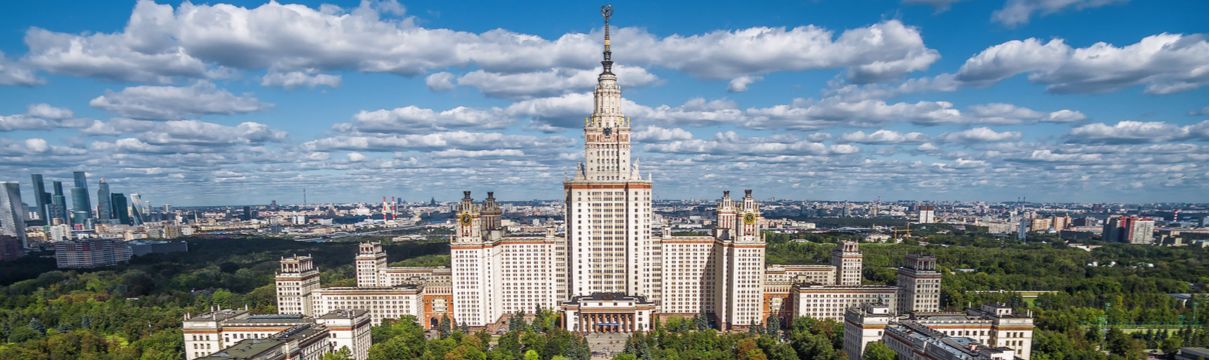
Lomonosov Mosaics
1. Revival of lost technology
Mosaic is a decorative art technique in which small pieces of stone, shells, glass, etc. of various colors are glued together to create figures and patterns. In Russia and other regions that inherited the traditions of the Orthodox Church from Byzantium, this mosaic technique has been used since ancient times to decorate palaces and churches. However, when Kiev, which was the center of mosaic painting at the time, fell into decline and the technique of fresco painting became widespread, the technique was completely lost in Russia.
It is not known at what point Lomonosov decided to revive the mosaic technique, but he must have seen the masterpieces of mosaic in St. Sophia Cathedral during his stay in Kiev, and he regularly took painting lessons in order to absorb Western art during his time studying in Germany, and even after returning to Russia he was actively involved in planning and creating decorations for celebratory events. These facts show that Lomonosov was intent on bringing about the development of Russia's unique culture not only in the fields of science, education, and literature, but also in the arts.
In the 18th century, when Lomonosov was active, Italy was the center of mosaic art in the world. In this land, which inherited the ancient Byzantine heritage, many sophisticated works were created by highly skilled craftsmen. In 1745, when Lomonosov visited a nobleman's mansion, he saw mosaics brought from Italy and was stunned by the magnificent technique. According to one theory, this was the direct motivation for him to aim to revive the mosaic technique. However, the road was not easy. At that time in Russia, the mosaic technique had been lost for a long time, and the Western technique was a closely guarded secret. Making full use of the knowledge of chemistry he had cultivated up to that point, Lomonosov wanted to produce his own colored glass and create original mosaics that would surpass those of Western Europe.
2. Colored glass production and factory establishment
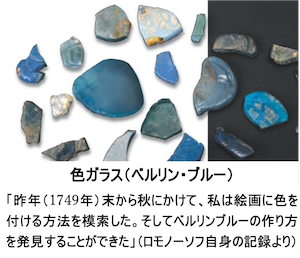
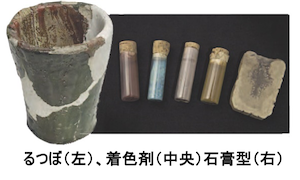
In 1752, he obtained a loan from the government and built a "colored glass factory" in the village of Ust-Ruzhitsa, near Oranienbaum, a suburb of St. Petersburg. He designed the factory's production lines and processes himself, and worked on designing machine tools and tools. In the same year, he completed his first work using the colored glass he had produced himself.
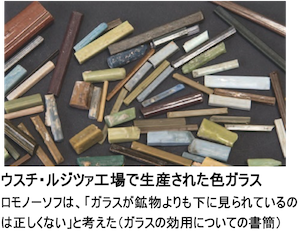
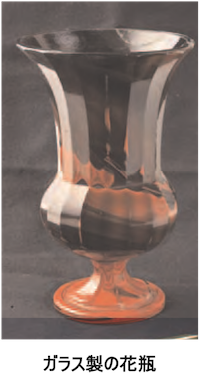
[1] The use of special agents to dye glass red has been known since ancient times, but producing a beautiful, translucent red glass has proven to be extremely difficult.
3. Works
Of the 40 mosaics produced by Lomonosov's mosaic workshop, 23 have survived to this day. Here are some of them.
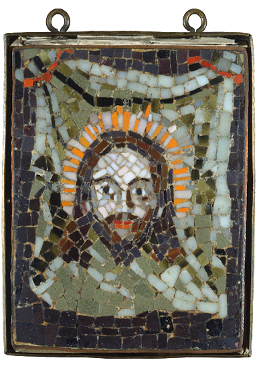
The icon of the Sacred Heart (1753)
This is one of the earliest works by Lomonosov himself. It is one of the motifs depicted in Orthodox icons.
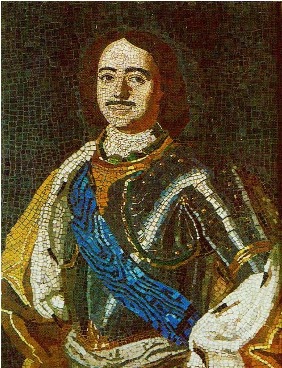
Portrait of Peter I (1754, Hermitage Museum)
Hermitage Museum. Lomonosov's mosaic workshop produced several portraits of Peter I. This mosaic was made by Lomonosov himself based on a painting by the German artist Tannauer and was presented to Empress Elizabeth upon completion. It shows a dramatic improvement in technique compared to his earlier works.
The majority of mosaics produced by the Lomonosov workshop are portraits, including many of his contemporaries.
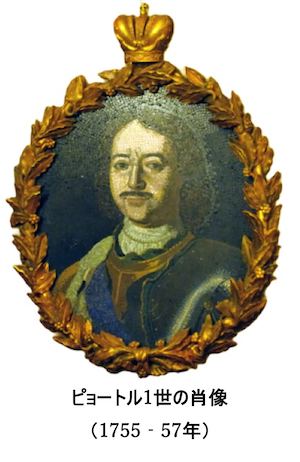
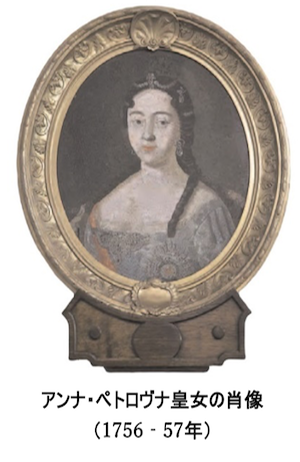
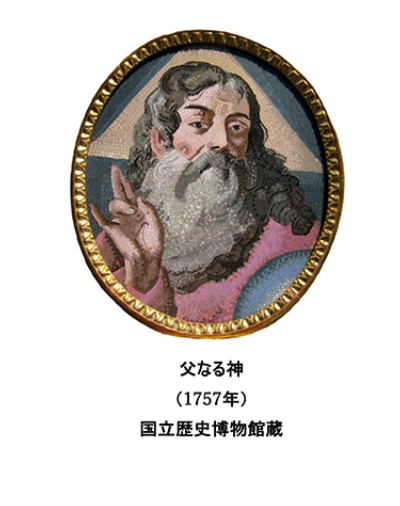
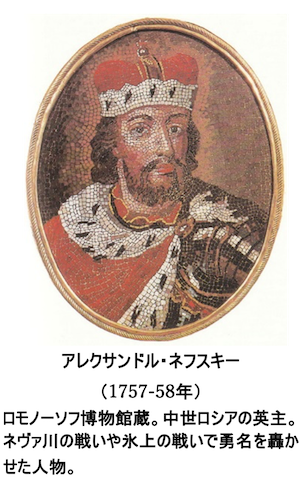
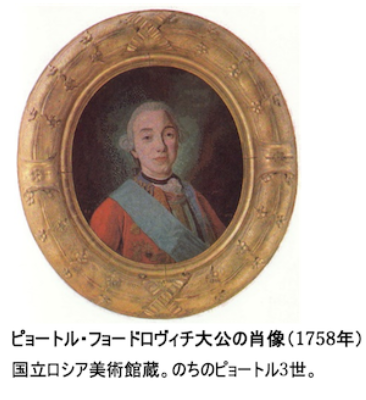
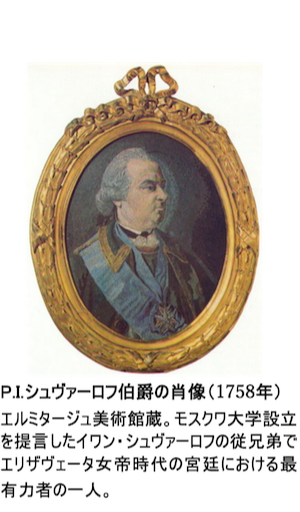
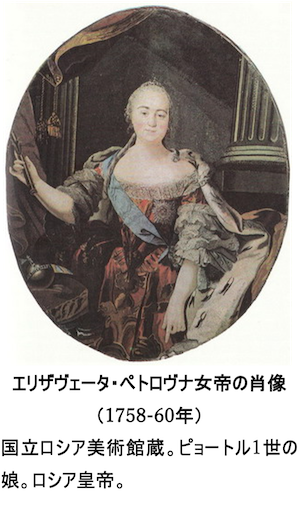
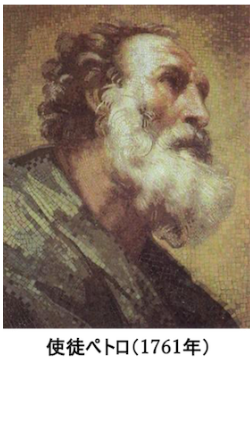
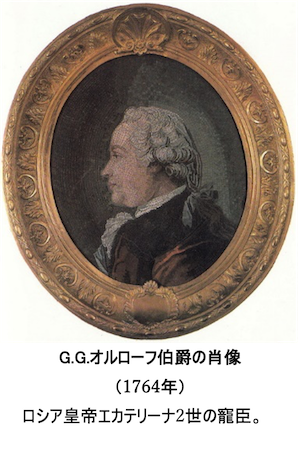
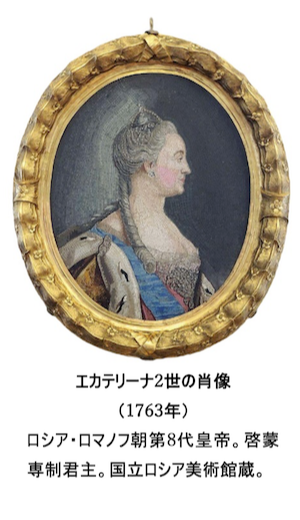
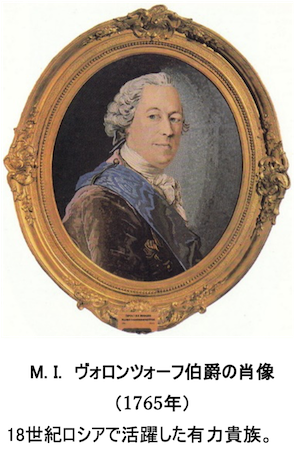
Lomonosov did not simply import and copy the excellent techniques of the West. He also did not choose to develop detailed depictions like oil painting, but instead insisted on establishing a "uniquely Russian" style of mosaic painting. Looking at his works, it seems that he consciously chose a simple, powerful, solemn and majestic style of expression rather than pursuing realism. His works, like his attitude toward academia and the education system, show his attempt to elevate Russian art to a new level while actively coming into contact with advanced foreign art. His incorporation of secular motifs, rather than just religious motifs, can also be seen as a manifestation of his consciousness. In recognition of his achievements in mosaic painting, Lomonosov was elected an honorary member of the newly established St. Petersburg Academy of Arts in 1763.
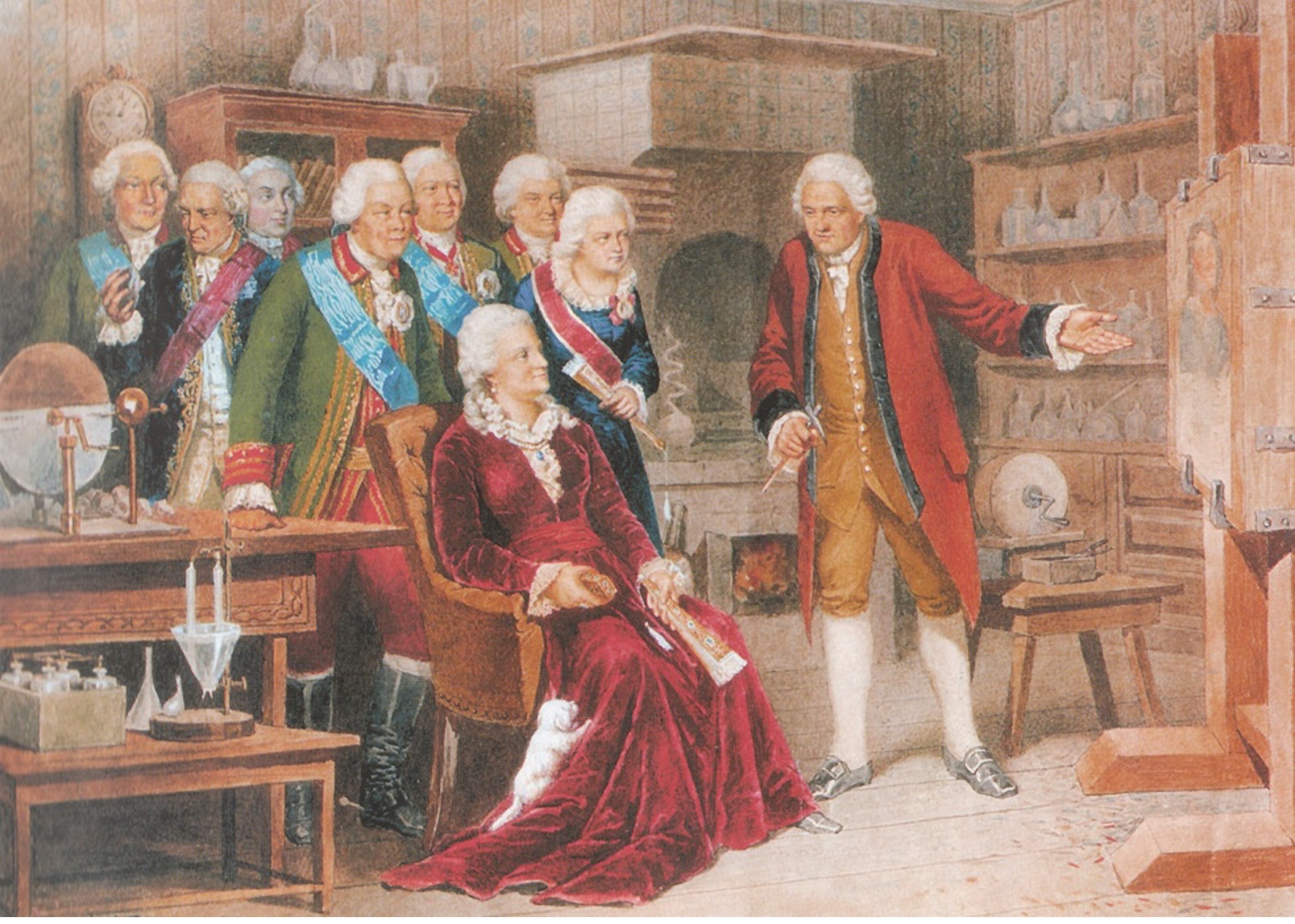
Lomonosov presenting mosaics to Catherine the Great
In June 1764, Russian Empress Catherine the Great visited Lomonosov's house. During the visit, Lomonosov showed her his mosaics and various devices, and demonstrated some of his experiments.
"Battle of Poltava" (1762-1764)
Mosaics are characterized by their excellent coloring, high decorativeness, and resistance to fading due to the small area exposed to light. Lomonosov wanted to imprint the memory of Peter I forever in the mosaics. He came up with a plan to decorate the Peter and Paul Cathedral, where Peter I rests, with mosaics. The walls of the cathedral would be decorated with 12 mosaics, and the columns would be decorated with mosaics. The north and south walls would be decorated with works themed on the Battle of Poltava and the Capture of Azov, and between the windows would be works themed on Peter's life. When completed, most of the cathedral would be filled with pictures of Peter I's deeds. The plan was approved by the government, and soon the work on the most important mosaic, the Battle of Poltava, began.
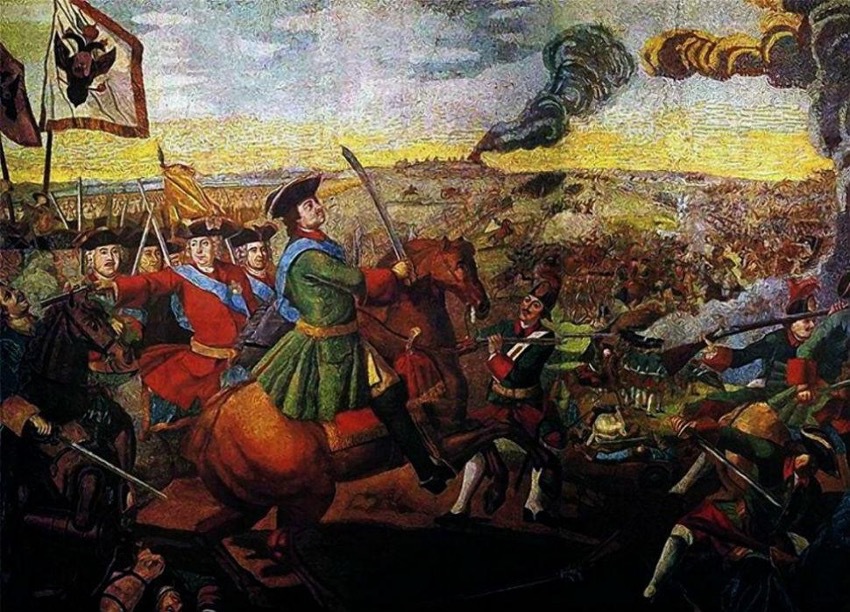
Battle of Poltava (1762-64)
The first large-format historical painting in Russian history. Lomonosov's masterpiece.
In December 1764, after about two and a half years, the first large-scale historical painting in Russian history, "The Battle of Poltava", was completed. Seven of Lomonosov's assistants participated in the production. The mosaic is 4.81 x 6.44 meters in size, weighs 8 tons in total, and uses more than one million pieces of colored glass. In the center, Peter I is depicted in vivid colors on horseback, bravely facing the enemy army without regard for his own personal danger.
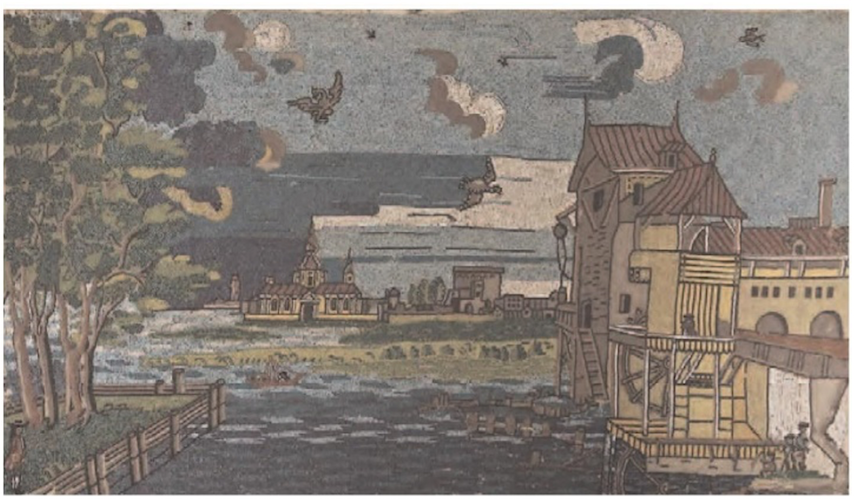
Bead panel "Lomonosov Workshop in Ust-Ruzhitsa"
Late 18th century. Glass beads, beads, embroidery. 43 x 78 cm
Meanwhile, the mosaic "Battle of Poltava" also had a strange fate. Lost to its original home, it was never hung and moved to seven temporary homes over a century and a half. It finally found a new home in 1925. As of 2021, Lomonosov's masterpiece "Battle of Poltava" hangs on the front staircase of the main building of the Russian Academy of Sciences, the temple of learning in St. Petersburg.
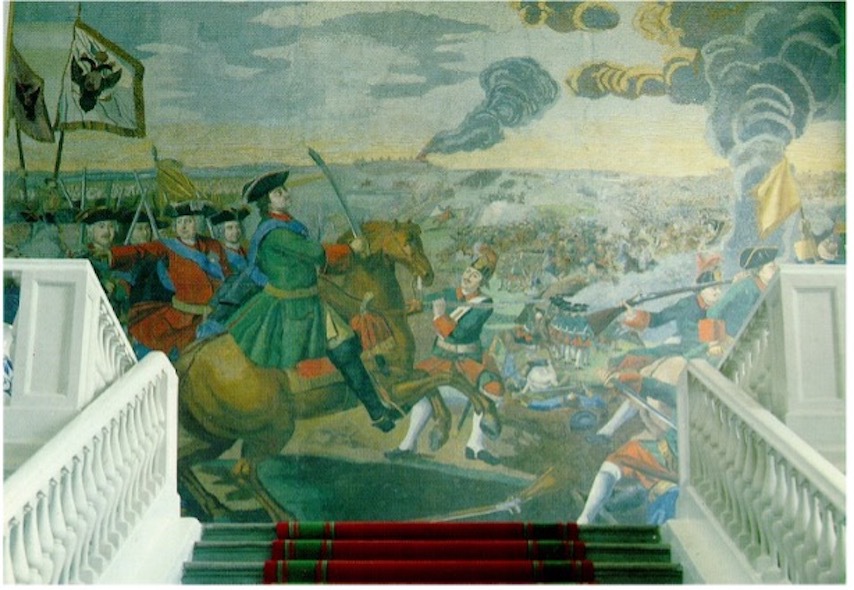
"Battle of Poltava" on the main staircase of the Academy of Sciences
<Main References>
Takashi Fujinuma, "Lomonosov's Mosaics," Comparative Literature Annual, No. 13, Waseda University Comparative Literature Lab, 1977, pp. 31-46
300-летию со дня рождения: поматериала м Музея М. В. Ломоносова. П.: Изд-во Петроний.