


The 5th Dialogue and Networking Meeting for Practitioners, Students, and Faculty Aiming to Achieve the SDGs was held under the theme of "Sustainable Town Development."
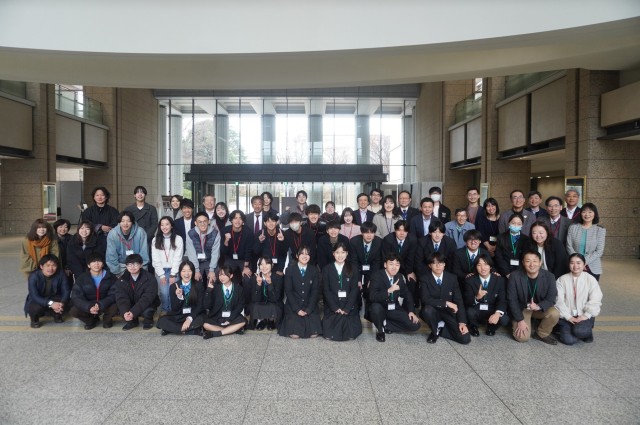
On Sunday, December 14, 2025, the "5th Dialogue and Networking Meeting between Practitioners, Students, and Faculty for the Achievement of the SDGs" was held at the Global Square of TUFS University. This time, under the theme of "sustainable town development", we invited nine experts and practitioners who are active on the front lines of environmental and sustainable business. In addition to research presentations and discussions by our students, about 20 students from Ikubunkan Global High School, a high-university collaborative school, also participated in the discussion of concrete actions to realize a sustainable society that transcends generational and organizational boundaries, and became a place for co-creation between industry, academia, and high school.
The purpose of this meeting is to engage in cross-disciplinary dialogue, such as receiving feedback from practitioners outside the university, on the activities and research related to the SDGs of our students, and to expand our human network and lead to the enhancement of research and activities. In addition, as in last year, about 20 high school students and teachers from Ikubunkan Global High School, one of the university's high school-university collaboration partners, participated as observers, and it was a place to deepen discussions on sustainable town development with a wider range of people, including high school students.
At the opening ceremony, Vice President Shunichi Ida, on behalf of the university, welcomed all the participants and explained the significance of the SDGs as a pillar of the university's medium- to long-term plan "Soka University Grand Design 2021-2030" and explained the importance of this meeting.
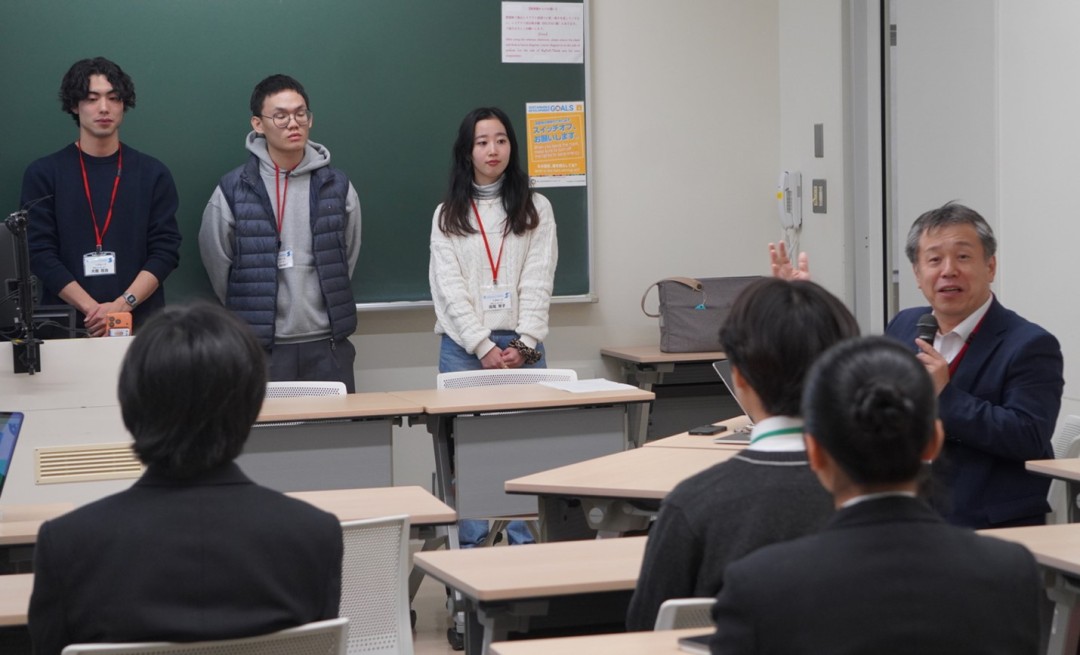
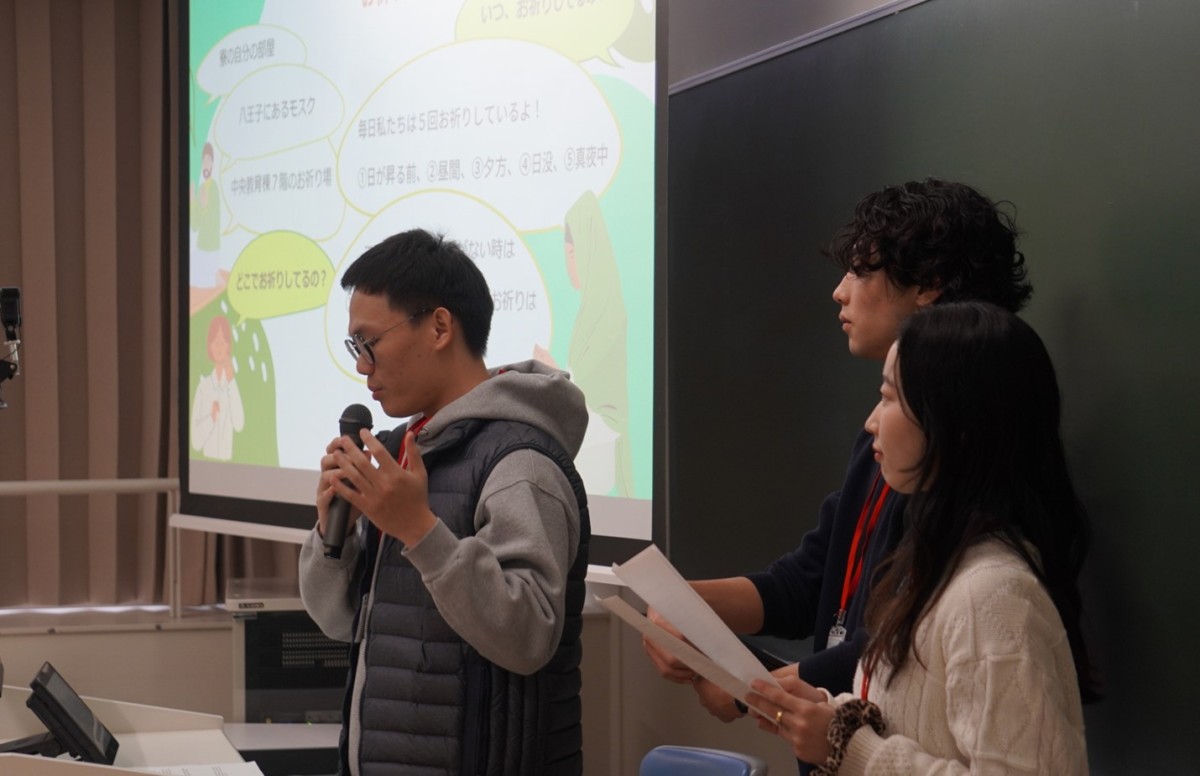
Next, the moderator, Professor Mitsuko Chikasada (Faculty of Economics), introduced the participants and gave an overview of the meeting, emphasizing that the results of this meeting and the activities of the students will make a significant contribution to the achievement of the SDGs as a university. After that, we were divided into the following five research groups, where presentations by students and discussions with practitioners were held, and there was a lively exchange of opinions aimed at improving the activities.
■Student Presentation Theme
・Aiming for a Multicultural Campus ~Building a Muslim-Friendly University~
・Research on reducing electricity consumption at Soka University
・Libraries created by everyone: Private public practice
・Visualization of PET bottle recycling at Soka University
・Realization of odorless composting aimed at the widespread spread of composting
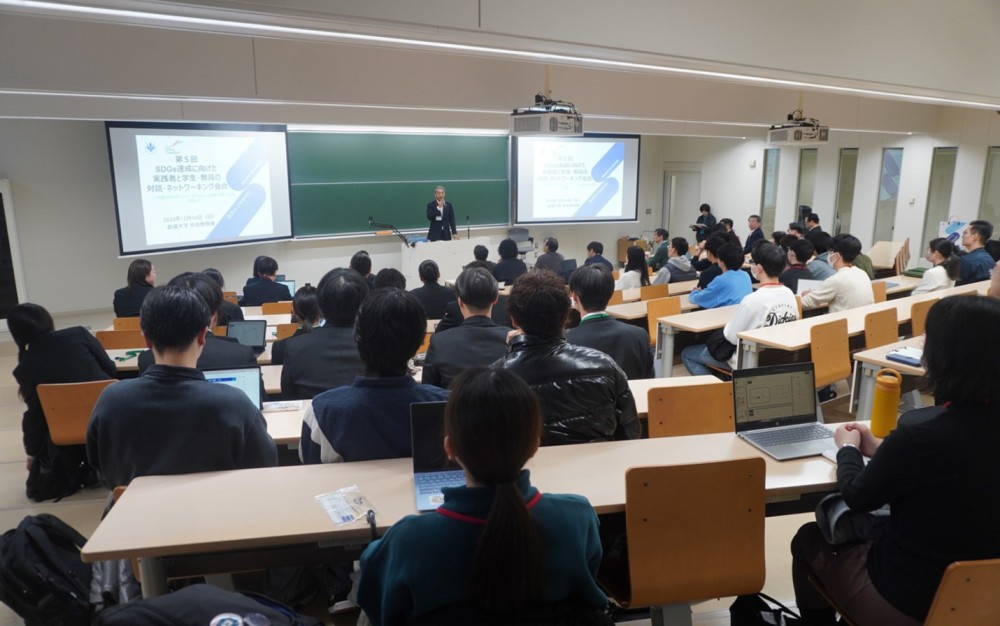
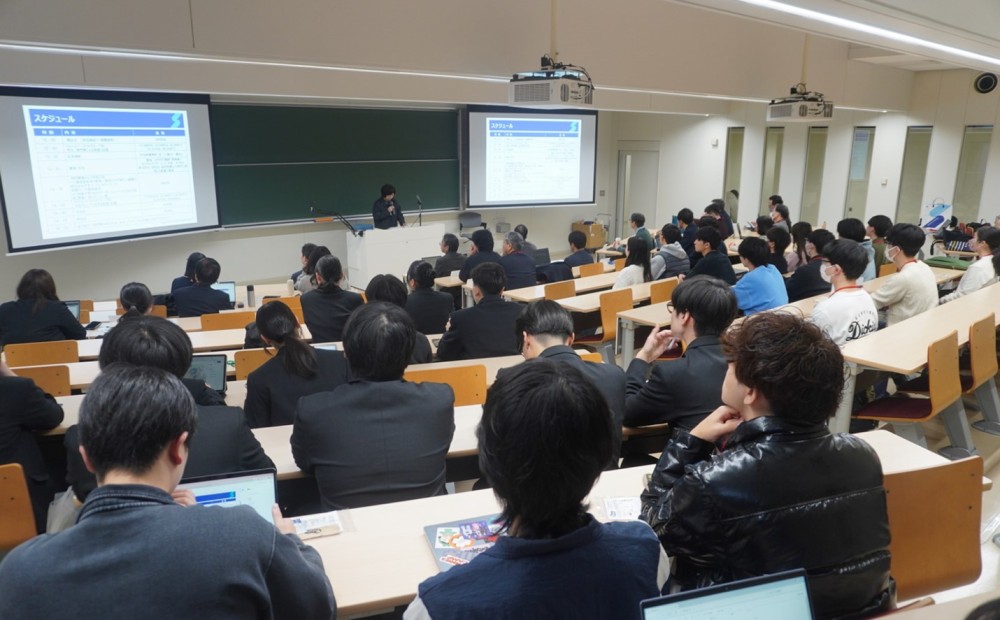
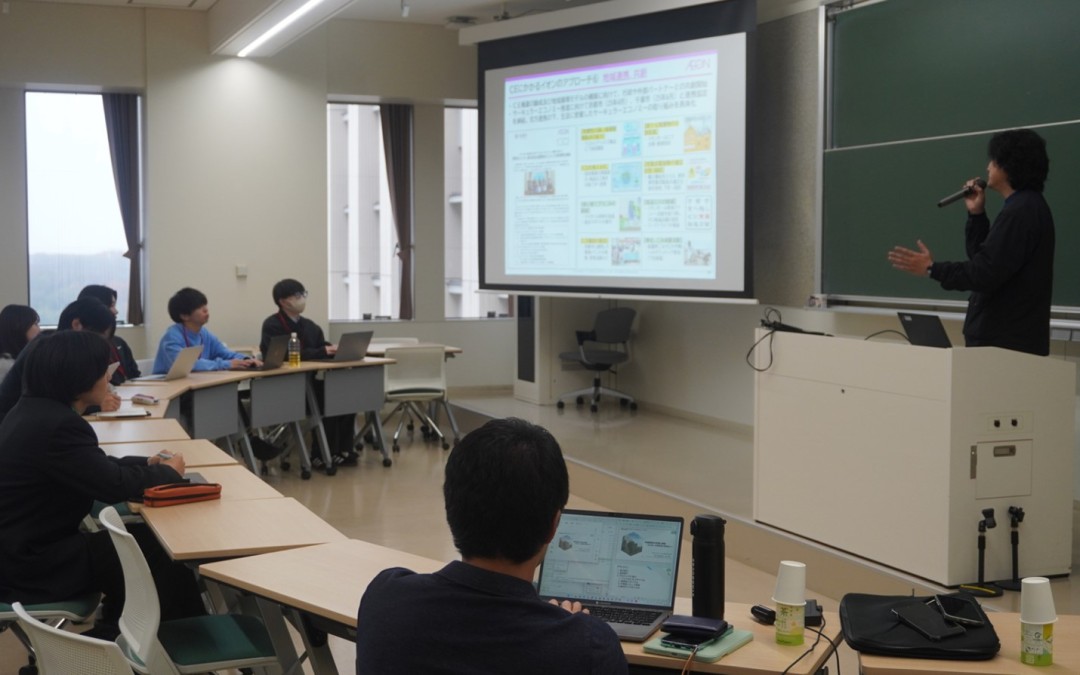
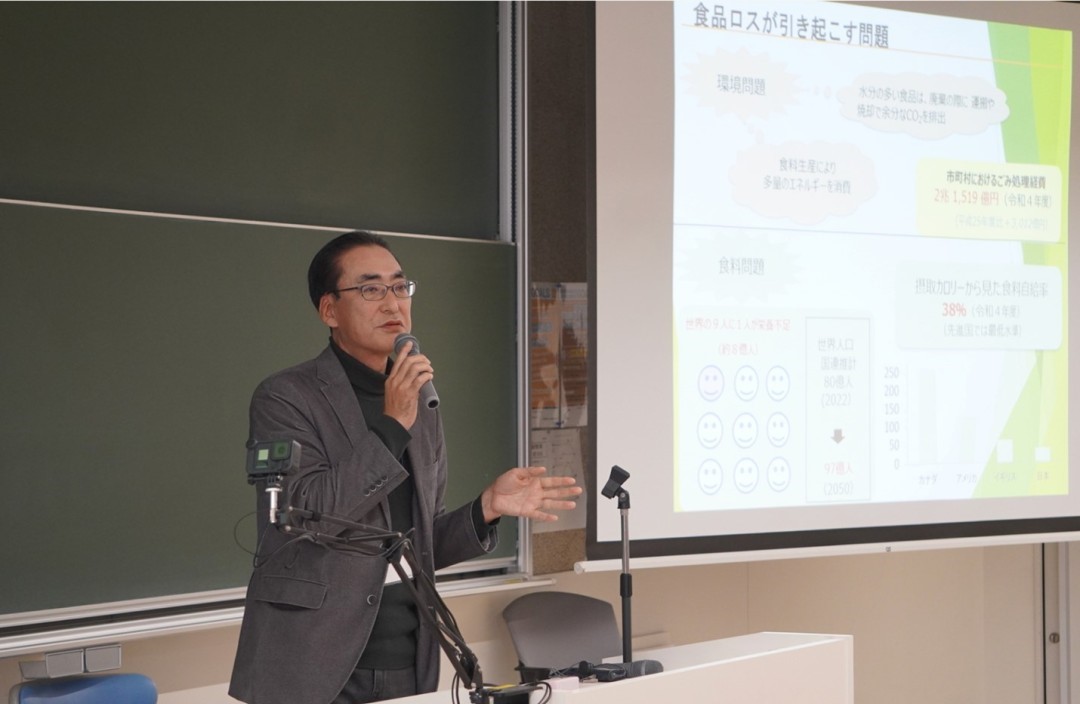
Two special lectures were held at the beginning of the afternoon session. Koichi Takahashi, Representative Director of Japan Food Ecology Center, Inc., gave a lecture titled "Practicing a Circular Economy: Creating New Value from Food Waste," in which he talked about how he has created new value from the issue of food waste, implemented a food recycling model project, and how it can contribute to the sustainable development of local communities.
After that, Professor Faculty of Economics Michiyo Kakegawa, Director of the SDGs Promotion Center at Soka University, gave a presentation titled "Soka University's Efforts and Prospects for Carbon Neutrality by 2050", sharing the current status of greenhouse gas emissions at Soka University and the progress of efforts since last year, and discussing future initiatives in SCOPE 1, 2, and 3 for carbon neutrality by 2050. There was a presentation on related education. In particular, he discussed the reduction of CO2 emissions from the purchase of SCOPE 3 services and goods, and the need for students and faculty and staff to work together to create a resource recycling system and reduce waste. These two lectures provided lively questions and suggestions from the participants, providing a meaningful exchange of opinions with the speakers.
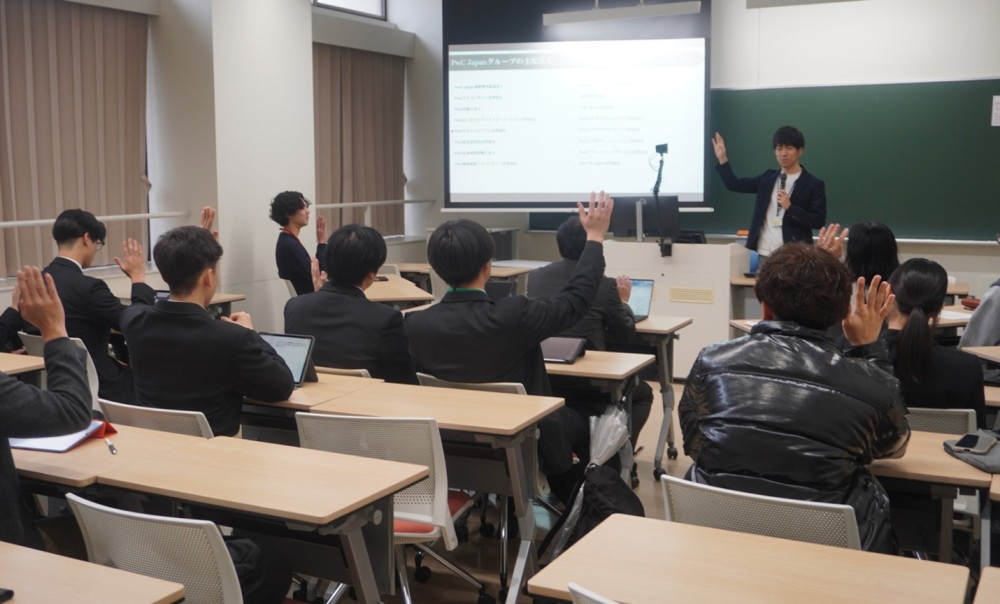
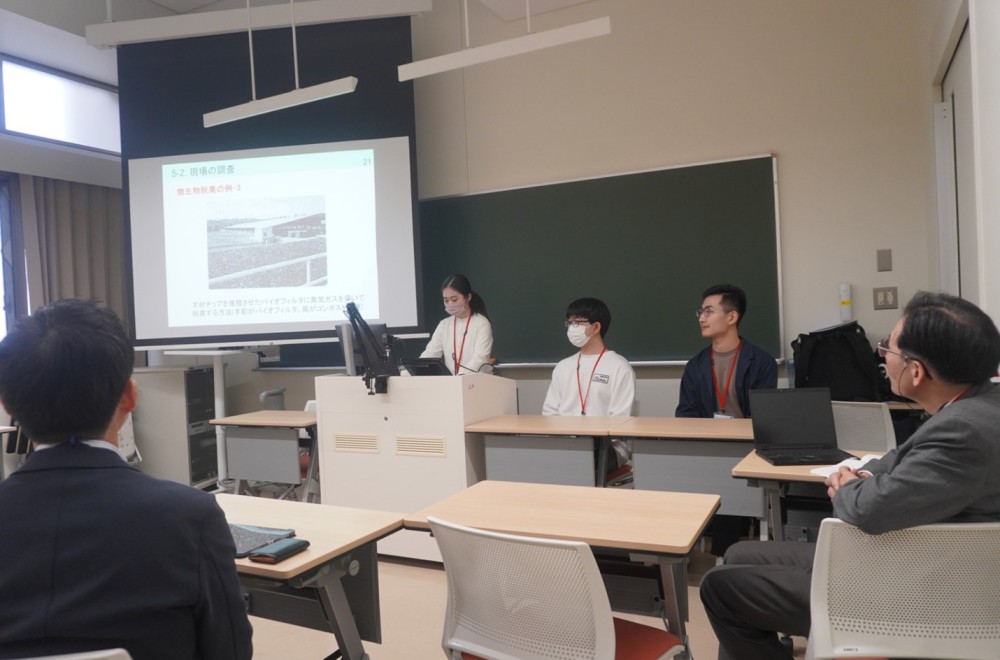
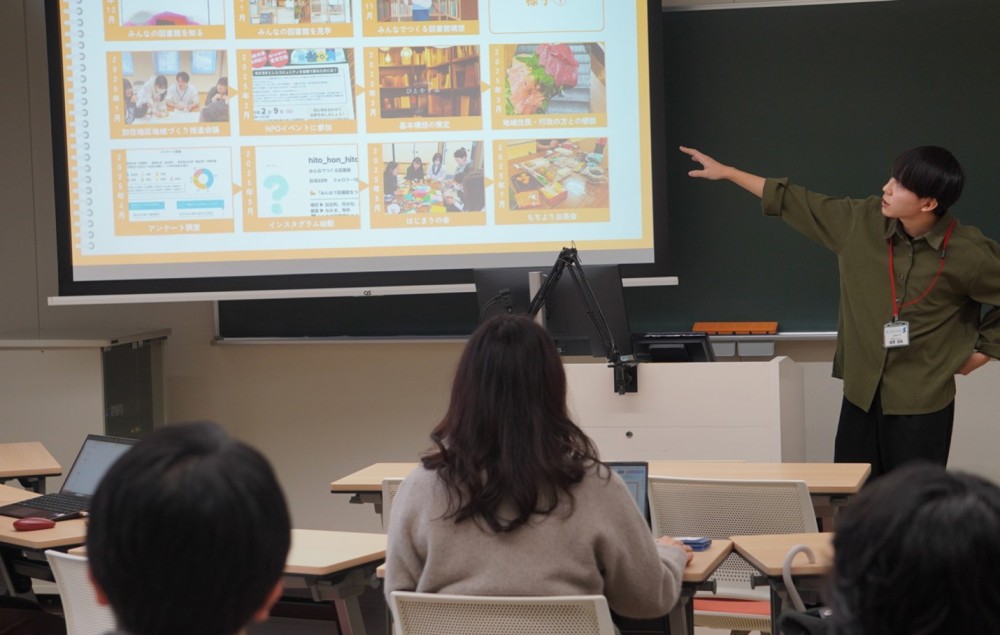
Next, the students split into groups based on themes and engaged in further exchanges of opinions with different experts from the morning session, engaging in lively discussions aimed at resolving the issues. A networking event was also held for all participants, during which not only did students from our university and the experts have a dialogue, but the participating high school students also posed questions about their future studies and careers to the students and experts, resulting in a lively exchange of opinions and interaction. At the closing ceremony, all the experts provided feedback.
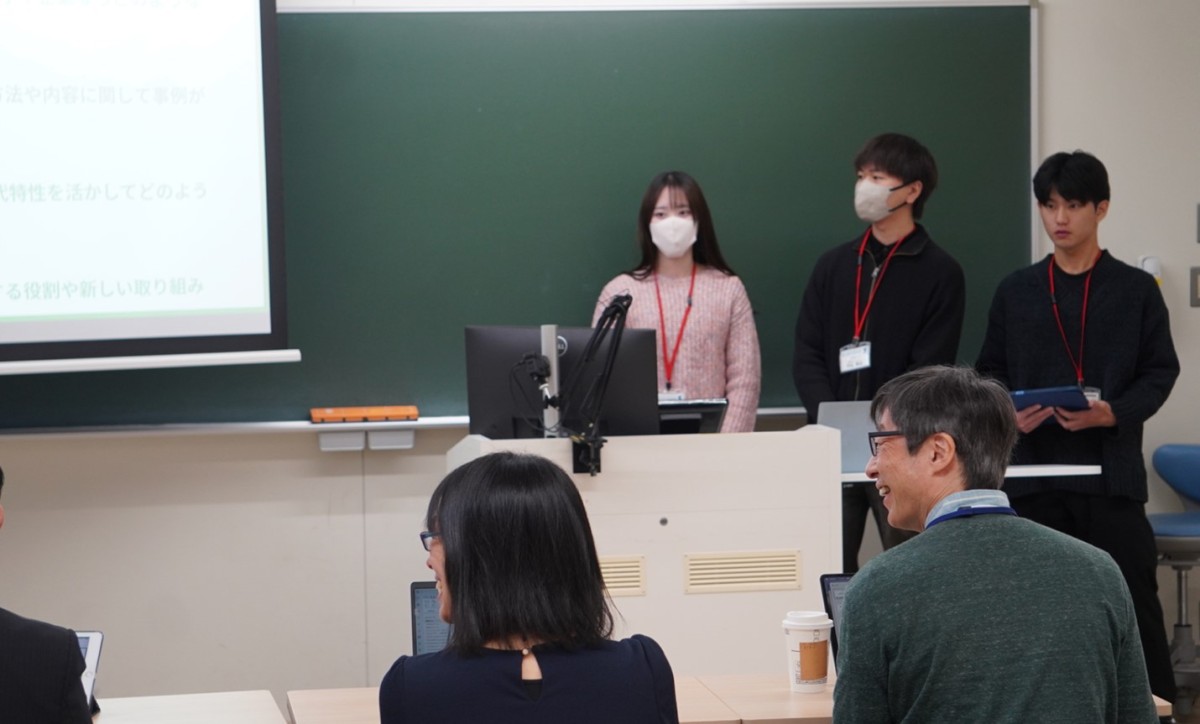
The Director of the Kakegawa SDGs Promotion Center, who was in charge of the meeting, said, "This time, the meeting was held on the broad theme of 'sustainable town development,' and presentations were made by people from different faculties about research and activities that can contribute to town development from a variety of perspectives, which led to more in-depth discussions. In addition, as with last year, we had many high school students participate, which made it a more lively exchange of opinions, including among high school students. We hope that our students will take the lead in connecting high school students with experts from outside the university, and that we can all work together to contribute to sustainable town development. In addition, the experts have high expectations for the research activities conducted by our students, so we will continue to work hard, making use of the advice we received, to ensure that these research activities are implemented in society."
The following comments were received from participating students:
・Students, faculty, and corporate practitioners sat around the same table and were able to discuss on an equal footing. By coming into contact with perspectives different from my own, I was able to deepen my understanding of the SDGs and gain new perspectives.
・Through the lectures and dialogues, we were reminded that the SDGs are issues that are directly connected to our activities and lives. It was also an opportunity to think concretely about "what I can do."
・It was a valuable opportunity to connect with experts and practitioners, as well as students from other faculties, with whom I would not normally have contact. I hope to continue collaborating and interacting in various ways in the future, not just at this event.