


Professor Ichiro Sugimoto of the Faculty of International Liberal Arts Delivers Invited Lecture at the University of Malaya’s Ungku Aziz Centre “Distinguished Lecture Series”
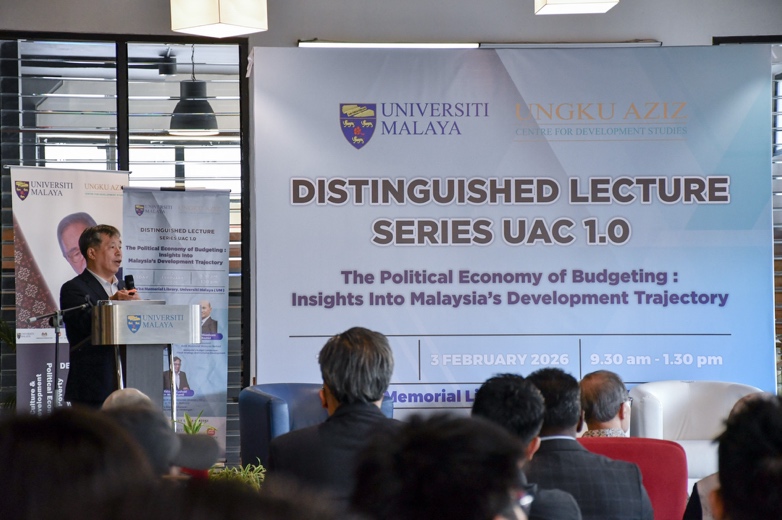
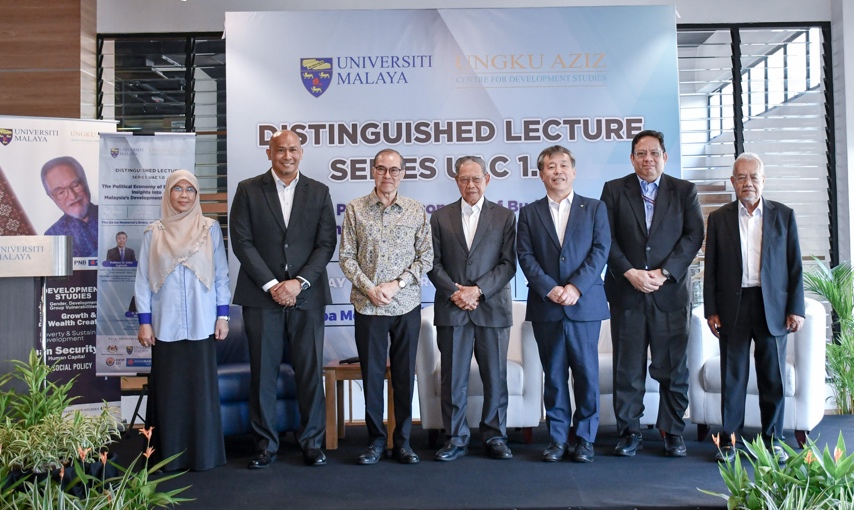
Professor Ichiro Sugimoto of the Faculty of International Liberal Arts delivered an invited lecture on February 3 at the “Distinguished Lecture Series UAC 1.0,” a special lecture event hosted by the Ungku Aziz Centre (UAC) at the University of Malaya. The venue, the Za'ba Memorial Library, welcomed not only university members but also a wide range of participants from government, finance, and other sectors. During the session, lively and substantive discussions took place from professional perspectives in response to Professor Sugimoto’s insights, which analyze Malaysia’s development through the distinctive lens of the “political economy of budgeting.”
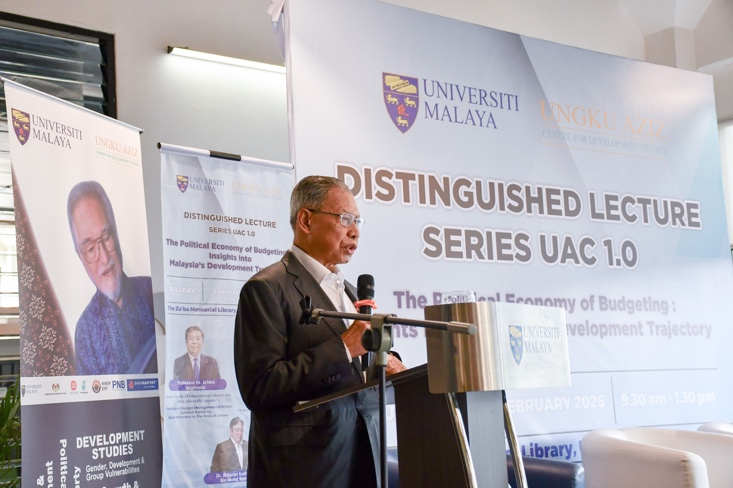
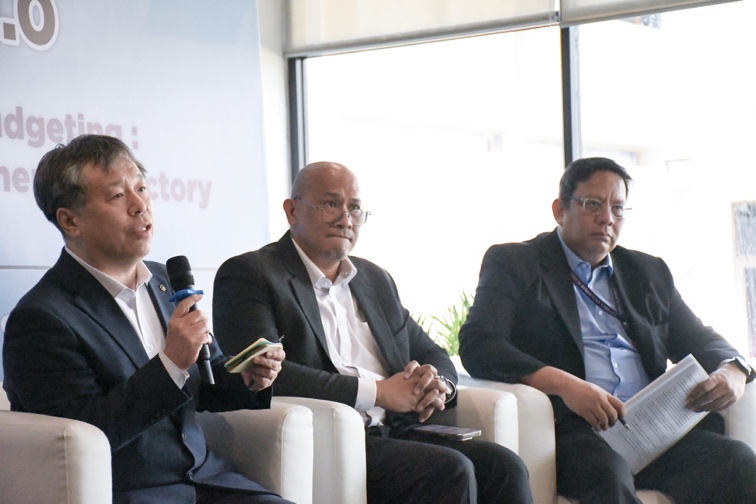
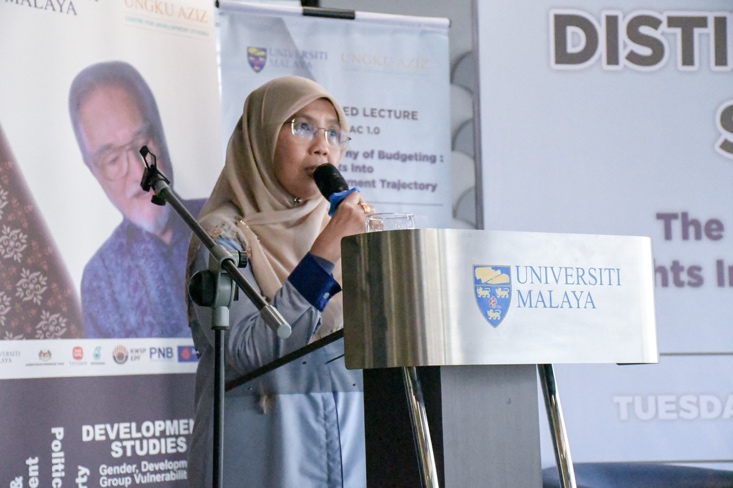
The theme of the event was “The Political Economy of Budgeting: Insights into Malaysia’s Development Trajectory.” It was organized as an opportunity to examine, from multiple angles, how the design and operation of fiscal and budgetary institutions have been linked to socio-economic change and policy choices over time. At the beginning of the program, UAC Advisor and former Minister of Finance, Mr. Mustapa Mohamad, explained the objectives and significance of the lecture series. This was followed by presentations from three perspectives—academia, the banking sector, and the Ministry of Finance—highlighting both differences in viewpoints and shared challenges surrounding the budgeting process.
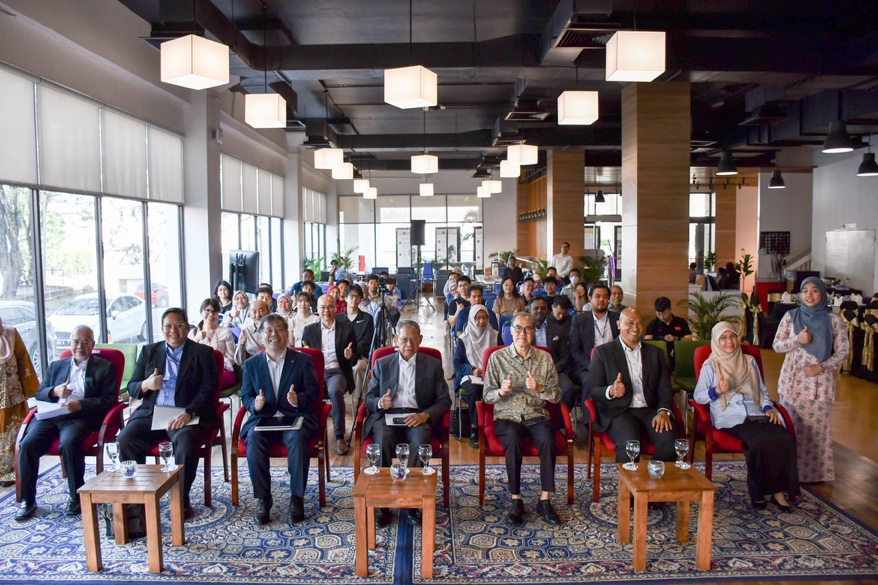
Professor Sugimoto presented a lecture titled “The Origin of Budget Management of British Colonial Authority, Special Reference to the State of Johore.” Focusing on the establishment and implementation of budget management in British Malaya, he showed how institutions took shape through the interplay of administrative governance, political negotiation, and the structure of the local economy. Using Johore as a case study, he further illuminated key characteristics of colonial public finance and administration. The program proceeded from opening remarks to the lecture, a question-and-answer session, and closing reflections, during which the dialogue with participants helped deepen the key issues. A commemorative photo session was also held after the event, reaffirming the lecture’s value as a meaningful occasion for academic exchange.
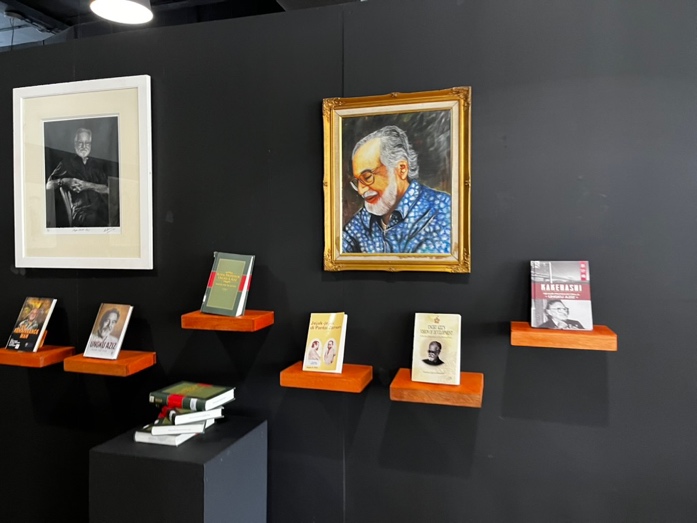
Reflecting on the lecture, Professor Sugimoto commented: “In 1988, when our founder, Mr. Daisaku Ikeda, visited the University of Malaya, he forged a deep friendship with then Deputy Vice-Chancellor Professor Ungku Aziz, which marked the beginning of academic exchange between our two universities. During my graduate studies at the University of Malaya, Professor Ungku Aziz kindly offered me direct academic advice and encouragement on many occasions. I am truly grateful to have had the opportunity, as a faculty member of Soka University, to share my research at this Centre bearing his name, in recognition of his dedicated contributions to Malaysia’s development and poverty reduction.”
Faculty Information

Professor
Ichiro Sugimoto
- Specialized Field
Quantitative economic history (historical economic statistical estimation and empirical analysis), Southeast Asian economic history (British colonial period: Singapore, Malaya, Burma)
- Research theme
Long-term historical economic statistical estimation and empirical analysis in Southeast Asian countries