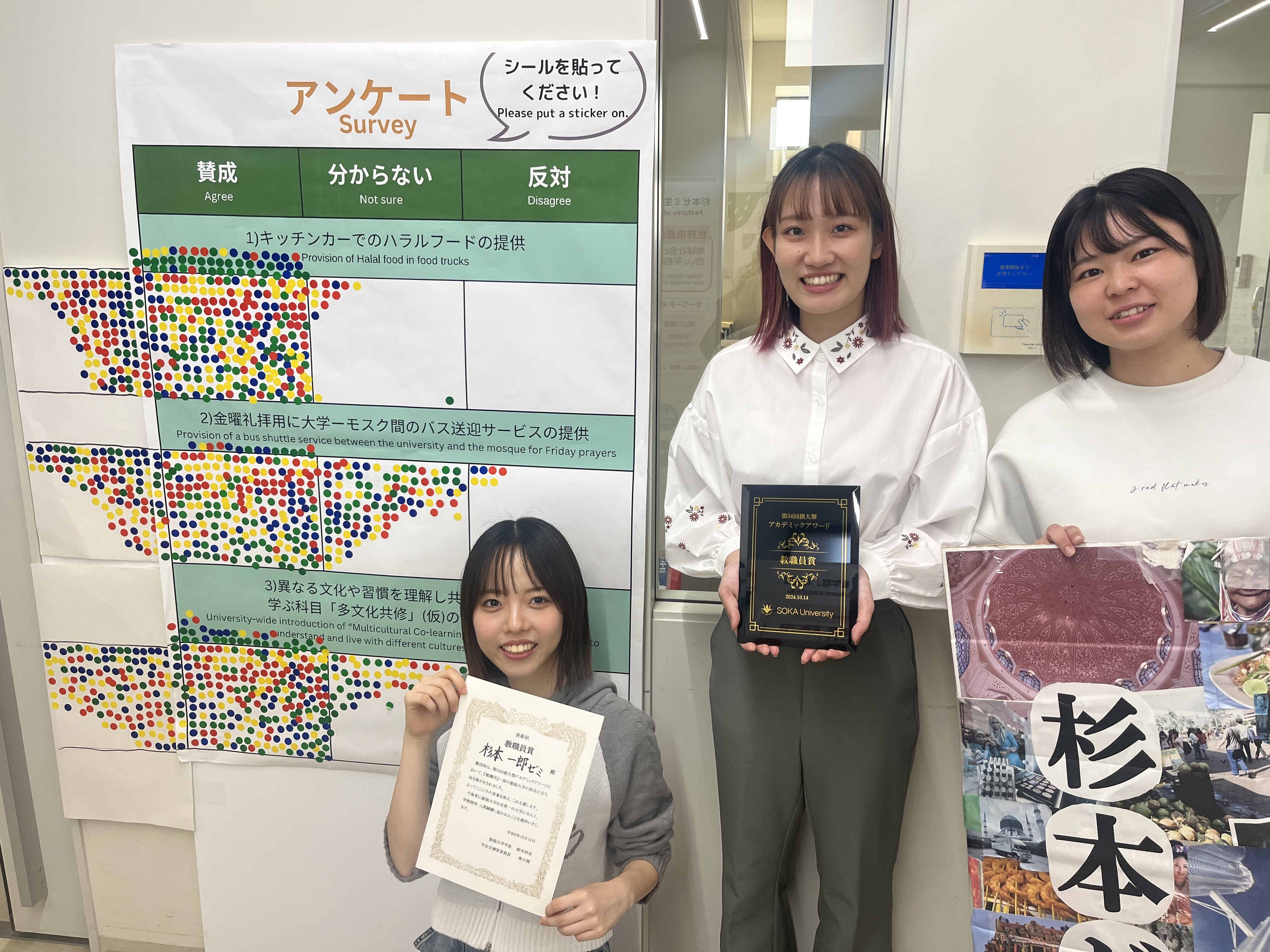


Spreading Swahili and African culture: The history of friendship woven by the Pan-African Friendship Association
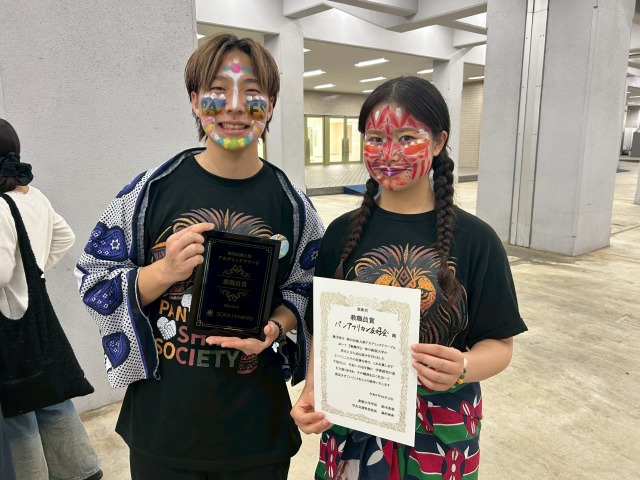
Yurika Yoshida Faculty of Law Department of Law 2 years
Hidebu Sasaki Faculty of International Liberal Arts Department of International Liberal Arts 2 years
At the World Swahili Day Commemorative Ceremony held at the Osaka-Kansai Expo in July of this year, Soka University was presented with a certificate and trophy in recognition of its contributions to the promotion of Swahili. Our university's student Pan-African Friendship Association has been working hard to promote Swahili and its culture for many years, including hosting the annual Soka University Founder's Cup Swahili Speech Contest. We spoke with Yurika Yoshida, current director of the Pan-African Friendship Association, and Hidenobu Sasaki, executive committee chairman of the Swahili Speech Contest, about the association's activities, traditions, and their thoughts on the contest.
Please tell us about the Pan African Friendship Association's activities, number of members, history, etc.
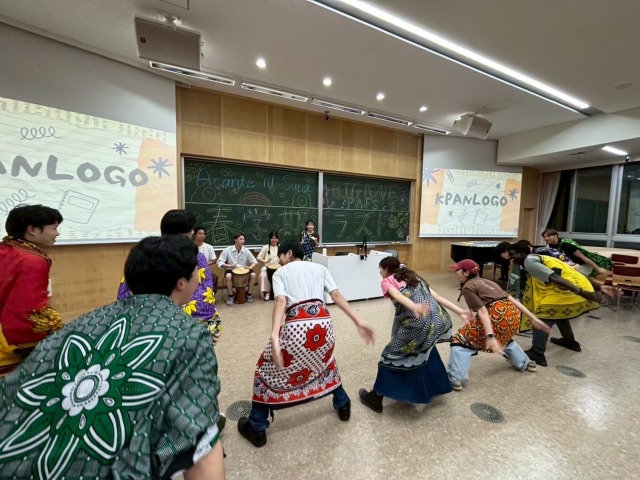
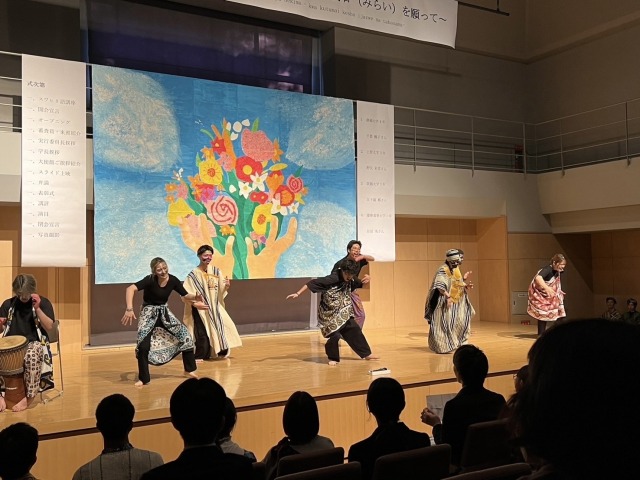
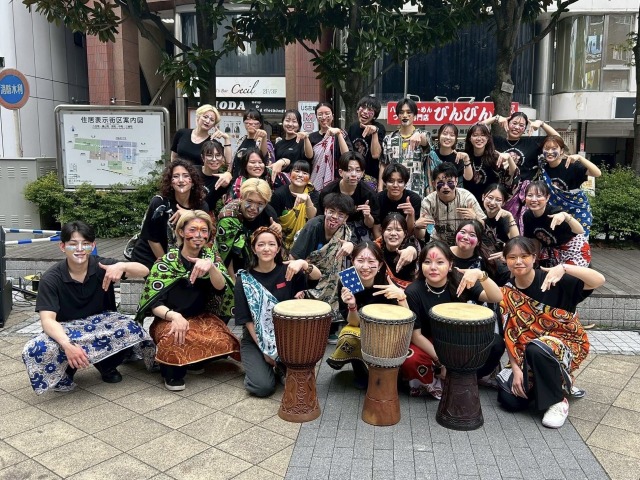
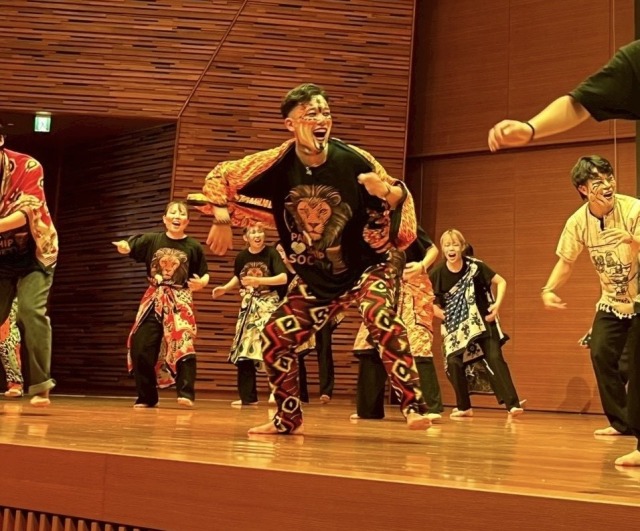
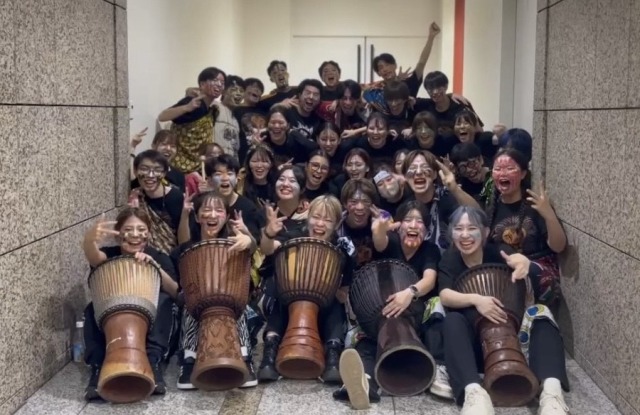
Based on the founder's words "The 21st century is the African century" and the Founding Spirit, the Yoshida Pan African Friendship Association aims to carry out various activities to deepen friendship between Africa and Japan. Currently, there are 95 members of the club, and they are exposed to African music and movies in the club twice a week, and they have group discussions on the theme of the latest news, deepening their learning on the theme of African culture and history. In addition, we are engaged in activities to build friendship with Africa through various events, such as planning and managing Swahili speech contests and performing songs and dances at the Sodai Festival.
The club will celebrate its 50th anniversary next year, and in the past, members of the association have played a role in welcoming the association during a conversation between Nelson Mandela, former president of South Africa, and Kenyan environmental activist Wangari Maathai and founder Dr. Ikeda.
Why did you both join the Pan African Friendship Society?
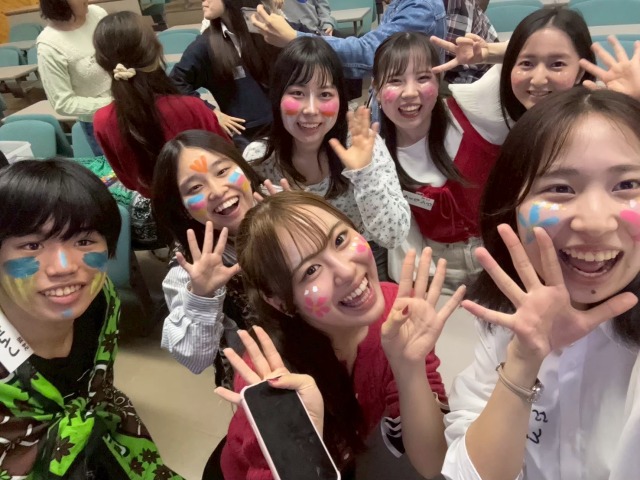
Yoshida: I decided to join the club after meeting an international student from Bangladesh. Listening to her talk about her home country made me want to think seriously about human rights and human dignity, so I was looking for a place where I could study with people who shared the same concerns. The Pan-African Friendship Society not only offers time for serious study, but also fun and rewarding events, and I felt it had an appeal that other clubs didn't have, so I joined.
Sasaki: Ever since I was in junior high school, I've been interested in poverty alleviation and refugee support in developing countries, and my desire to experience learning about Africa through various activities during my university life grew stronger, so I decided to join the Pan-African Friendship Society after being introduced to it by an acquaintance. Some members, like me, are interested in issues like poverty and refugees, while others joined because they were attracted to the music and dance performed at the Soka University Festival. I think the appeal of this society is that it has members with such a wide variety of interests.
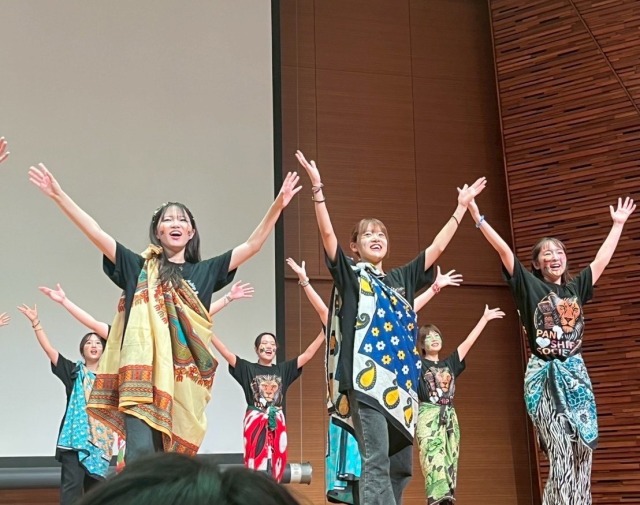
What kind of contest is the Soka University Founder's Cup Swahili Speech Contest, which is celebrating its 35th anniversary this year?
Sasaki: The Pan-African Friendship Association is hosting a competition in which Swahili speakers are invited from all over the country to give speeches on a specific theme.
Swahili, spoken in East African countries, is an influential language on the African continent, and has even been designated an official language by the African Union. The contest brings together speakers from a variety of backgrounds, including students studying Swahili at Soka University and other universities, people who have studied abroad in Africa, and people with an interest in Africa. Furthermore, ambassadors from Swahili-speaking countries will be invited to serve as judges, making this a major event that extends beyond Soka University. This year's theme is "You and Africa, Wewe na Afrika." All club members are currently working together to prepare for the event, which will be held on November 30th.
Yoshida: Some say that the development of translation apps and AI has reduced the need to learn foreign languages, but I believe that we humans can share our thoughts and values with each other through direct person-to-person interaction. I hope that the speech contest will serve as a forum for sharing Swahili and African culture and values, bringing together speakers, embassies, guests, PAN-African club members, and visitors, and deepening intercultural understanding.
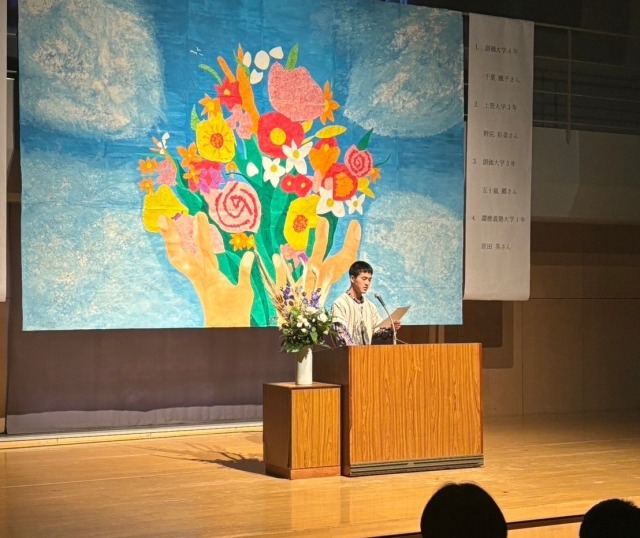
How did you feel when your efforts in the contest were recognized and you were awarded at the World Swahili Language Day Commemorative Ceremony at the Osaka-Kansai Expo?
We felt great joy that the activities of the Pan-African Friendship Association, which Yoshida and his predecessors have built up, have been recognized in this way by Swahili-speaking countries. The speech contest has been able to continue for over 30 years because of the aspirations of our predecessors to "become a bridge between Africa and Japan" and their passionate feelings for Africa. We feel that the annual speech contest is not just an event, but the culmination of that history and aspirations. It is a moment when the efforts and passion of many people came to fruition, and we ourselves are proud to have been recognized as a part of that. It has further strengthened our resolve to continue this activity into the future.
I am very pleased that
the Sasaki-kai's long-standing activities have been recognized. One of the attractions of the Pan-African Friendship Association is the strong ties with alumni, and when I was approached by someone who told me that he was the executive committee chairman of a speech contest 20 years ago, I really felt the long history of the association. Many of our members are currently working in Africa, and I believe that the presence of people who continue to cherish their passion for Africa even after graduating is an encouragement to our members and a driving force behind our activities.
Please tell us about the founder's spirit regarding friendship activities with Africa and the history of exchanges with African intellectuals. How have these been passed down in the association's activities?
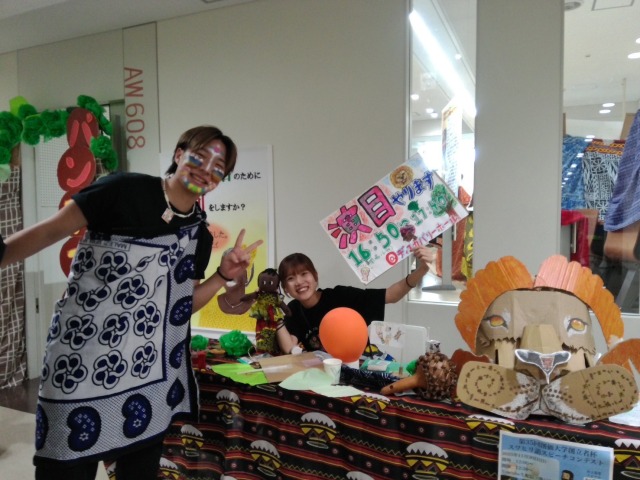
Founder Yoshida once said, "The African Century is the century in which those who have suffered the most will be the happiest. ... The time has come for the world to learn from the energy, strength, and wisdom of Africa, a country that has never lost its cheerful pulse of life, despite all that it has taken." These words remain at the core of our activities today. Activities such as the performances, exhibitions, and speech contests at the Soka University Festival are based on the desire to "learn from Africa and spread what we have learned." For example, this year's Soka University Festival exhibition focused on Wangari Maathai, showcasing excerpts from a conversation between Yoshida and the founder. I believe that the founder's spirit and the bonds of friendship with African leaders continue to be passed down through our activities.
What do you think is the significance of learning Swahili and African culture?
Sasaki: I believe that learning Swahili helps us understand Africa from a global perspective and learn about its history and culture. When we think about Africa, we often focus on its darker aspects, such as colonial rule, poverty, and political corruption. My own interest in these areas led me to join the club. However, through the group's activities, I came into contact with African music and dance and was moved by the potential of this bright, vibrant culture. I believe that elements such as the lively dance unique to Africa and the power of the djembe (drum) symbolize life itself. I believe that learning and embodying this culture will not only help us overcome the difficulties and hardships of our daily lives, but will also inspire those who watch with courage and hope, encouraging them to try their best tomorrow.
Please give us a message for your juniors who are aiming to enter Soka University, and tell us what you hope for from the Pan-African Friendship Association in the future.
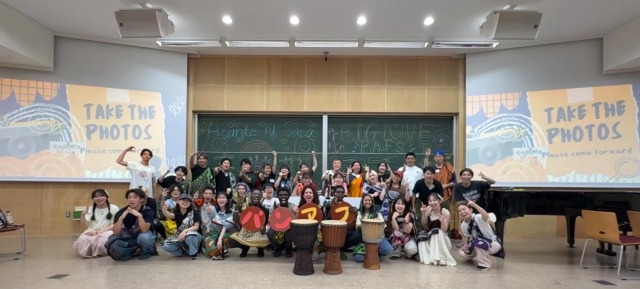
Yoshida Soka University is home to many people who are truly committed to realizing world peace. It also offers an environment that nurtures each individual's potential. Whether you're searching for what you want to do or already have a dream, you're sure to find a wonderful path. Soka University has a deep-rooted "spirit of cherishing your juniors," and many students hope that their juniors will learn and experience even more than they have. Furthermore, you'll find it easy to engage with many international students, friends, and faculty. There's much to learn here that you won't find anywhere else. However, please also cherish interactions not only with students from other universities, local friends, and people of different generations. These connections will surely be an important key to broadening your horizons. I hope that the Pan-African Friendship Association will continue to serve as a bridge connecting friendship between Africa and Japan and building a great culture of peace. I'm confident that each friendship Pan-Af forges will be a step toward world peace.
Sasaki: Soka University is a university that gives you the opportunity to grow. We have an environment where each student can fully immerse themselves in what they want to do, not just club activities, but also undergraduate studies, dormitory leadership roles, and studying abroad. I would encourage all middle and high school students to choose Soka University as their place of study. Africa also has a diverse range of charms, and everything about it is "Africa," including its vibrant culture full of vitality and negative aspects such as poverty. There is truly a lot we can learn from it, even though we are far away in Japan. I hope that you will join the Pan-African Friendship Society at Soka University and act as a bridge to Africa.
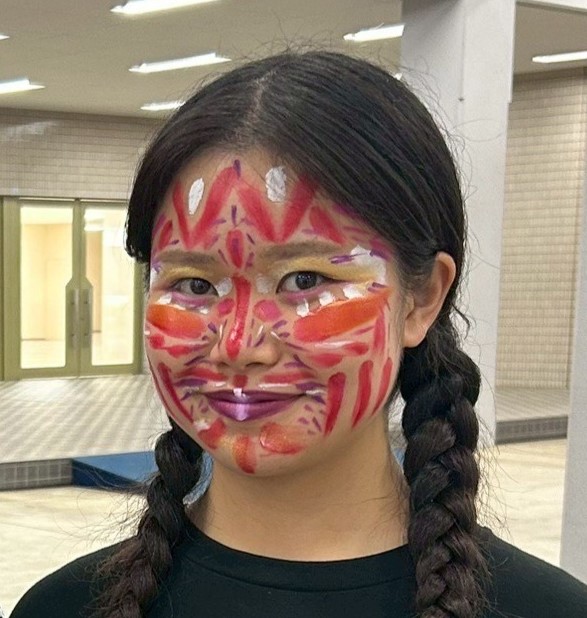
< Faculty of Law Department of Law 2 years>
Yurika Yoshida
Yoshida Yurika
- [Favorite saying]
- Let's take root in the earth and live with the wind. Let's survive winter with the seeds and sing in spring with the birds. (From "Castle in the Sky")
- [Personality]
- Sensitive and has a strong sense of responsibility
- [hobby]
- Walking, reading, going out
- [Books I've read recently]
- The Eyes of the Forest Question the World: Conservation of African Rainforests and Indigenous Peoples / Mitsuo Ichikawa

< Faculty of International Liberal Arts Department of International Liberal Arts 2 years>
Hidenobu Sasaki
Sasaki Hidenobu
- [Favorite saying]
- Think globally, act locally
- [Personality]
- Go at your own pace, think deeply, and once you make a decision, see it through to the end
- [hobby]
- Learning foreign languages, reading, listening to music, traveling, multilingual conversation
- [Books I've read recently]
- Dialogue of Global Citizens: Peace, Humanity, and the United Nations/ Daisaku Ikeda
Pickup
経済学からSDGsにアプローチする3つの施策を学内で実施
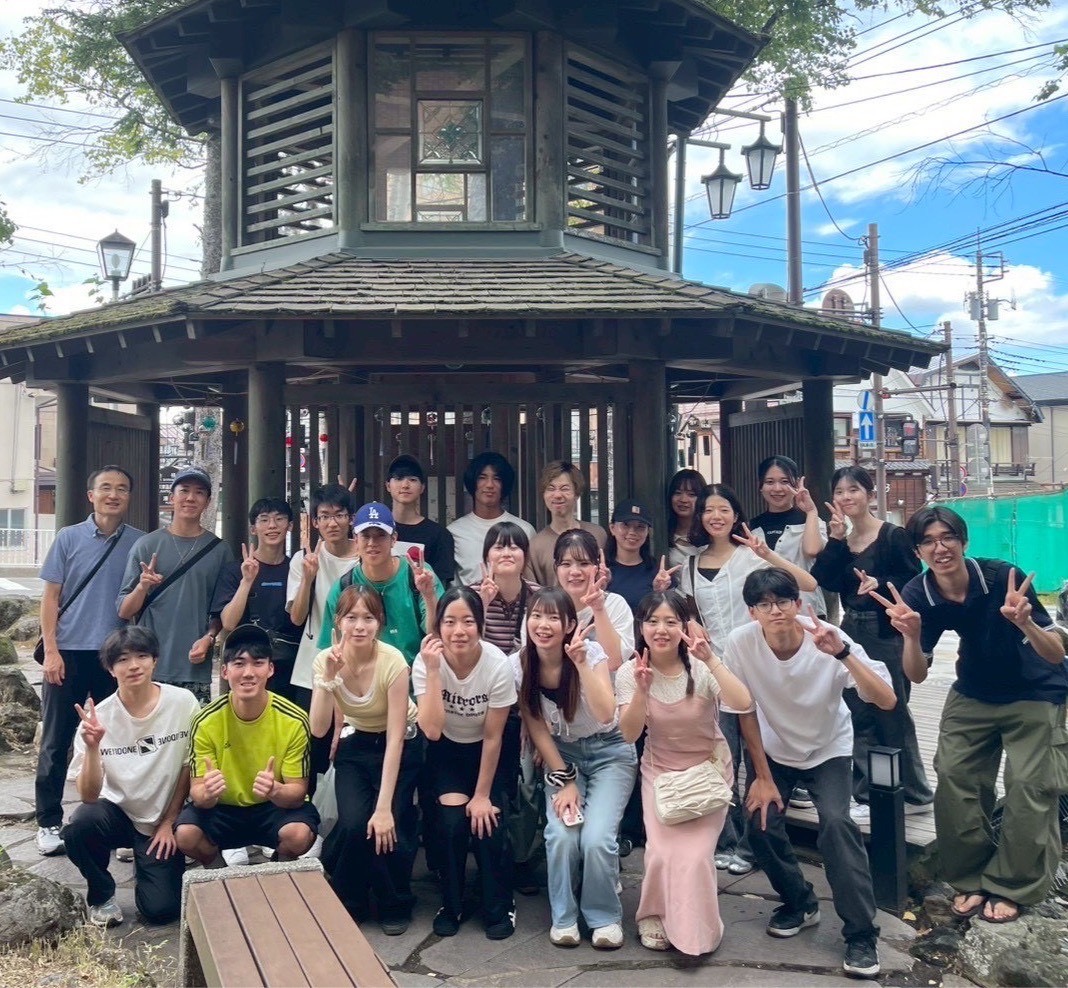
Collaborating with students at a local, cutting-edge educational institution to tackle local issues
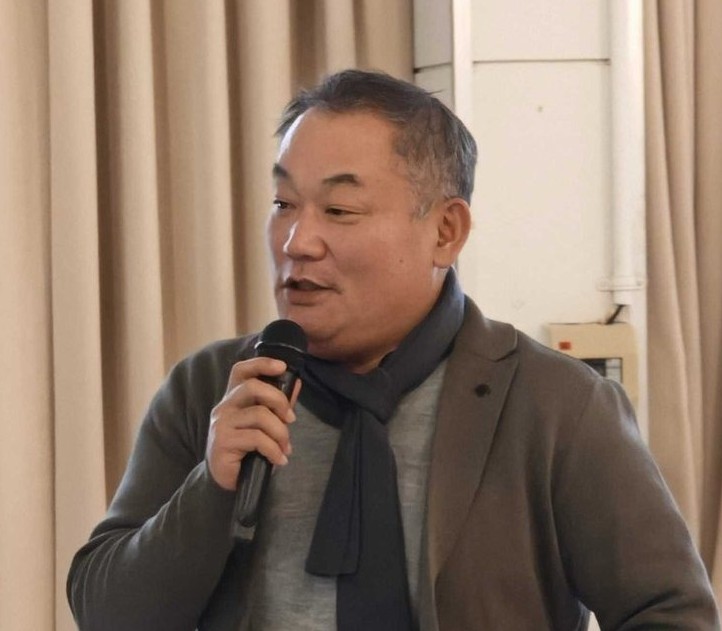
Passing the difficult Tokyo Metropolitan Government employee exam: 4 years of growth fueled by setbacks

Learning Russian and building a bridge of peace in these difficult times
Halal food truck sales realized from multicultural coexistence exhibition