



Halal food truck sales realized from multicultural coexistence exhibition
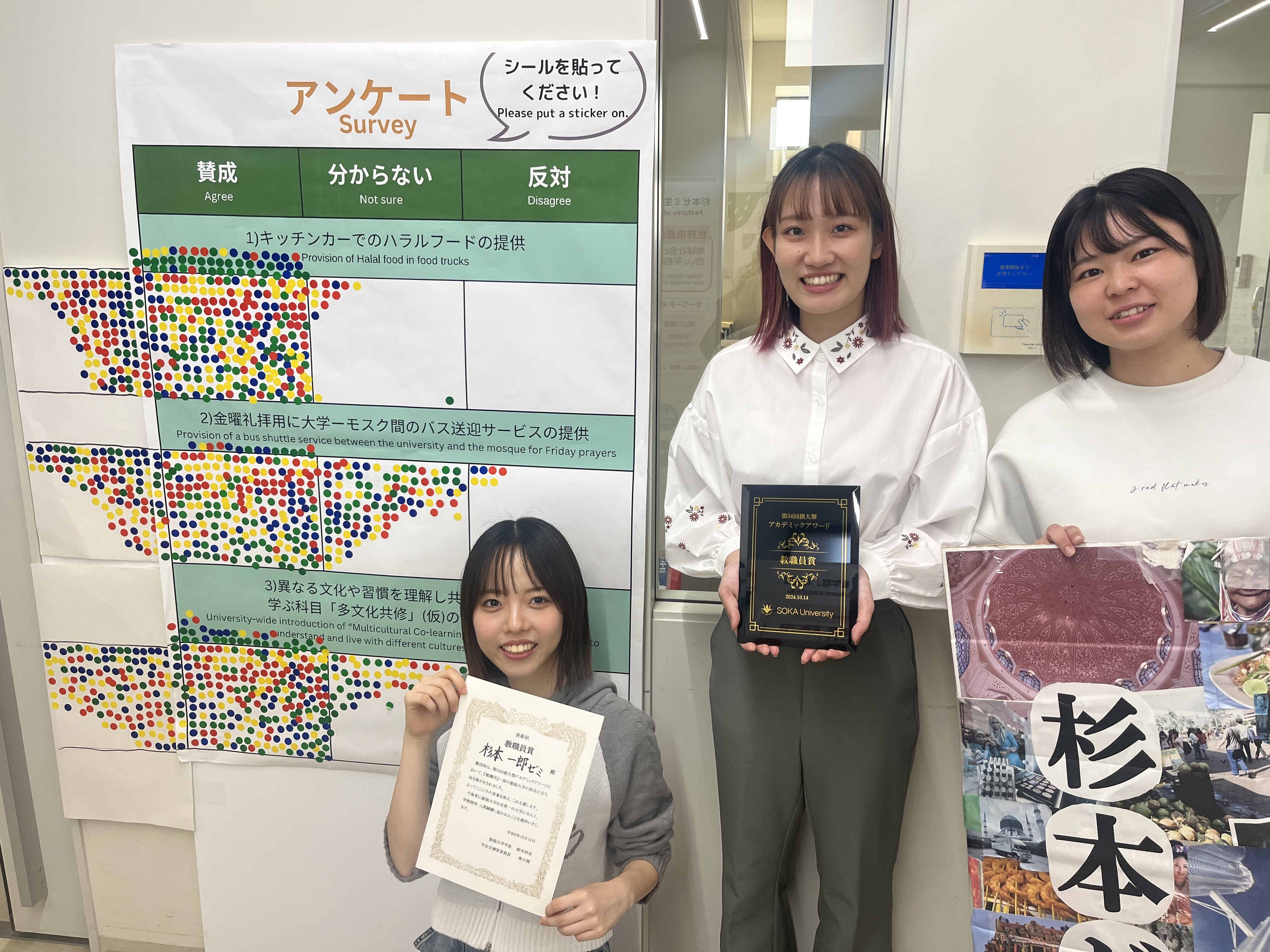
Faculty of International Liberal Arts Department of International Liberal Arts Ichiro Sugimoto Seminar
Momoka Kato (Faculty of International Liberal Arts Department of International Liberal Arts 4 years)
Mr. Kano Bana (Faculty of International Liberal Arts Department of International Liberal Arts 4th year)
Shuma Ohashi (Faculty of International Liberal Arts Department of International Liberal Arts 4th year)
Mirai Nakamura (Faculty of International Liberal Arts Department of International Liberal Arts 4th year)
Riki Mizutani (Faculty of International Liberal Arts Department of International Liberal Arts 4th year
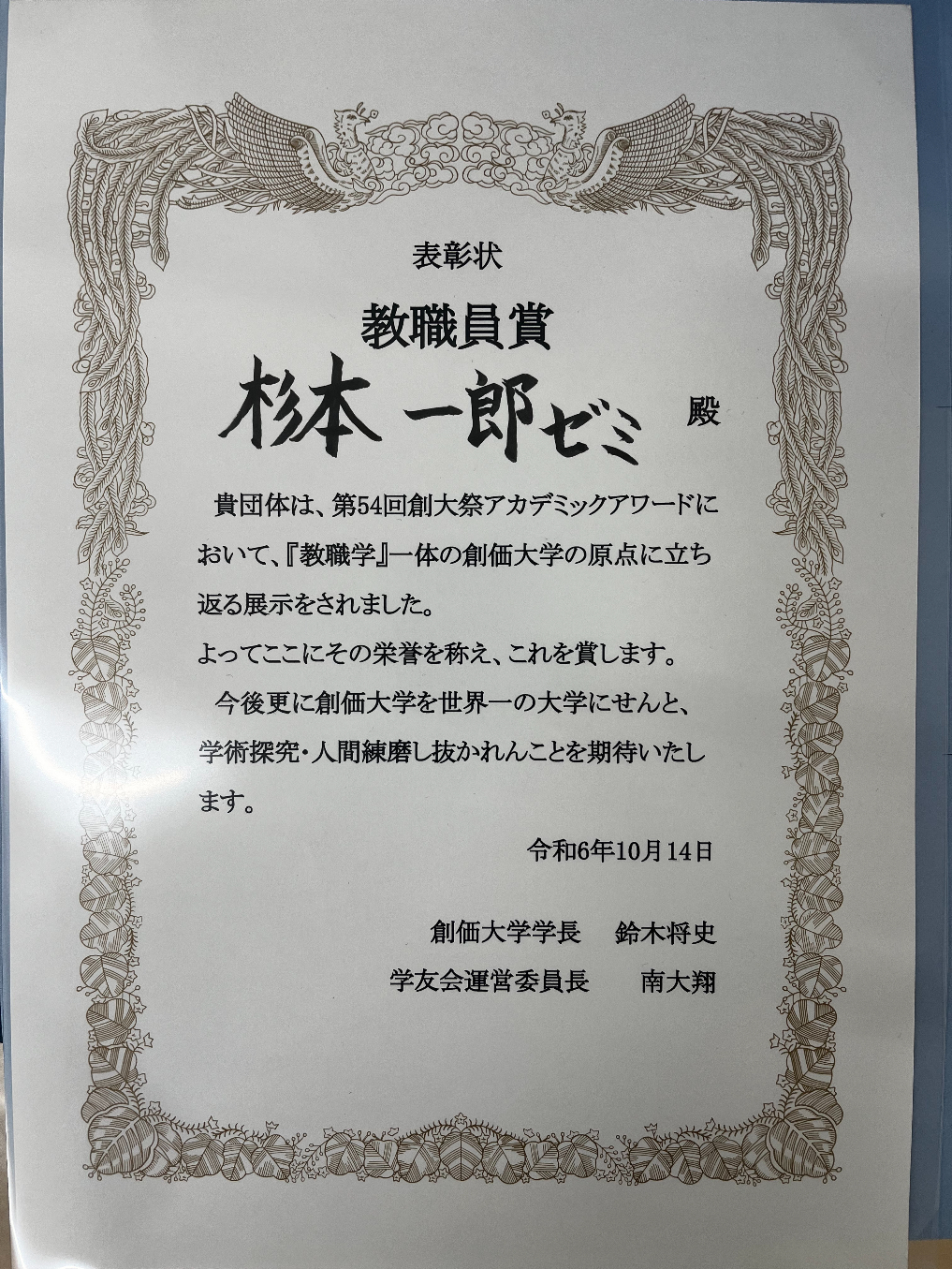
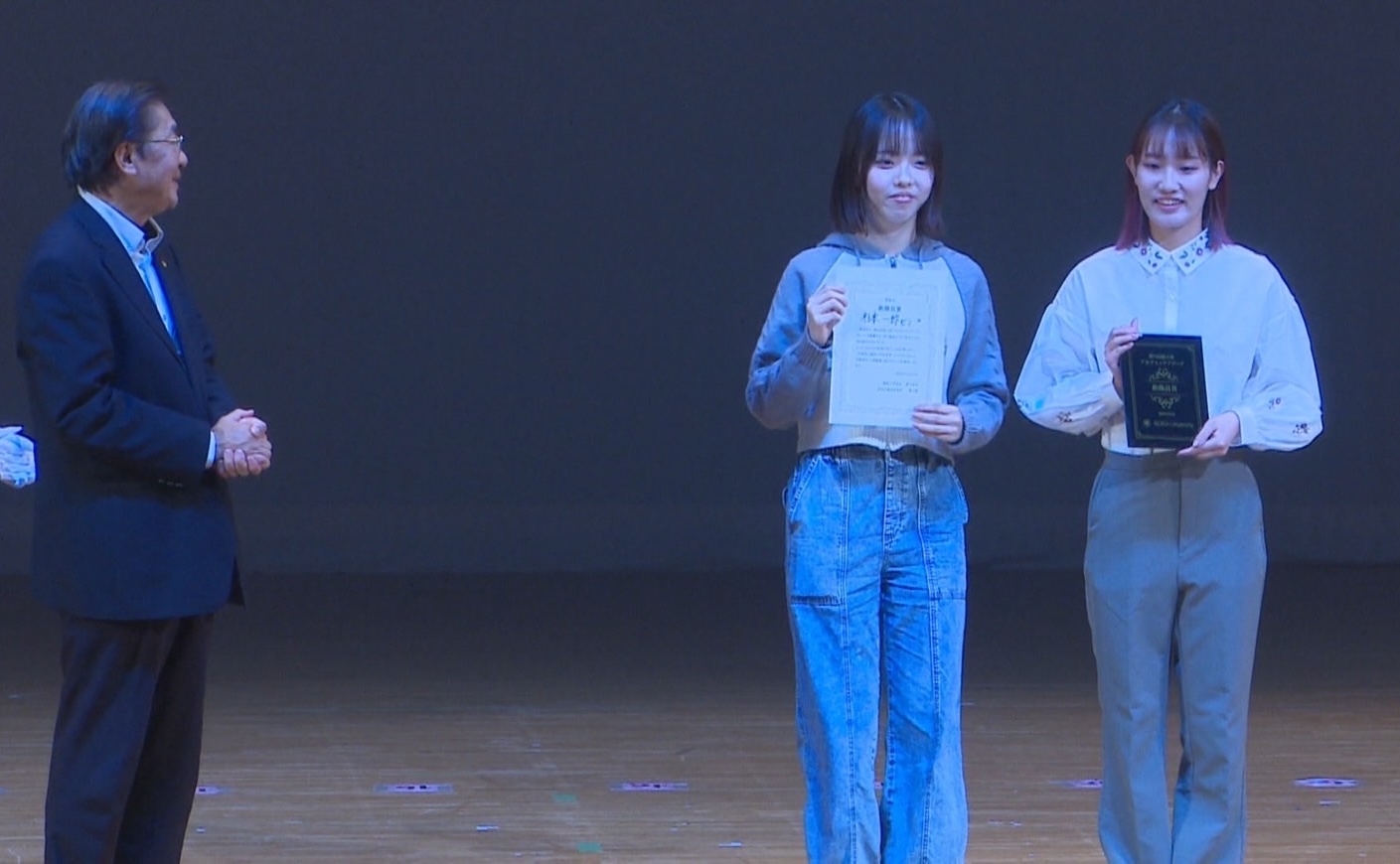
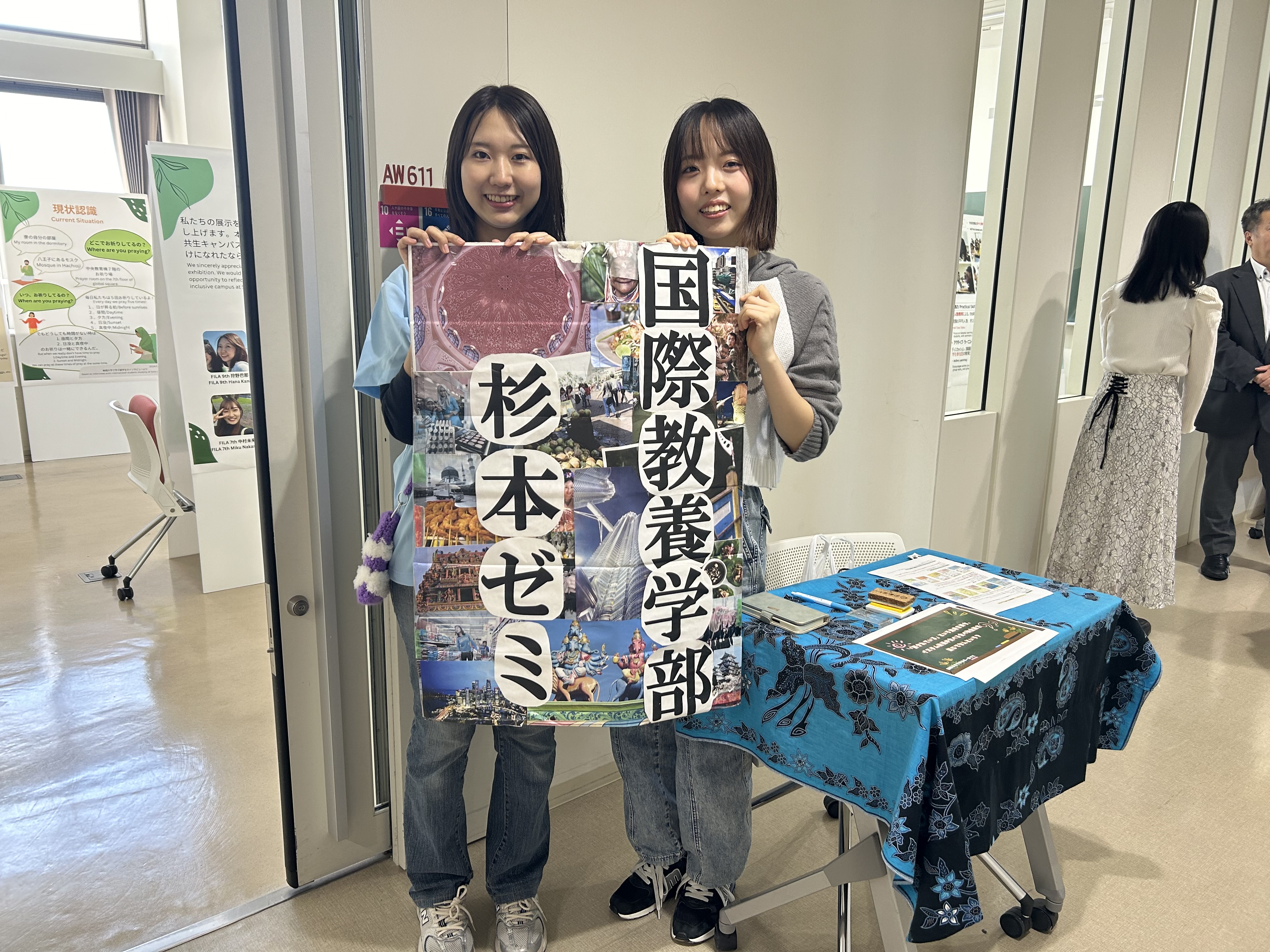
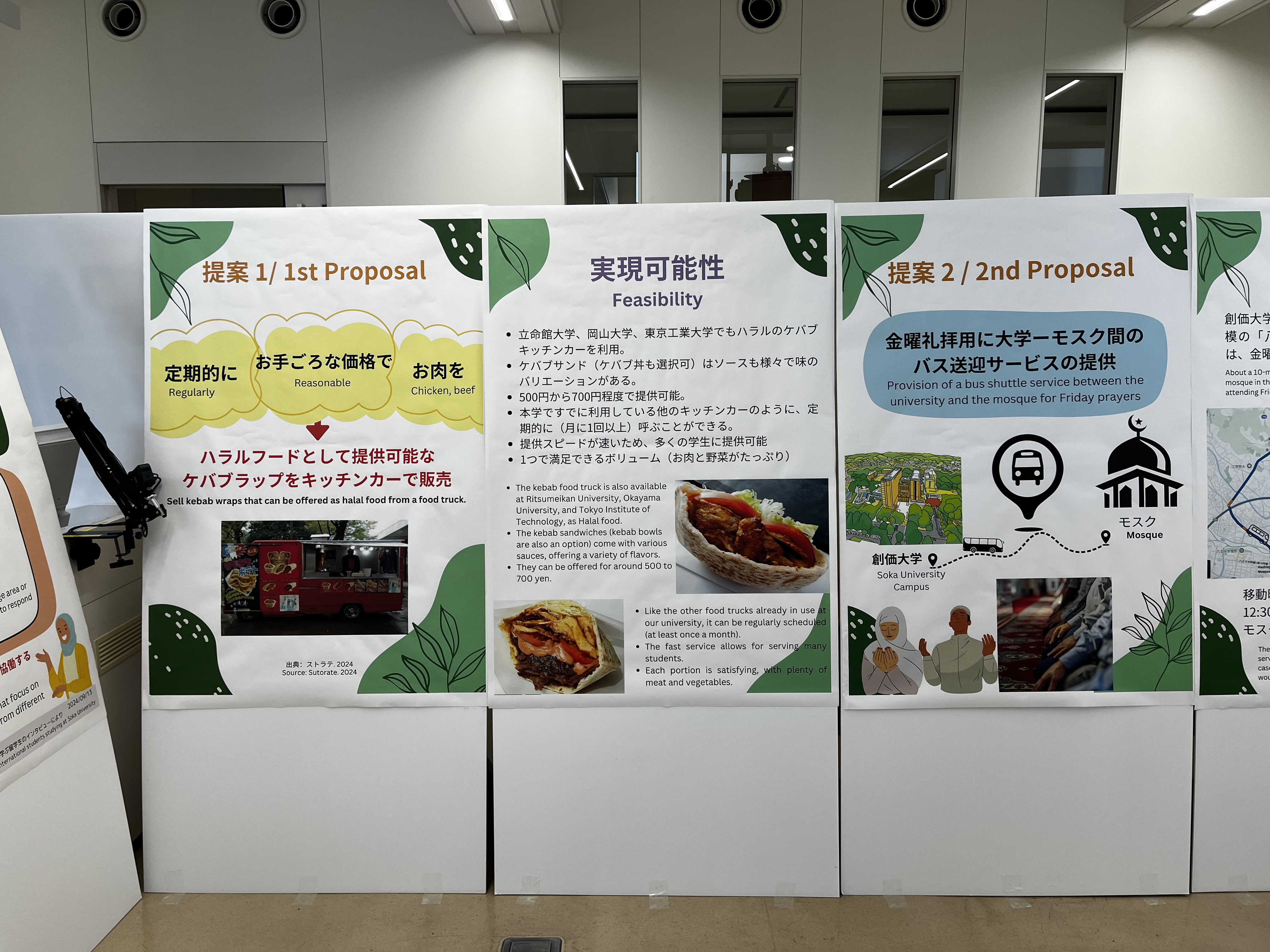
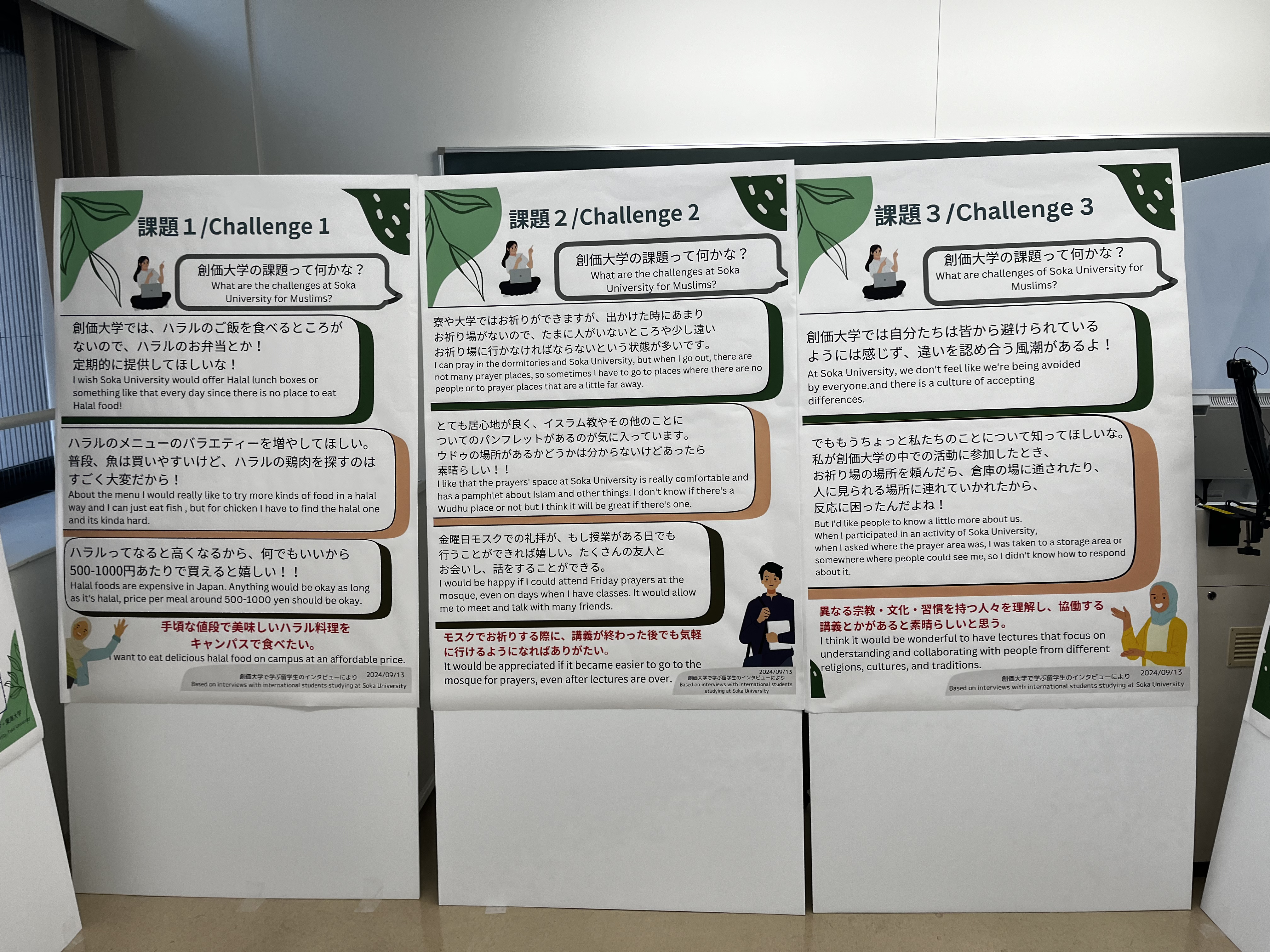
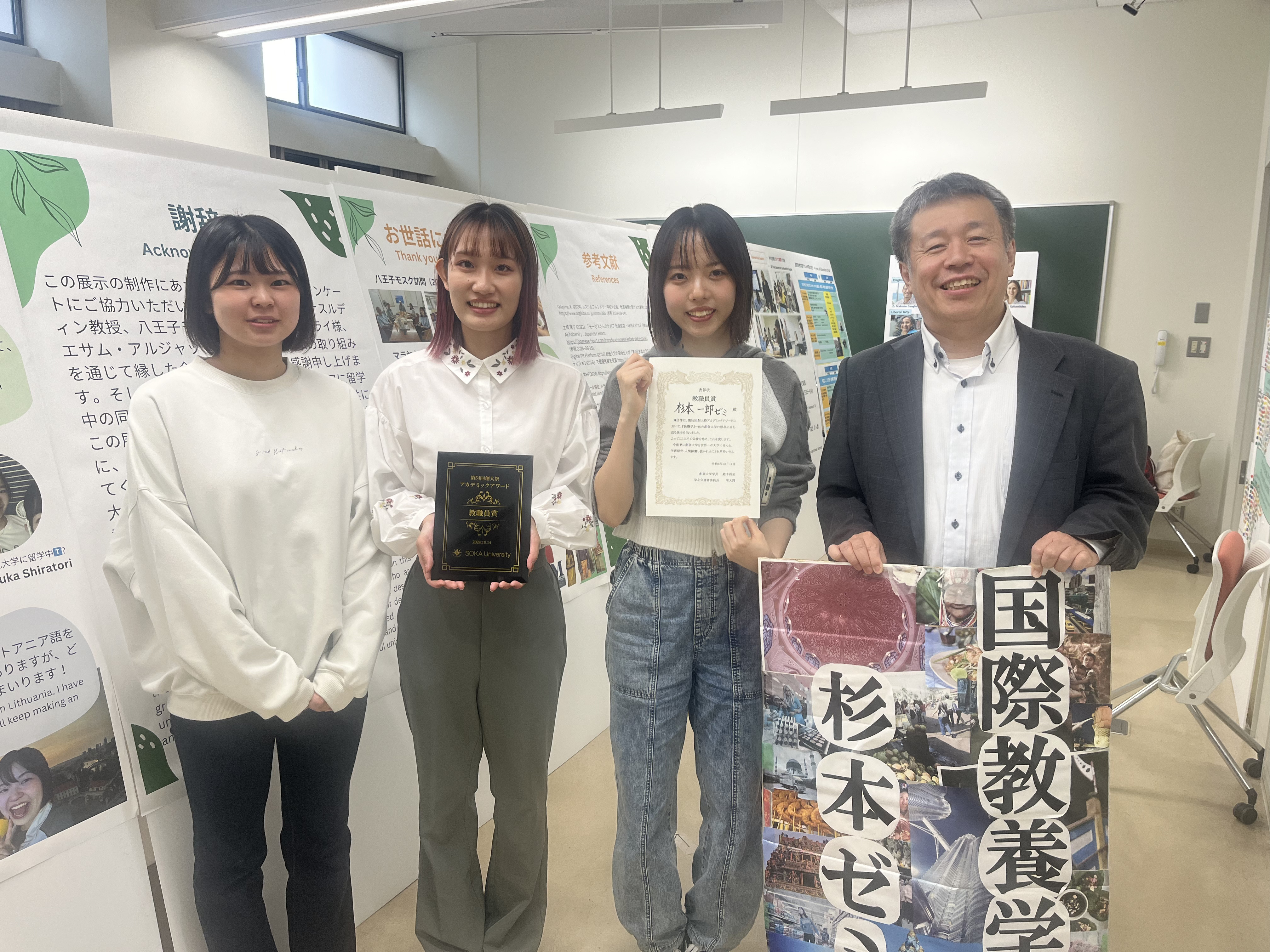
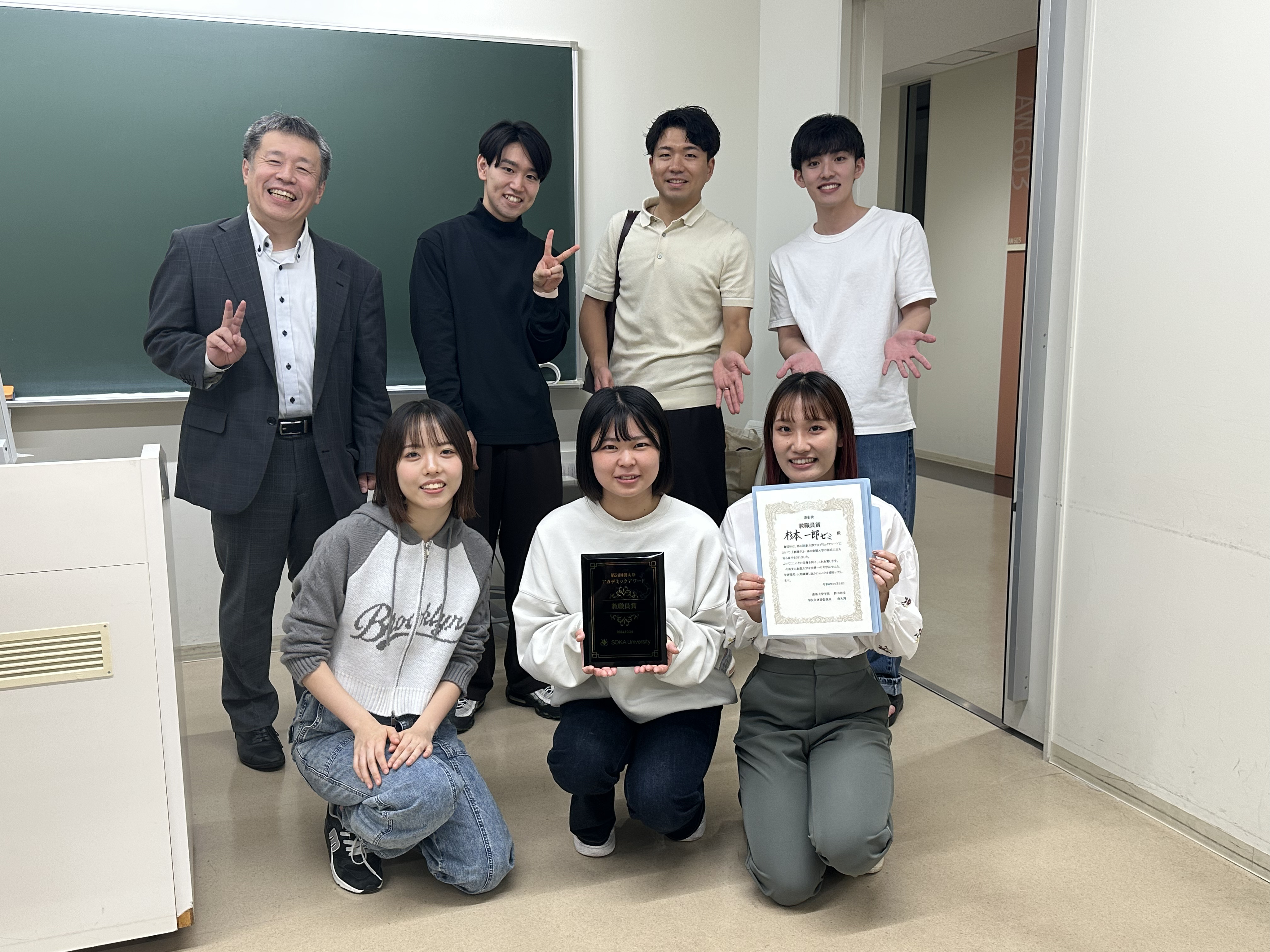
Soka University has started selling halal menu kitchen cars through "Tokyo Halal Deli & Cafe" in September 2025. One of the triggers for its introduction was an exhibition held by Faculty of International Liberal Arts Sugimoto Seminar at the 2024 Sodai Festival. Under the theme of "Aiming for a Multicultural Campus: Thinking from a Muslim Perspective," the exhibition proposing solutions to the life challenges faced by Muslim students was highly praised and won the Faculty and Staff Award at the Sodai Festival Academic Awards. We asked five seminar students about their efforts for the exhibition and their thoughts on multicultural coexistence.
How was the theme of the exhibition for the Souda Festival decided?
Kato: We began discussing the theme of the exhibition around June 2024. Every year, Sugimoto's seminar holds an exhibition with the aim of "giving back what we've learned to society," so we wanted to continue that tradition.
Mr. Kano: Among the members, there were three people who took a class from Malaysia, Universiti Malaya Professor Nasruddin Professor. In my relationship with Dr. Nasruddin, I think one of the reasons for me was that I saw him struggling to maintain the lifestyle of Muslims, such as going home to pray and bringing his own food to eat halal food* that is allowed in Islamic teachings.
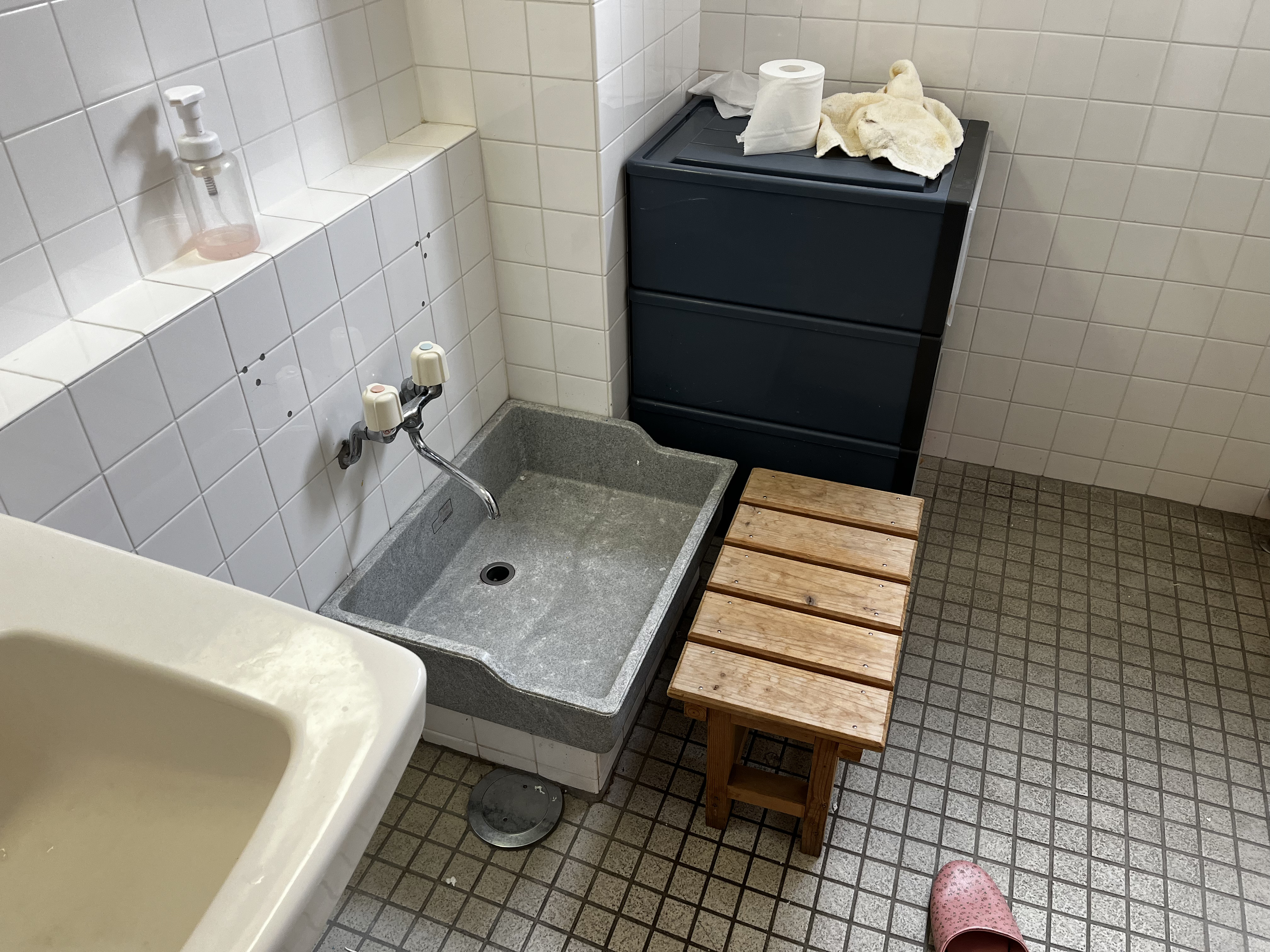
Kato: I also have experience supporting Muslim international students in the dormitory. Some of them could only eat foods that conformed to Islamic teachings. I saw how difficult it was for them to buy ingredients at a supermarket that specializes in halal food, cook dinner, and then spend time preparing their lunches for the next day, and I wanted to find ways to reduce the burden on them, even if just a little.
*Halal food refers to food and dishes that are permitted to be eaten in Islam. Typical prohibited foods include pork and pork-derived products, alcohol, and meat that has not been processed according to Islamic law.
Please tell us about the ingenuity you used in your research and exhibition creation, and the specific efforts each of you took on.
Mizutani: At first, I was very cautious about dealing with such a sensitive topic as religion. After learning basic information online, I made sure to listen carefully to the people involved so as not to be rude.
Kano: At first, I gathered information online, but I felt that I wasn't seeing the real issues, so I decided to actually go to the site to get a firsthand understanding of the challenges Muslims face in living in Japan, such as the lack of halal restaurants and prayer spaces.
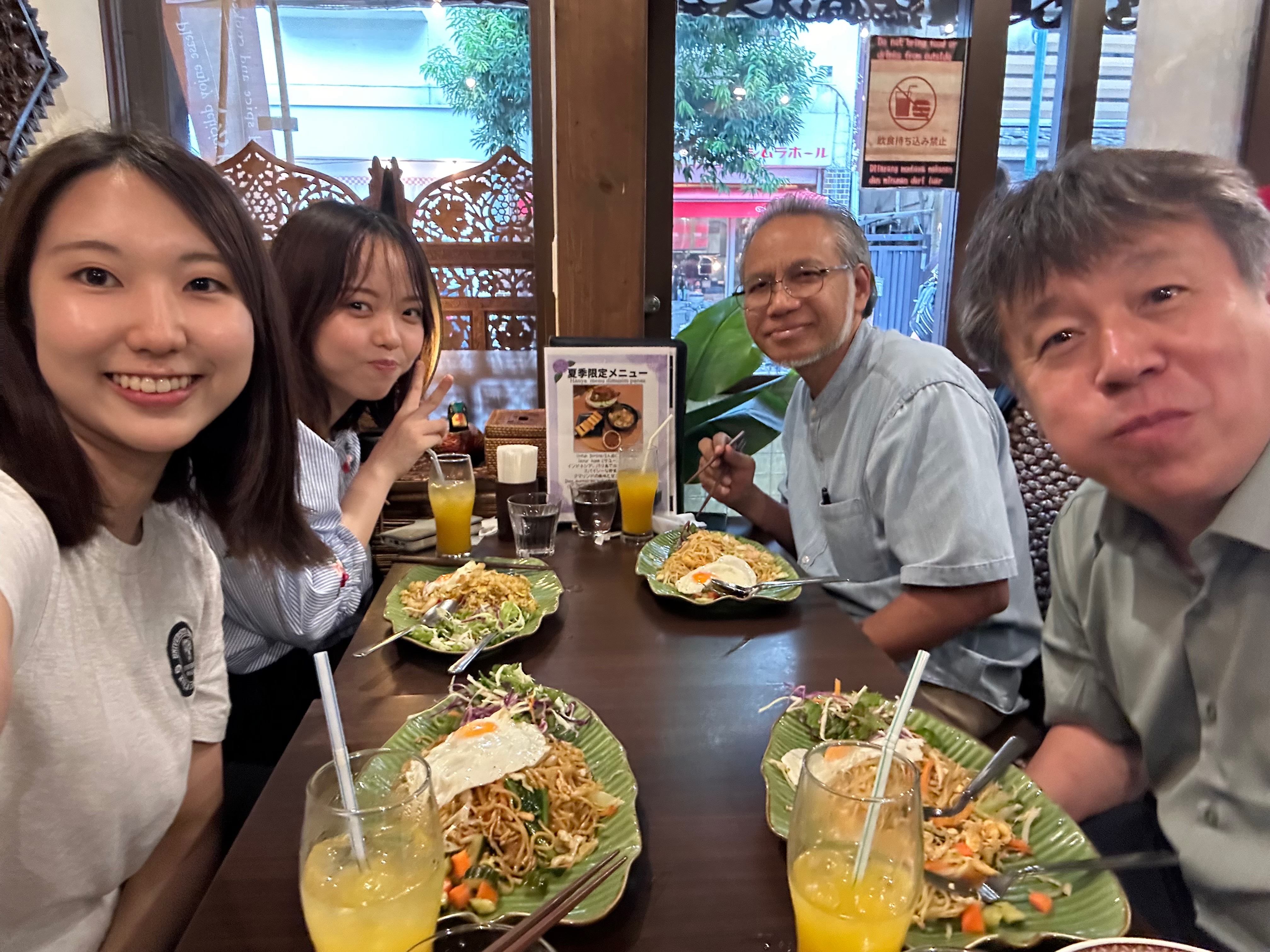
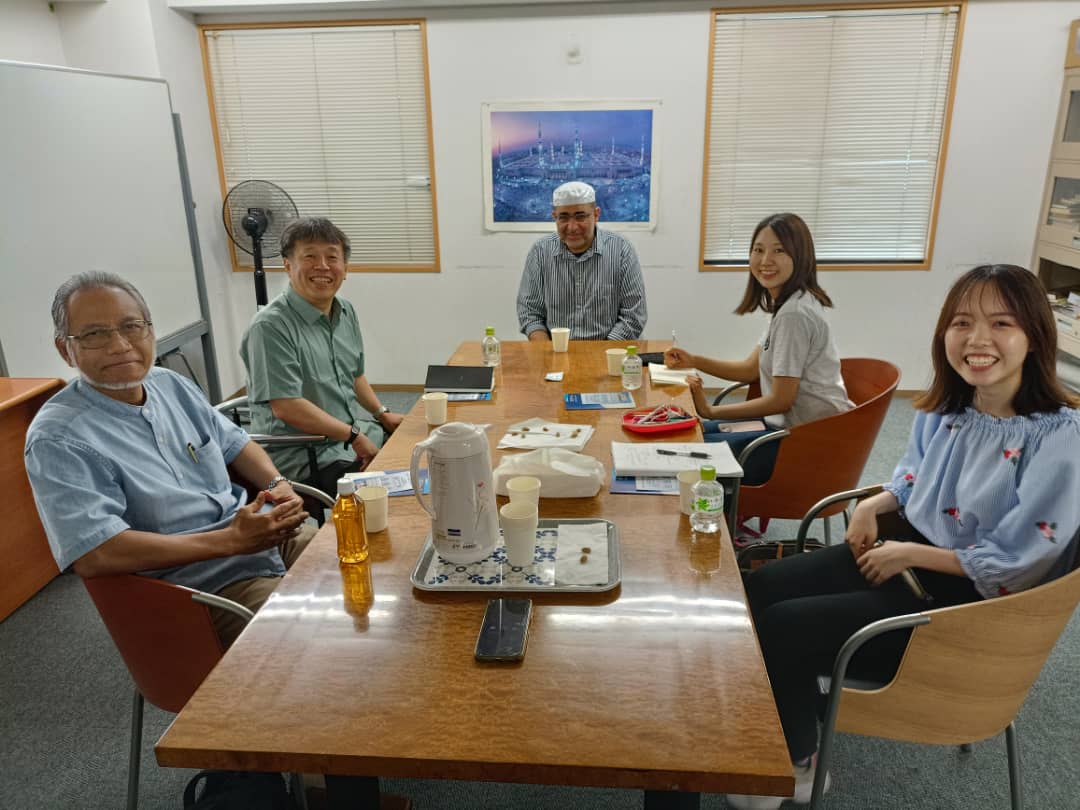
Kato: I visited the Hachioji Masjid (mosque) with Professor Sugimoto and Professor Nasrudin, and learned a lot from the administrator about the detailed rules of halal cooking. For example, if you use a cutting board that has been used to cut pork, all the ingredients will no longer be halal. I think this experience clarified the specific challenges in providing halal food.
We also heard that it was difficult for students to travel back and forth between the mosque and the university to pray, so we considered proposing a shuttle bus to help students get around.
Ohashi: At the time everyone was thinking about the exhibition, I was studying abroad in India. India is a predominantly Hindu country, but the area I visited, Delhi, is also home to a large Muslim population. Halal food is deeply rooted in the local culture, and it's commonplace to choose halal food, which gave me the opportunity to think about what multicultural coexistence means. I conveyed this situation to Japan, and was in charge of the column introducing "Coexistence as Seen in India" at the exhibition.
Nakamura: I was mainly in charge of organizing and summarizing information, and playing a behind-the-scenes role. We were split across four time zones (Japan, Taiwan, Lithuania, and India), so it was difficult to arrange online meetings so that all nine members could participate, but we devised ways to ensure that we could work together, including the members studying abroad.
Was there anything that particularly stood out to you during the preparation period?
Nakamura: There was some hesitation among the members, and the final summary work didn't progress smoothly, so Professor Sugimoto gave us a scolding and encouragement. That's when we realized we lacked the passion to "realize a solution to the problem." Until then, I think we had somehow felt like we were just doing it for the sake of the Soka University Festival exhibition. Professor Sugimoto's encouragement made us realize that we had to seriously put into shape proposals that would change society. It strengthened our resolve to take firm action, as a way of repaying the kindness of everyone who cooperated, including those who answered our interview questions.
Kano: The teacher's words made me realize that it's important for everyone to come together and work together until the end. I think we were able to complete the project because we were able to connect with the online members and create an atmosphere where everyone was in step with each other and wanted to see it through to the end.
What was the reaction on the day of the exhibition?
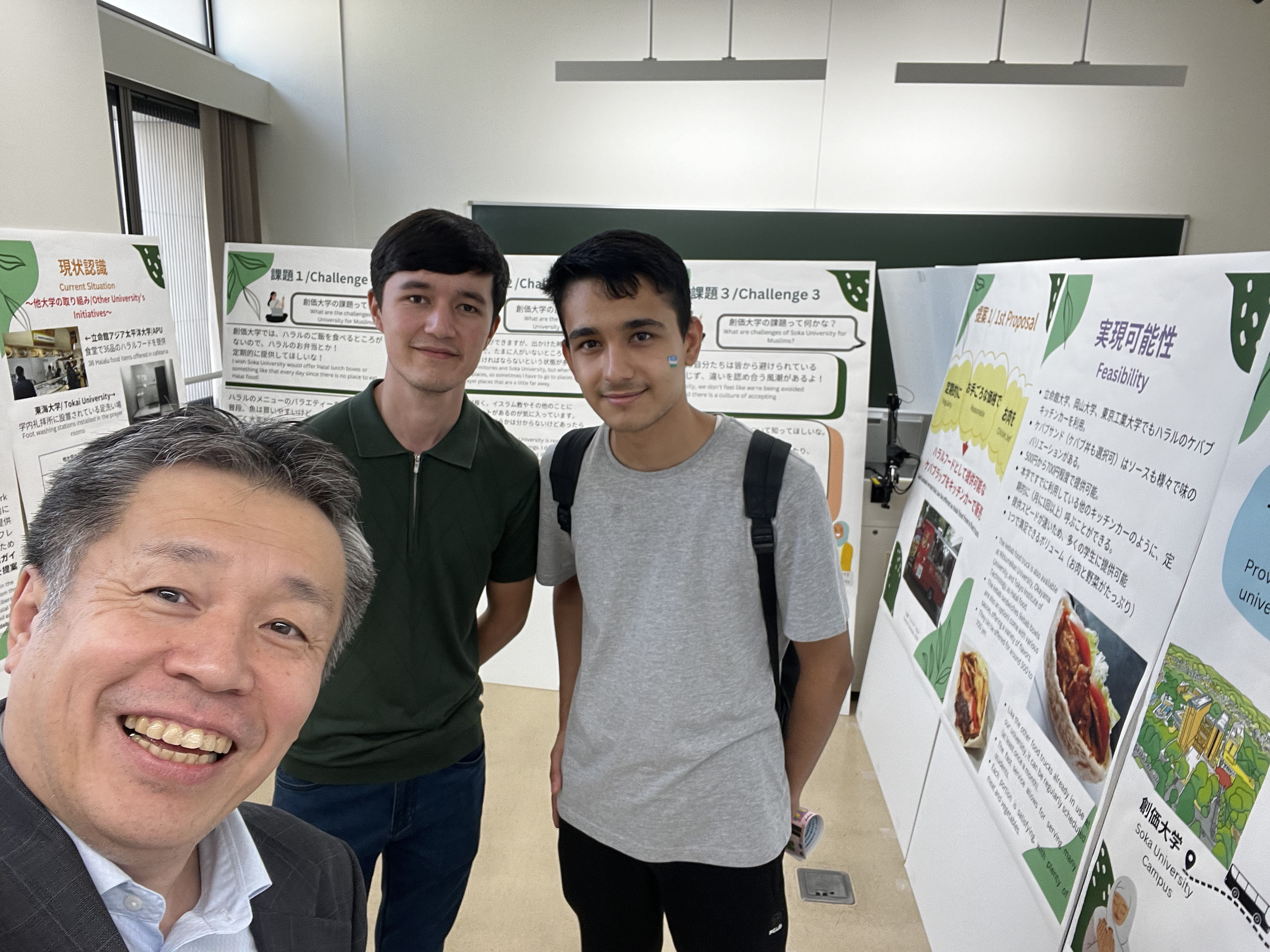
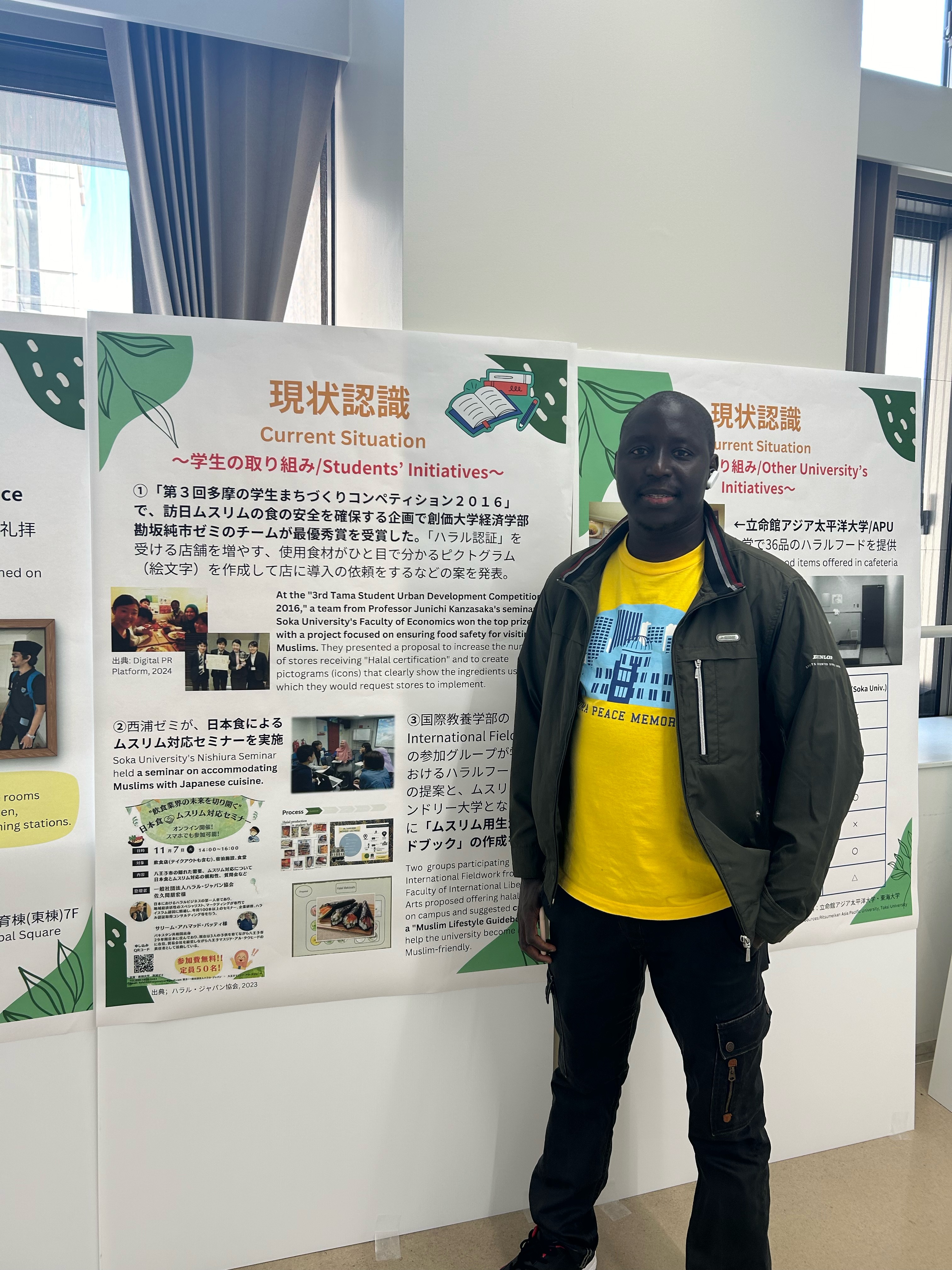
Kato-san: Many people stopped by and commented, "That's amazing," and "I didn't know that." Soka University has a global image, but many were surprised to learn that there are still areas that can be improved. I was happy that our exhibition seemed to give them a chance to think again about multicultural coexistence.
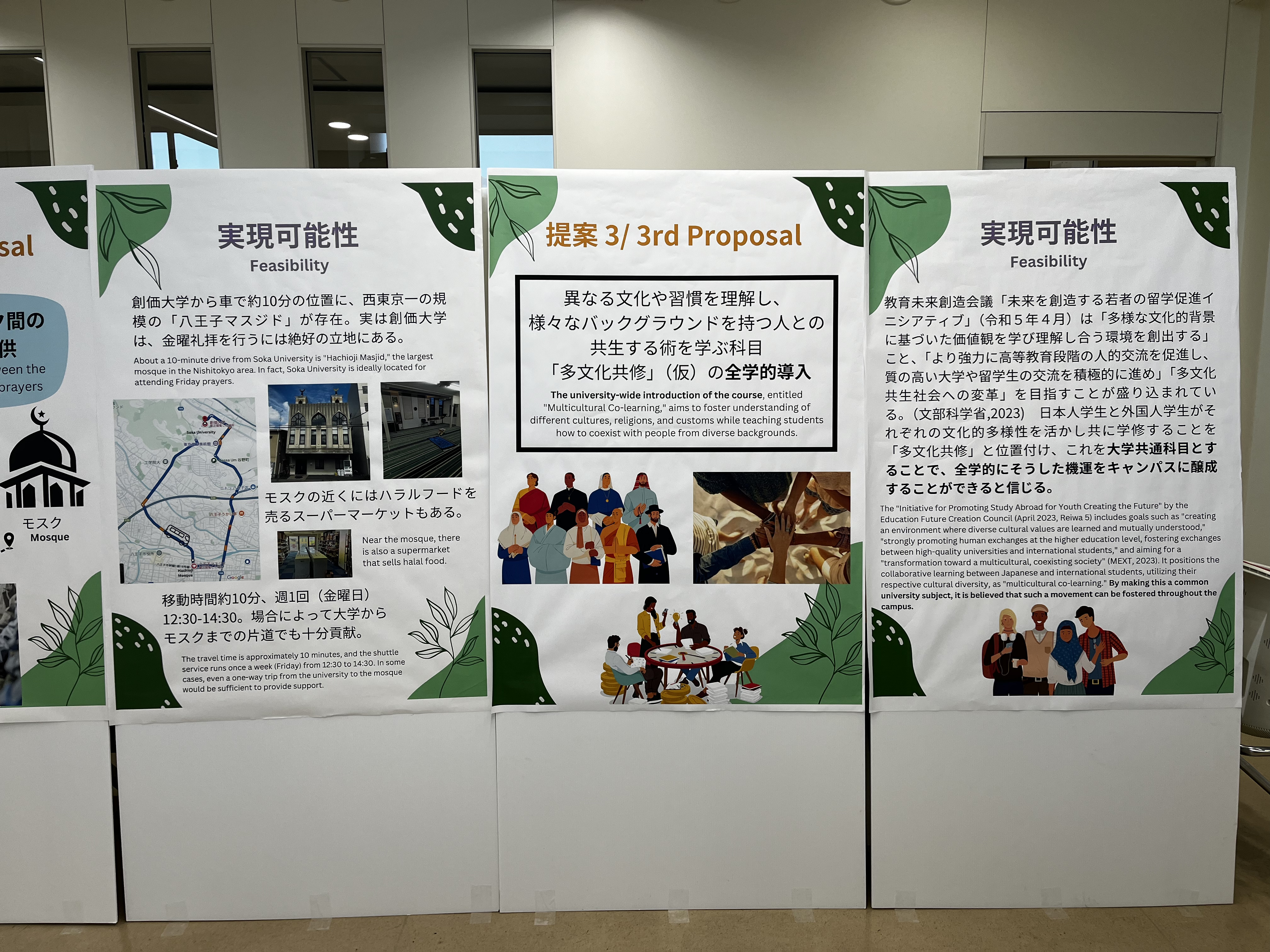
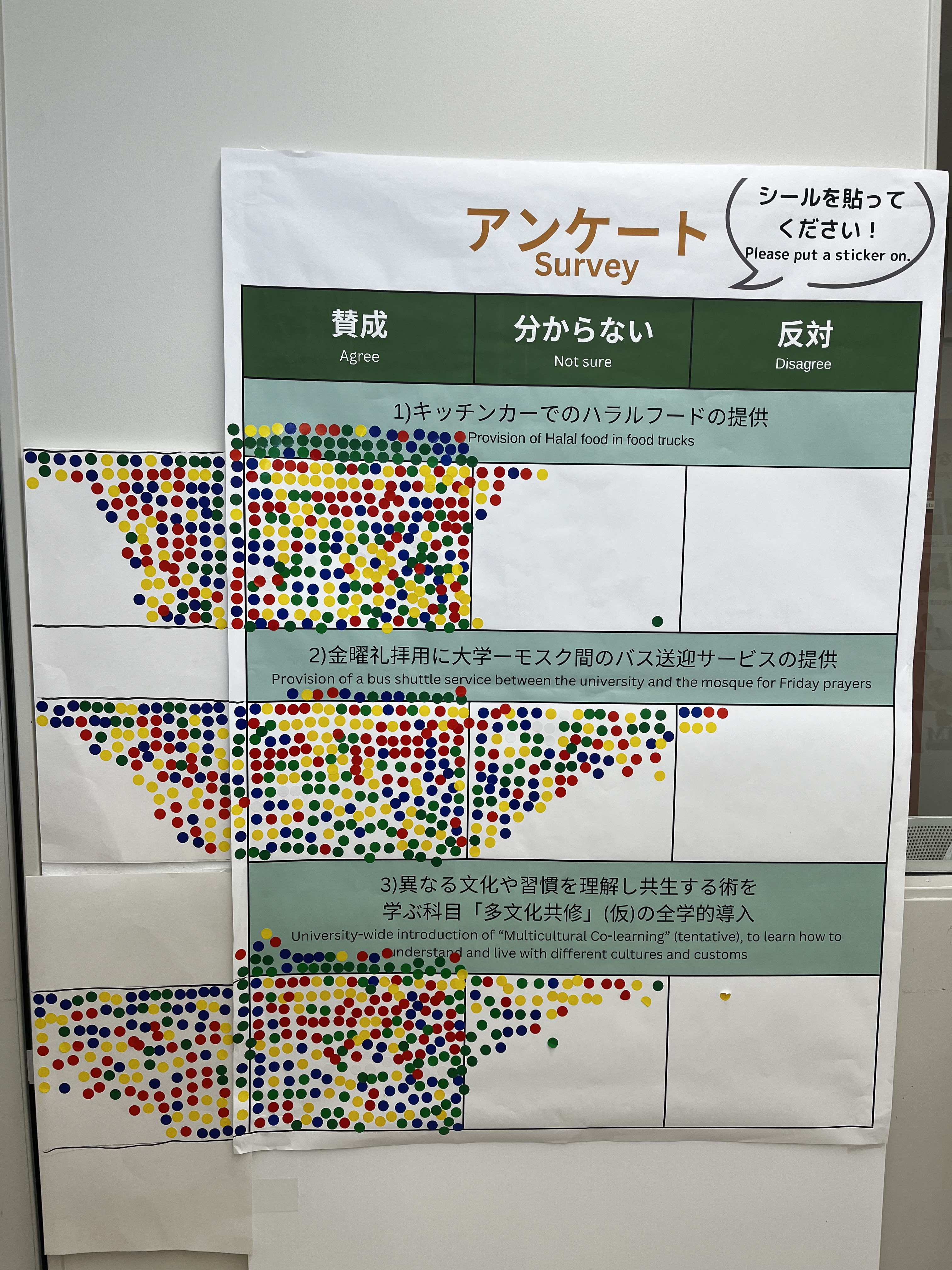
Nakamura-san: We wanted to hear opinions from visitors, so at the end of the exhibition we set up a section where visitors could write a sticker indicating whether they "agree," "don't know," or "agree" to the proposals. The overwhelming majority of people answered "agree" to the proposal to introduce halal food trucks, which seemed to be a positive response. On the other hand, there were also some practical opinions about running a bus to the mosque, such as "who will pay for the costs," which brought to light the next issue.
Please tell us how you felt when you first saw the halal food truck that was made possible thanks to your exhibition.
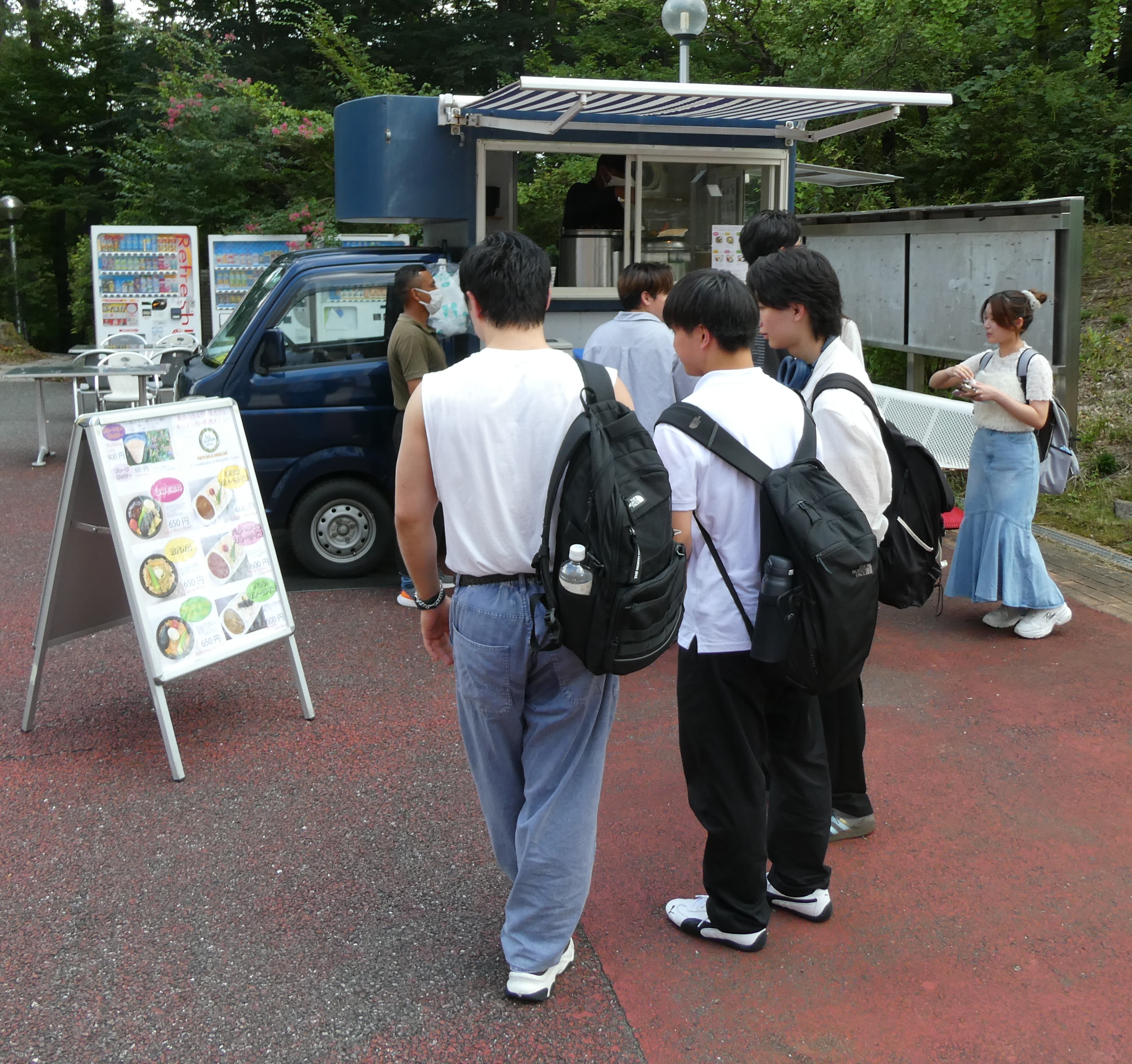
Kato: My heart warmed when I actually saw the food truck come to campus. It gave me great joy that we were not only able to contribute to Muslims, but also to provide an opportunity for non-Muslims to learn about halal food. I would be very happy if this was a step towards making people realize that halal food is not something special as Soka University promotes a global environment.
Mizutani: I feel that for Soka University students, having halal food and Muslim students nearby will become a natural and natural thing. I am happy that I have been able to take a step towards contributing to the university's multicultural coexistence.
Kano: "I was really surprised that the food truck became a reality at a speed that I couldn't have imagined when it was just an exhibition. Through this experience, I realized the importance of speaking up, knowing that our actions can have a driving force in moving the university forward."
Ohashi: I'm very happy that the food truck has become a reality. It's not just because we've achieved something, but because we've been able to contribute in some small way to Muslims and see the possibility of paving the way for diversity for them, and I'm deeply moved by that. When I studied abroad in India, religious and cultural differences were integrated into everyday life, but that's not yet the case in Japan. I hope that this food truck will become a symbol of multicultural understanding at Soka University.
Have you noticed any changes or realizations about yourself through this activity?
Nakamura: Listening to the voices of Muslim students, I realized that the everyday things I took for granted might be inconvenient for someone else. There are realities that cannot be heard unless someone speaks up. I felt a desire to continue to pay attention to "hard-to-see problems."
Mizutani: I learned that intercultural understanding is not something that the minority has to endure, but rather that the majority makes an effort to compromise. This activity really made me realize the importance of being considerate to each individual.
Ohashi: I realized the importance of awareness-raising activities and the magnitude of the "power of the individual." Before the exhibition, no one had recognized it as an issue, but through the exhibition, it attracted the interest of many people and ultimately led to its realization. I learned that society can change when someone takes action.
Kano: "By working on a single theme, I gained the ability to think as a team, exchange opinions, and give shape to it. It was a great experience for me to learn the importance of dialogue that transcends cultural and religious differences."
Kato: Through the activities of Sugimoto's seminar, I realized that academics are directly connected to society. I want to learn not only the importance of acquiring knowledge but also the importance of taking action, and continue to hone my ability to act for others in the future.
Please tell us about the appeal of Soka University and your message to your juniors.
Mizutani: Soka University has many teachers and staff members who sincerely listen to the voices of students. I believe that the introduction of the food truck was made possible thanks to the university's attitude. There are countless friends at Soka University who believe in the potential of themselves and those around them, and who have the strength and courage to expand that potential. I believe that student life in such an environment will be a lifelong treasure.
Nakamura: Soka University has an atmosphere that respects diverse cultures. Even if you have a day when you feel like giving up, if you stop and ask for help from those around you, you can move on to the next step. I felt that way myself while working on this exhibition, so I hope that my juniors will also do their best at Soka University.
Ohashi: I think that the things around me that I wonder about or that I feel are issues are often the same for other people. There aren't many opportunities for students to learn about these issues, think about them, and put them into practice. I hope that at Soka University, students will develop a sense of ownership by paying attention to the things around them and asking themselves, "What would I do in that situation?"
Kano: As with this Muslim-friendly initiative, throughout my time at university, I have come to realize that Soka University is a university where there are many people who can take action for others, and where there are many adults who respond positively to those actions. This is a place where an environment is fully prepared in which you can grow into a pioneer who will change the world of the future. Let's take the first step together to change the future at Soka University!
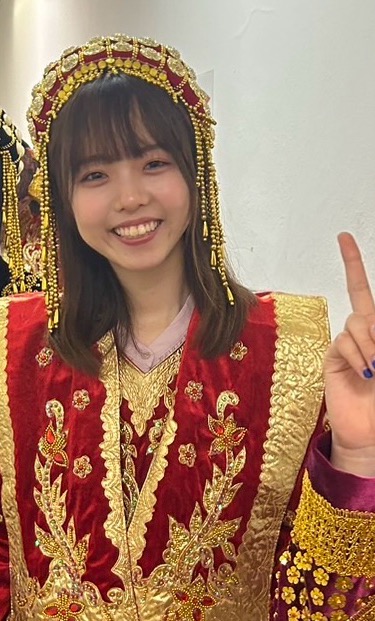
< Faculty of International Liberal Arts Department of International Liberal Arts 4 years>
Momoka Kato
Momoka Kato
- [Favorite saying]
- Create a week's or 10 days' worth of value in one day
- [Personality]
- Curious and ambitious
- [hobby]
- Singing, drawing, walking
- [Books I've read recently]
- Leaders are natural/Yayoi Masuda, Toshihiro Kanai
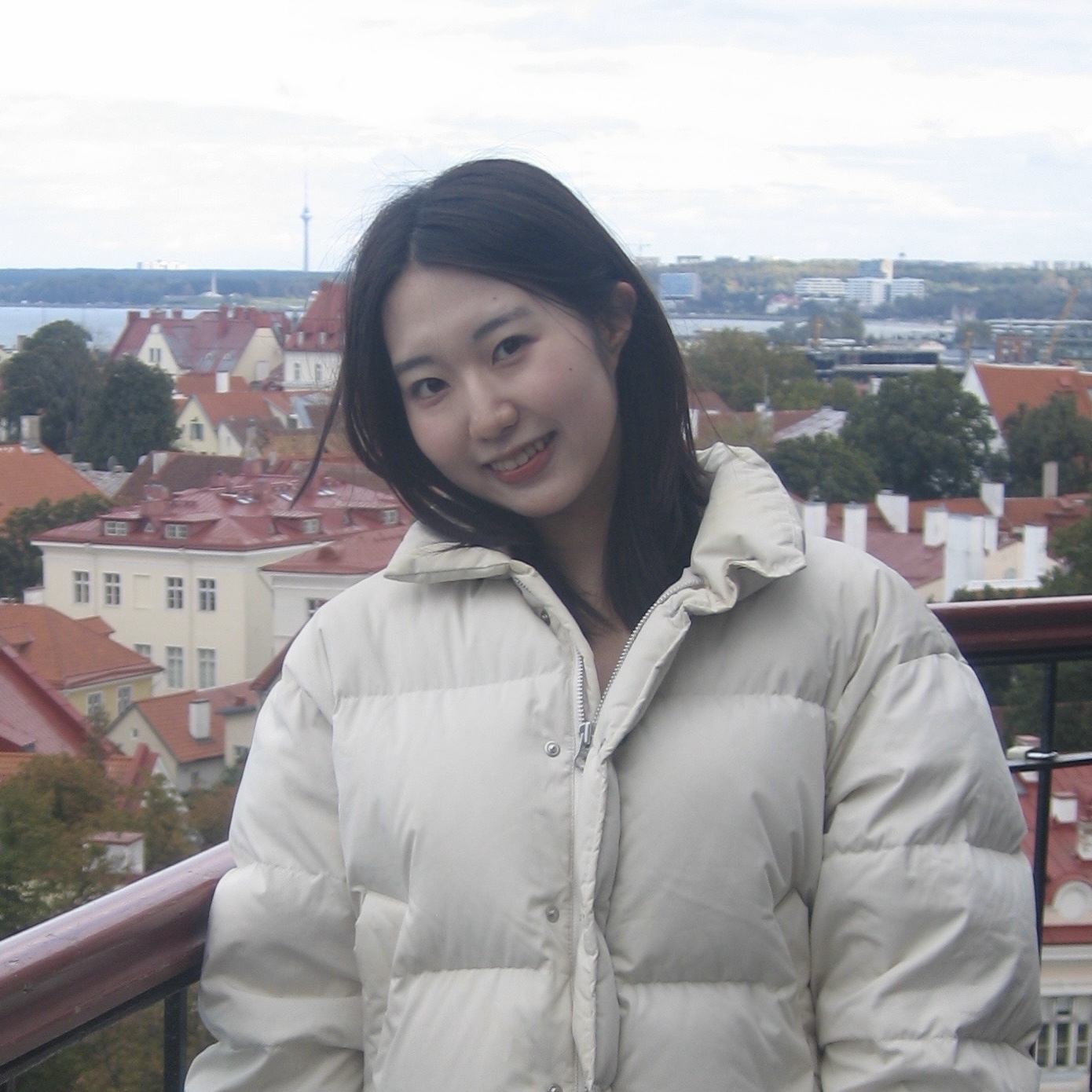
< Faculty of International Liberal Arts Department of International Liberal Arts 4 years>
Kano Banana
Hana Kano
- [Favorite saying]
- Without dreams there is no success
- [Personality]
- Polite debater
- [hobby]
- Traveling, taking photos
- [Books I've read recently]
- Philosophy of Sense / Masaya Chiba
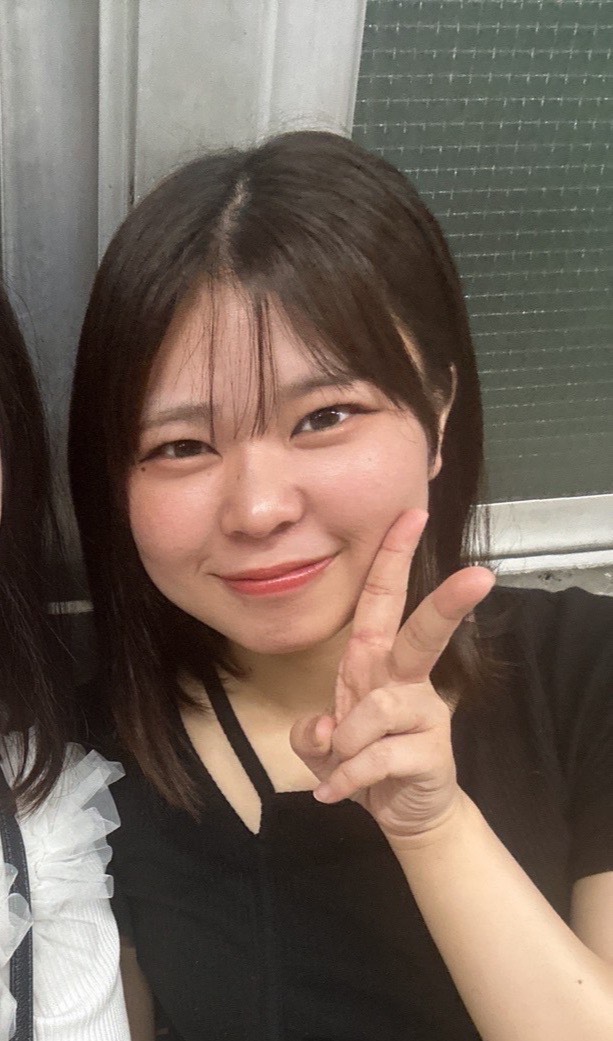
< Faculty of International Liberal Arts Department of International Liberal Arts 4 years>
Riki Mizutani
Rina Mizutani
- [Favorite saying]
- If you try, you can do it
- [Personality]
- Act immediately when you think of something
- [hobby]
- baking sweets
- [Books I've read recently]
- How to spend 3000 yen / Hika Harada
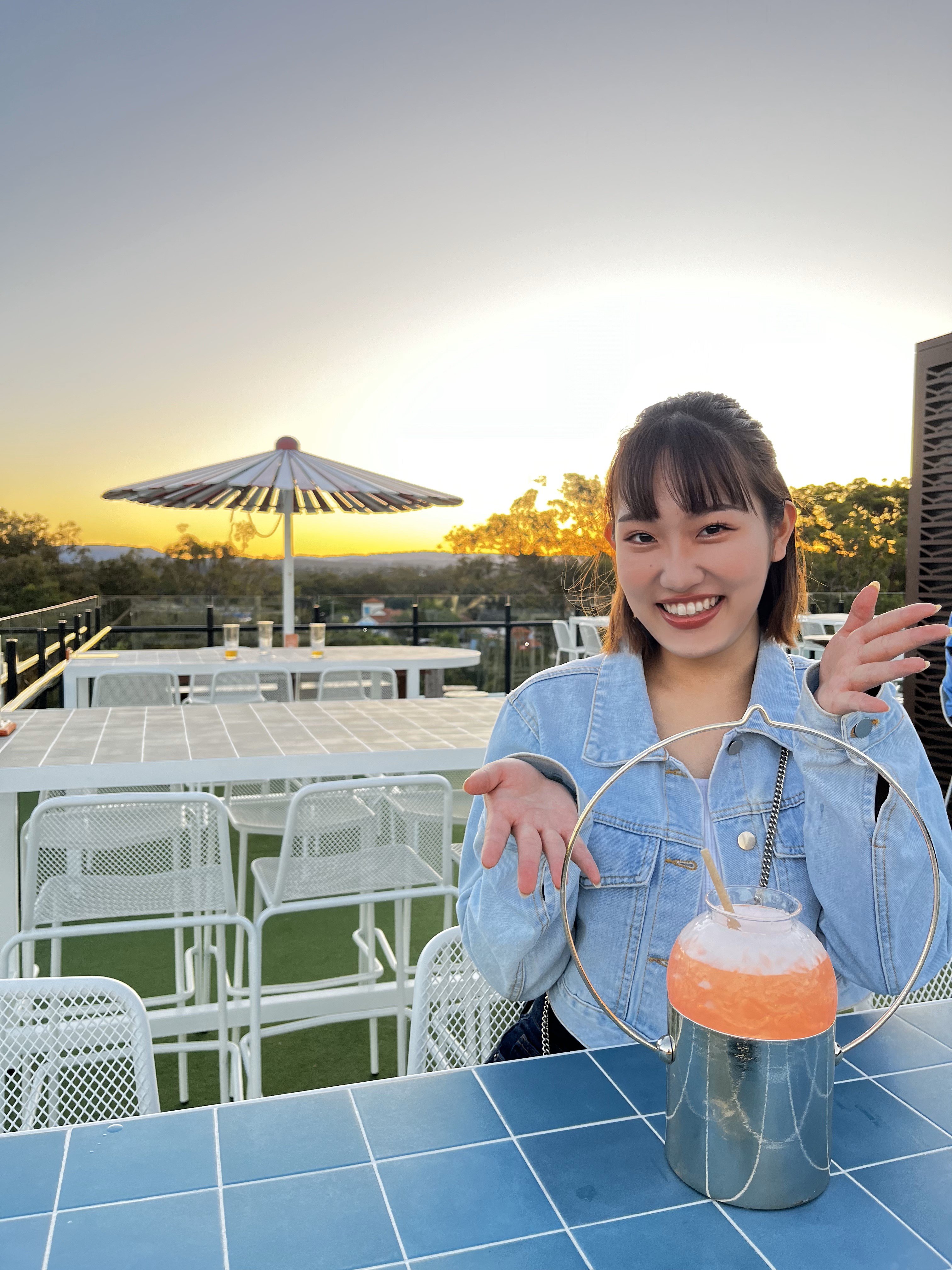
< Faculty of International Liberal Arts Department of International Liberal Arts 4 years>
Nakamura Miki
Miku Nakamura
- [Favorite saying]
- One step at a time
- [Personality]
- Think calmly and act realistically
- [hobby]
- Enjoy cooking and brewing coffee from fresh beans
- [Books I've read recently]
- The Mirrored Castle / Tsujimura Mizuki
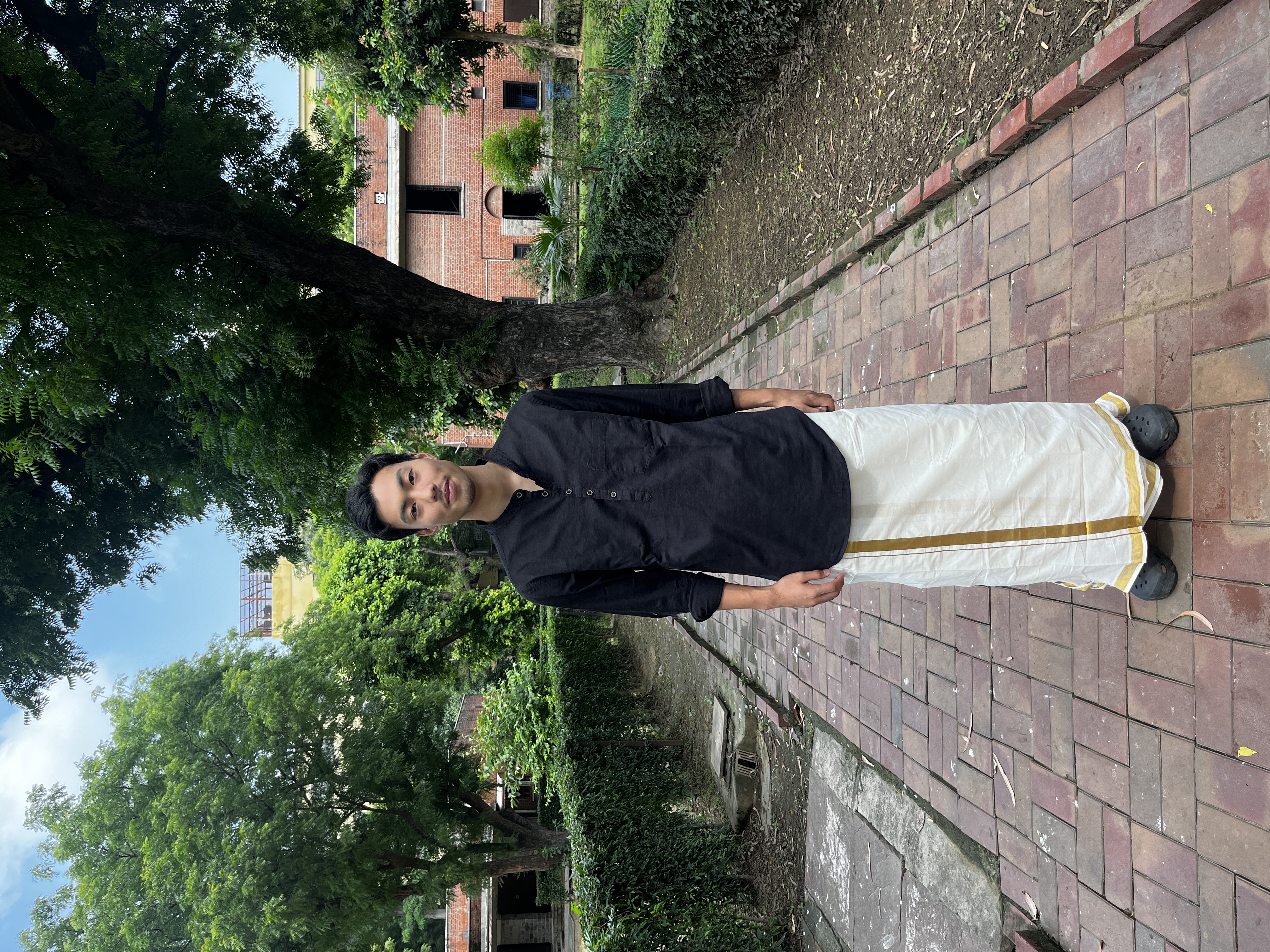
< Faculty of International Liberal Arts Department of International Liberal Arts 4 years>
Shuma Ohashi
Shuma Ohashi
- [Favorite saying]
- AAL IZZ WELL
- [Personality]
- Full of curiosity, active, cheerful and cheerful
- [hobby]
- Driving, listening to music (J-pop), singing, walking
- [Books I've read recently]
- Flowers for Algernon / Daniel Keyes
Pickup
Three initiatives to approach the SDGs from an economic perspective will be implemented within the university.
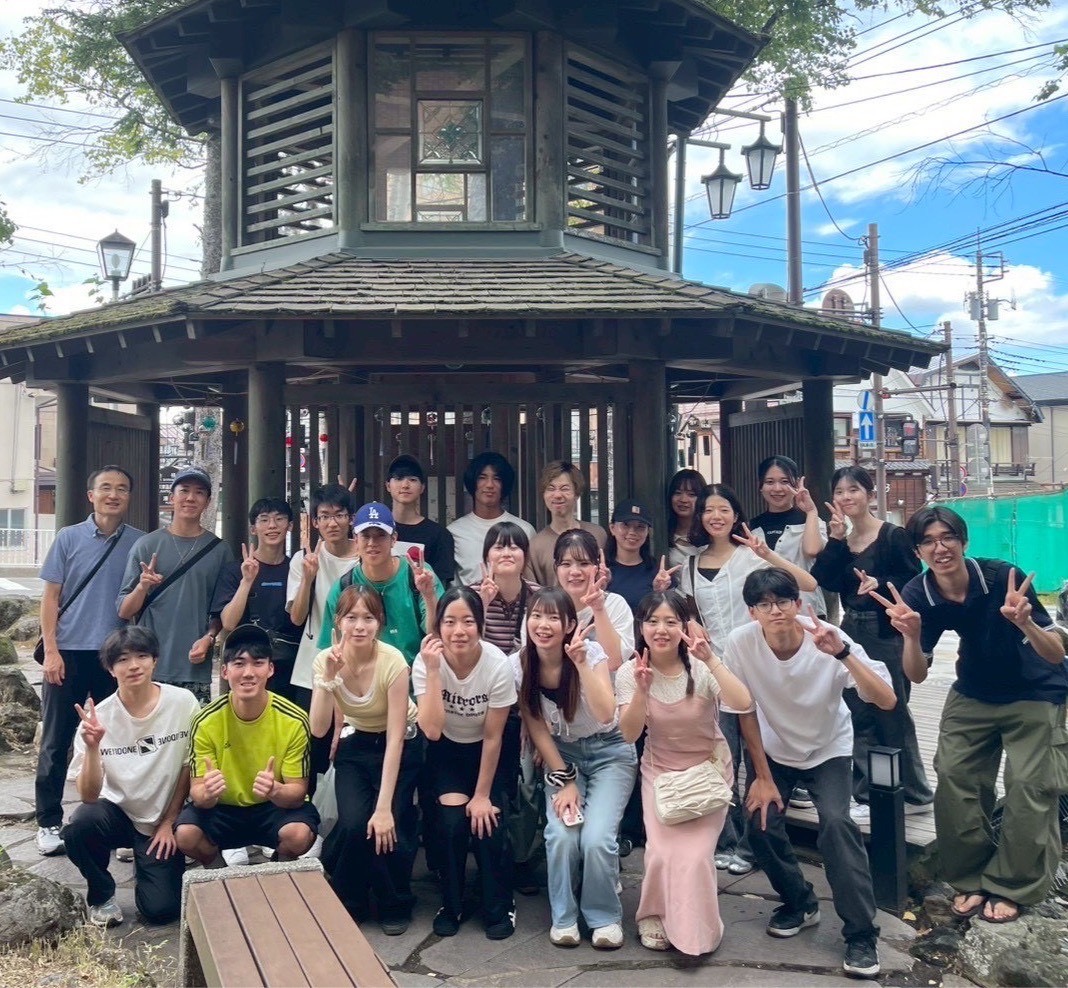
Collaborating with students at a local, cutting-edge educational institution to tackle local issues
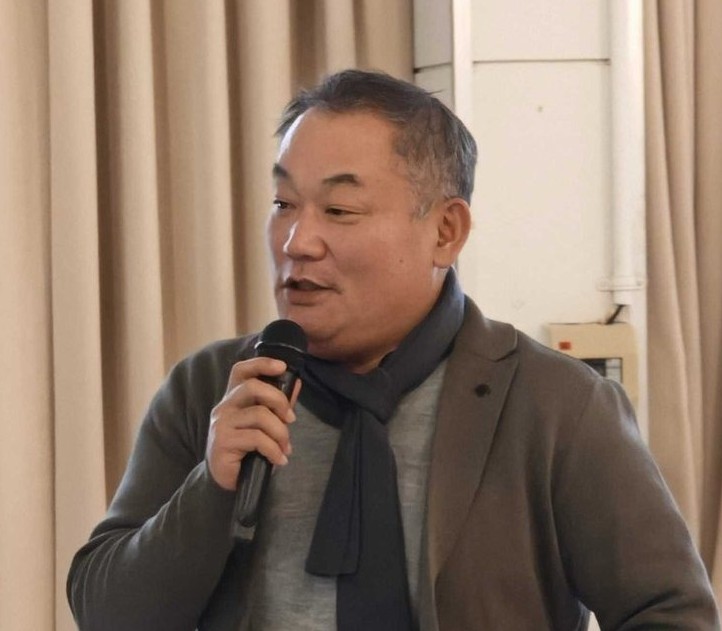
Passing the difficult Tokyo Metropolitan Government employee exam: 4 years of growth fueled by setbacks

Learning Russian and building a bridge of peace in these difficult times
Halal food truck sales realized from multicultural coexistence exhibition


