

Three initiatives to approach the SDGs from an economic perspective will be implemented within the university.
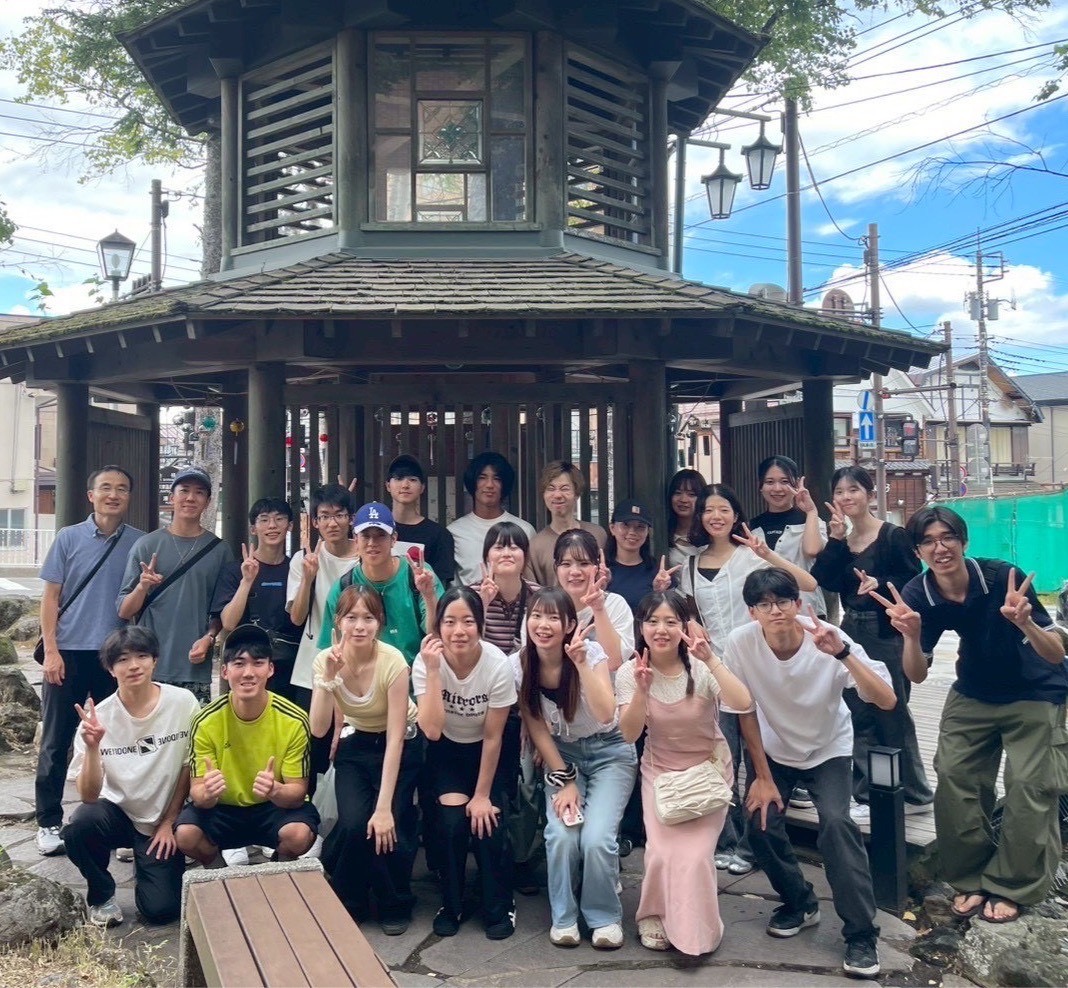
Activity 1: Promoting waste sorting through visualization!
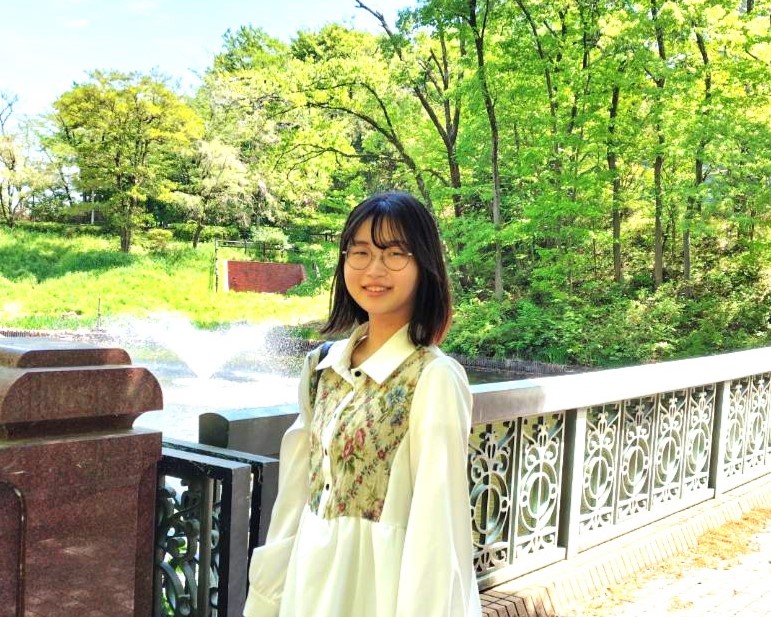
Saki Takikawa :Faculty of Economics Department of Economics 4th year
Activity 2: Discount with Your Own Cutlery!
Kimihiro Horinouchi :Faculty of Economics Department of Economics 3rd year
Wakana Mie :Faculty of Economics Department of Economics 4th year
Activity 3: Food Loss Reduction Measures Using AI
Shinji Kataoka :Faculty of Economics Department of Economics 3rd year
Soka University is promoting initiatives aimed at building a sustainable campus to achieve the SDGs. In the Faculty of Economics Chonabayashi Seminar, three groups planned and implemented initiatives to encourage actions to reduce environmental impact on campus. Two of these awards are highly regarded both inside and outside the university, including awards through award systems hosted by external organizations. We spoke with representatives from each group about the content of their initiatives and the insights gained from them.
Please tell us why you chose "Activity ①: Promoting waste sorting through visualization!" as your theme.
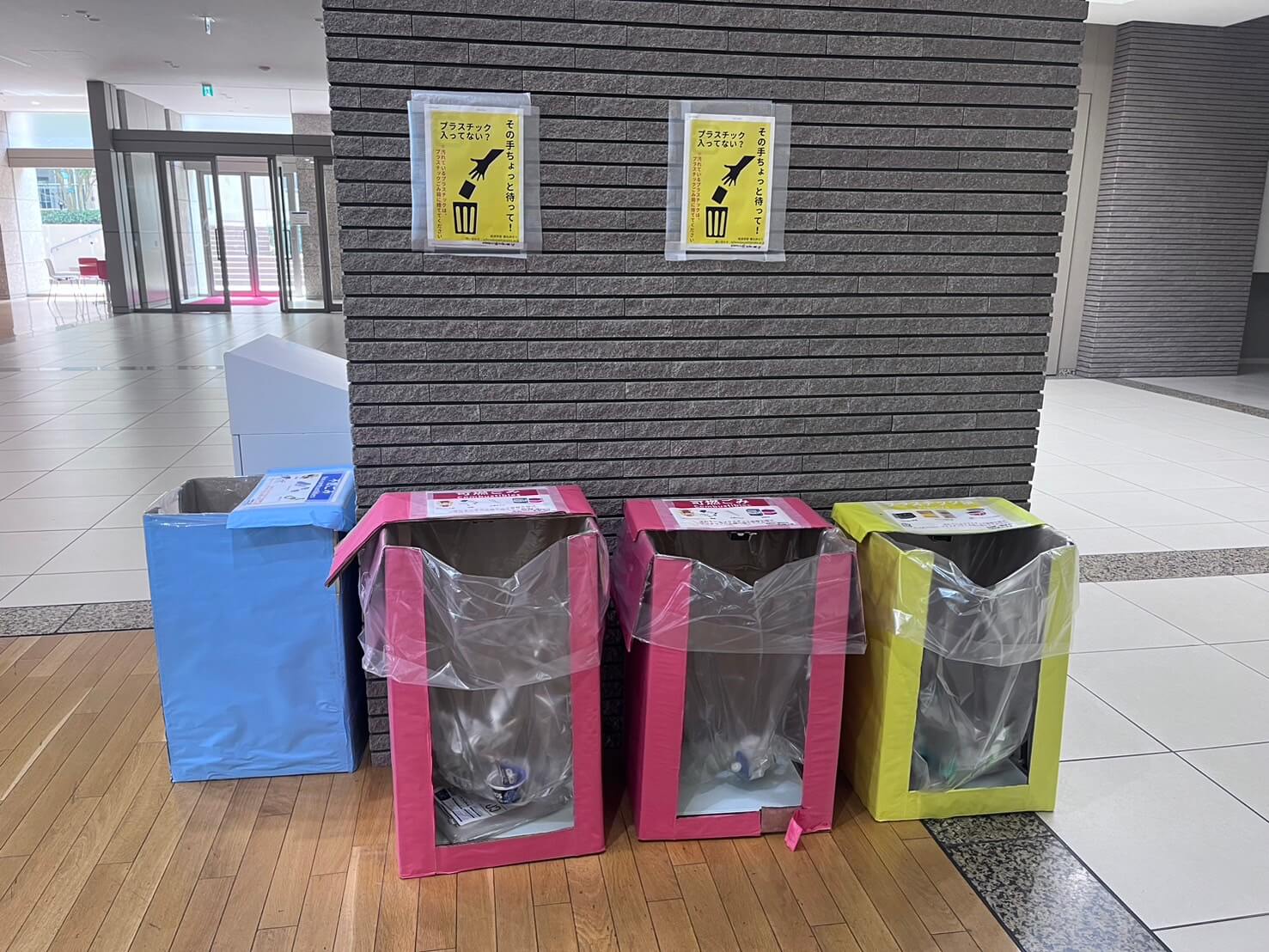
Takigawa: It all started with interviews with the cleaning staff on campus. I learned that plastic waste was mixed in with the combustible waste and that they were sorting it all by hand. I felt that someone was bearing this burden behind the scenes of the waste that students produce on a daily basis, and I wanted to do something about it.
A survey of students revealed that over 80% believed that "dirty plastic must be disposed of as combustible waste." However, waste on campus is classified as commercial waste, meaning that even dirty plastic is considered plastic waste. Recognizing the need to change this mistaken assumption, we embarked on a project to "visualize waste."
What specific initiatives did you undertake?
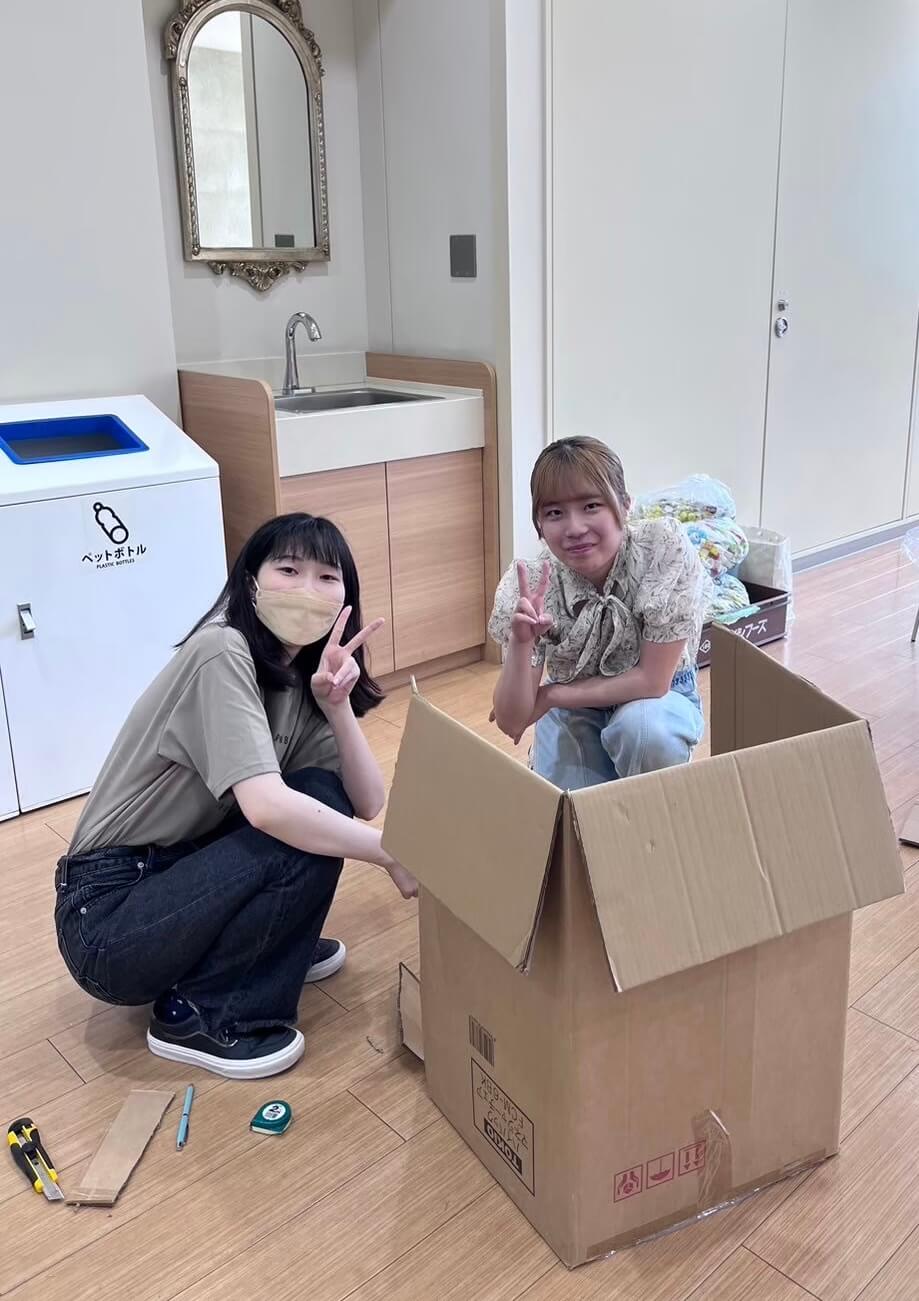
Takigawa: We replaced the trash cans in front of the Lawson convenience store on campus with transparent trash cans that we made ourselves, posted educational posters showing the correct sorting methods, and collected data before, during, and after the initiative to statistically analyze student behavior. Plastic is light but bulky, and mass alone does not capture the reality, so we collaborated with an external company to collect data using measuring instruments and sensors, and compared it with trash cans where the initiative was not implemented, verifying the effect using a method called DID analysis. As a result, we were able to confirm that the volume of combustible waste decreased by 1.7%, and that incorrect sorting was corrected.
Have you encountered any difficulties during your activities?
Takigawa: There were some unexpected problems, such as a sensor falling into the trash can and causing an abnormal reading, and server equipment placed near the trash can being mistaken for a suspicious object and removed, but each time the seminar students worked together to solve the problem.
Furthermore, since we knew in advance that the responsibilities for the planning, execution, analysis, and presentation phases would change due to things like studying abroad, we made efforts to ensure that the members' enthusiasm didn't wane by devising ways to share information and meeting minutes, and by conducting detailed handovers.
What did you learn from this project?
Takigawa: I learned that in order to prevent behavioral change from being temporary, a broader perspective is needed, including institutional design, landscape, and costs. We were able to achieve some results during the implementation period of the measures, but after the removal of the transparent trash cans and posters, the effects did not last, and there are still challenges in fundamentally improving the issues that were our initial concerns, such as "reducing the burden on cleaning staff" and "incorrect understanding of sorting." We could consider permanently introducing transparent trash cans and posters, but I think the reason they haven't been introduced until now may be due to considerations for the landscape.
Please tell us why you chose "Activity ②: Get a discount by bringing your own cutlery!" as your theme.
Ms. Mie: Disposable chopsticks are used daily on campus. However, I learned that about 90% of the disposable chopsticks distributed in Japan are imported and produced by cutting down forests. This made me want to look beyond the issue of waste reduction and also consider the environmental impact behind it.
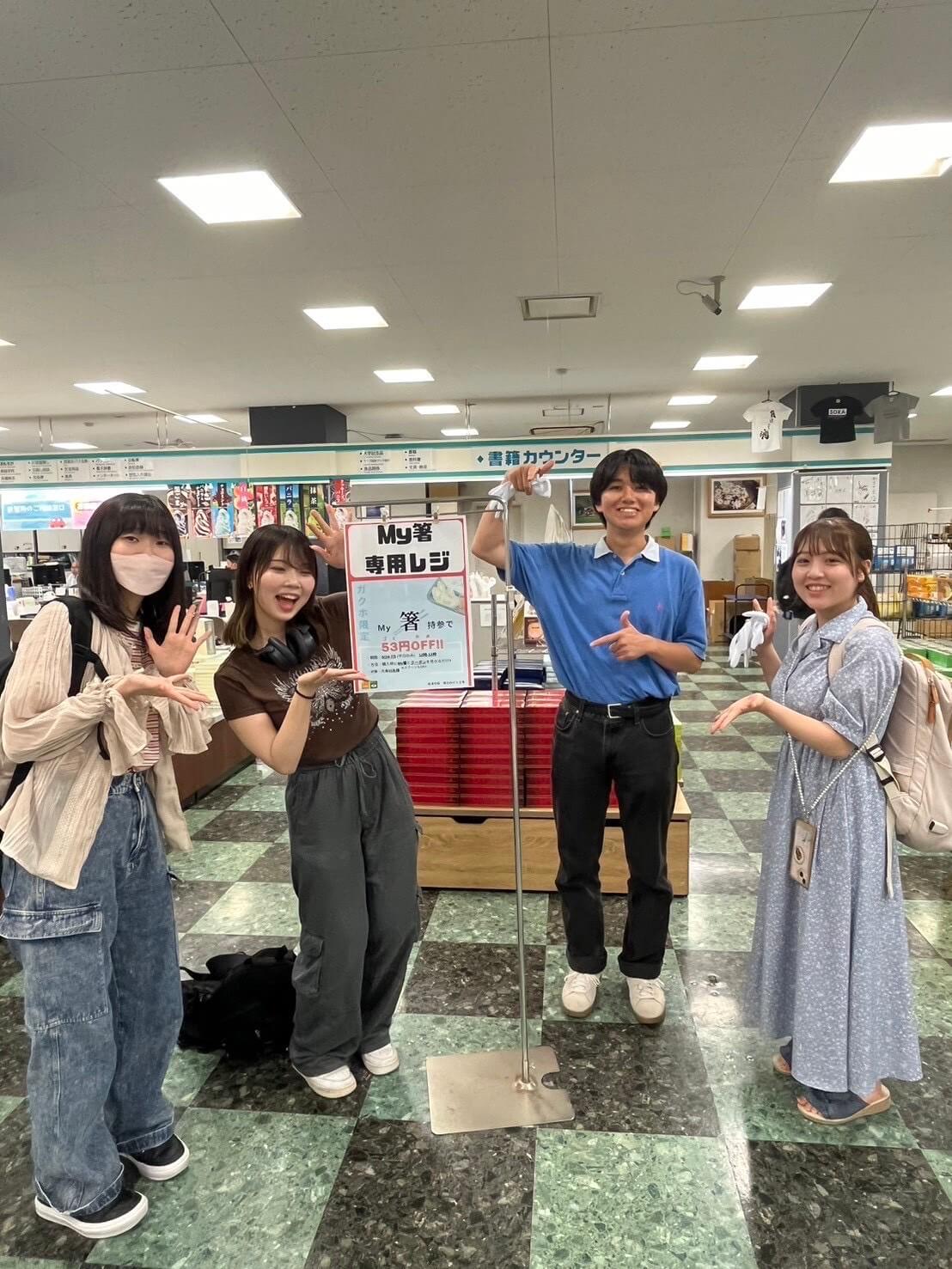
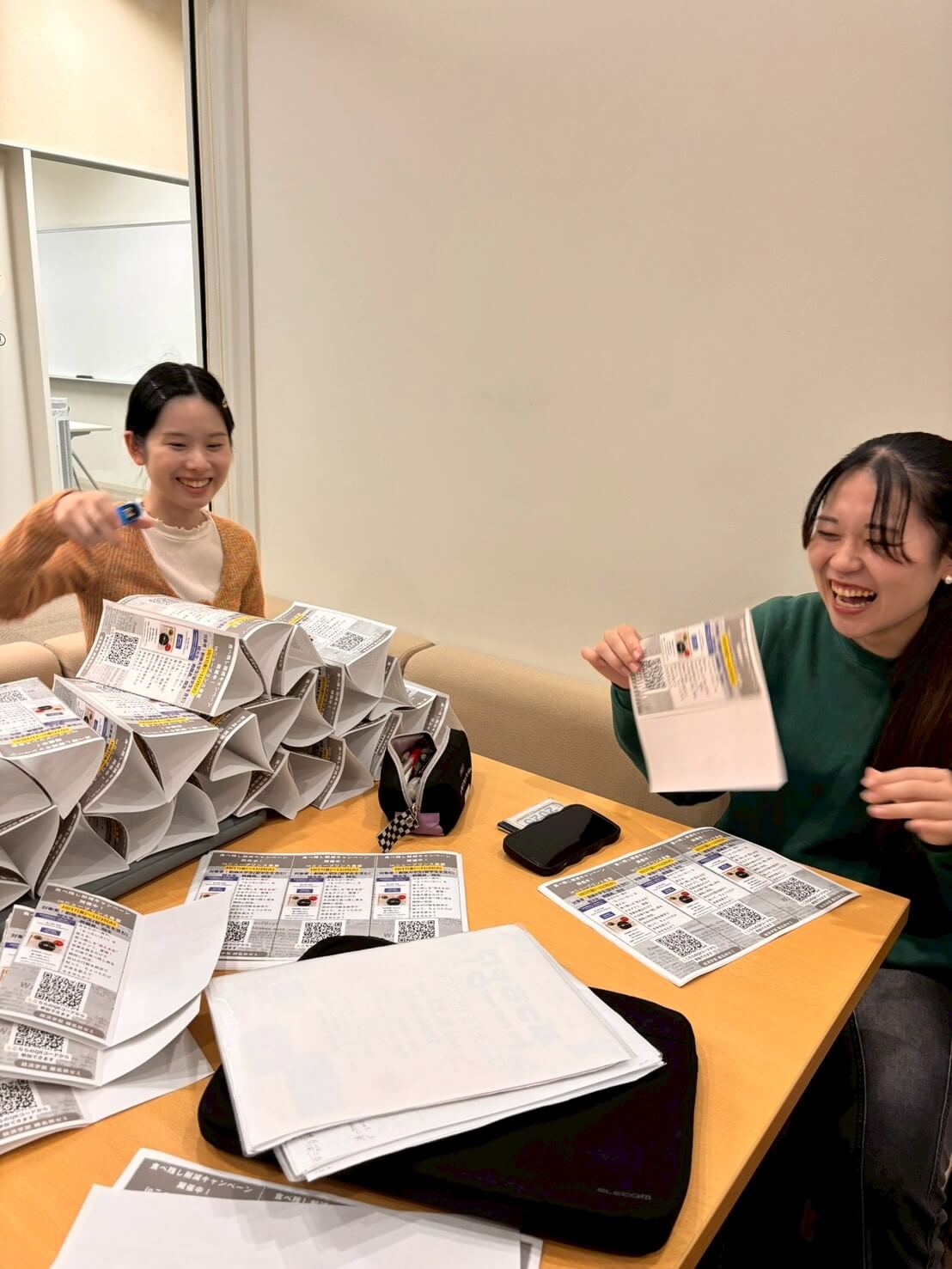
A preliminary survey conducted among students revealed that a staggering 72% of them do not consistently bring their own cutlery. Even though they know it's good for the environment, they can't seem to take action. To overcome this barrier, we introduced a discount as an "incentive."
What specific initiatives did you undertake?
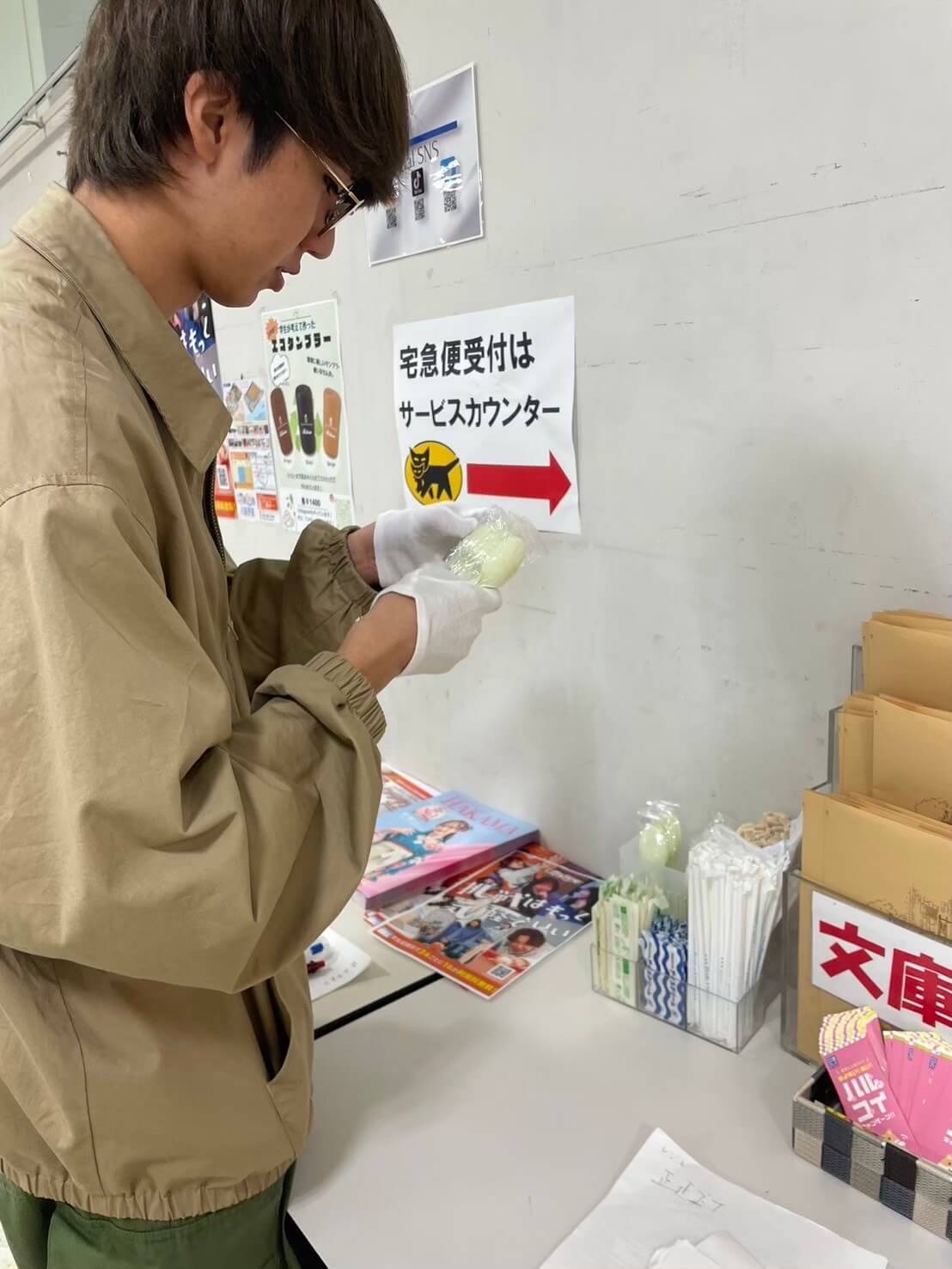
Ms. Mie: We implemented a policy to offer a discount on lunch fees to students who brought their own cutlery during lunchtime. We conducted two separate studies, one in the spring semester and one in the fall semester, comparing the data before, during, and after the discount policy to see if it was truly effective.
Horinouchi: When we actually tried it, the 53 yen discount we introduced in the first semester didn't have the effect we expected. After that, we conducted another survey of students to find out the appropriate amount, and decided to make the most of the budget, so we increased the discount to 100 yen in the second semester, and we were able to confirm a change in behavior.
Ms. Mie: Based on these results, I think that to sustainably encourage people to bring their own cutlery, measures using negative incentives to avoid losses, such as charging for plastic bags, might be more effective than positive incentives such as discounts.

Please tell me about any difficulties you've encountered during your activities.
Horinouchi: In measuring the effects, we used the programming language "R" to analyze the results and discuss them. We had to read the collected data, remove the noise, and extract only the results we really wanted to see, and we had to learn a programming language for this initiative, which was challenging. However, this kind of self-directed learning allowed us to feel our own growth firsthand, so although it was difficult, it also motivated us.
Please tell us why you chose "Activity ③: Food waste reduction measures utilizing AI" as your theme.
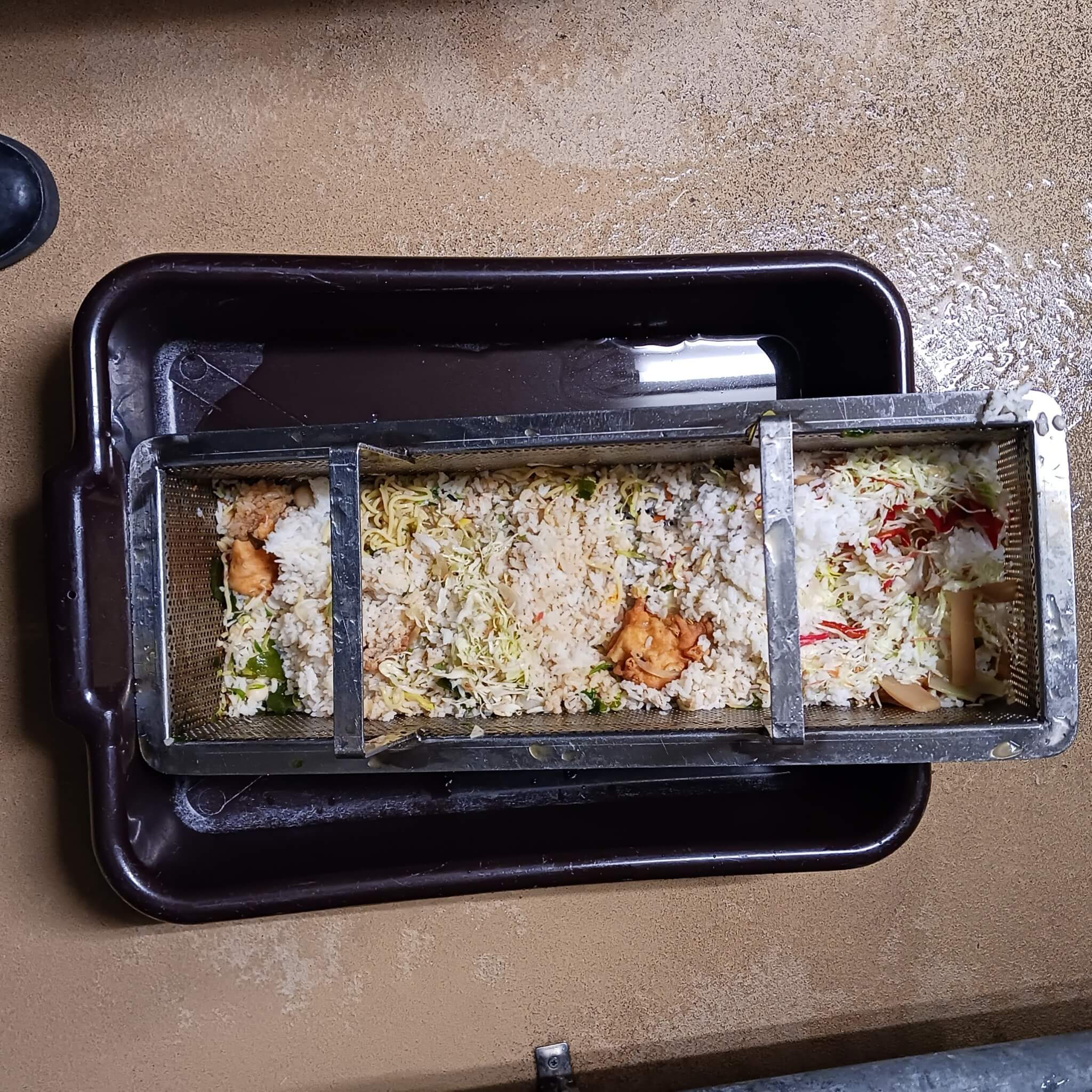
Kataoka: Food waste in Japan amounts to 4.64 million tons annually (FY2023). So, we started thinking, "What can we do starting from our own local area?" When we interviewed university cafeteria staff, we learned that a certain amount of food was left over every day, and we began to think about measures to reduce it. We thought that simply having a sense of obligation not to leave food uneaten wouldn't be enough to sustain the behavior, so we turned our attention to AI. Students are very interested in AI, so we thought that if we designed food waste reduction as an "interesting system using AI," we could encourage behavioral change with a positive motivation.
What kind of system did you create?
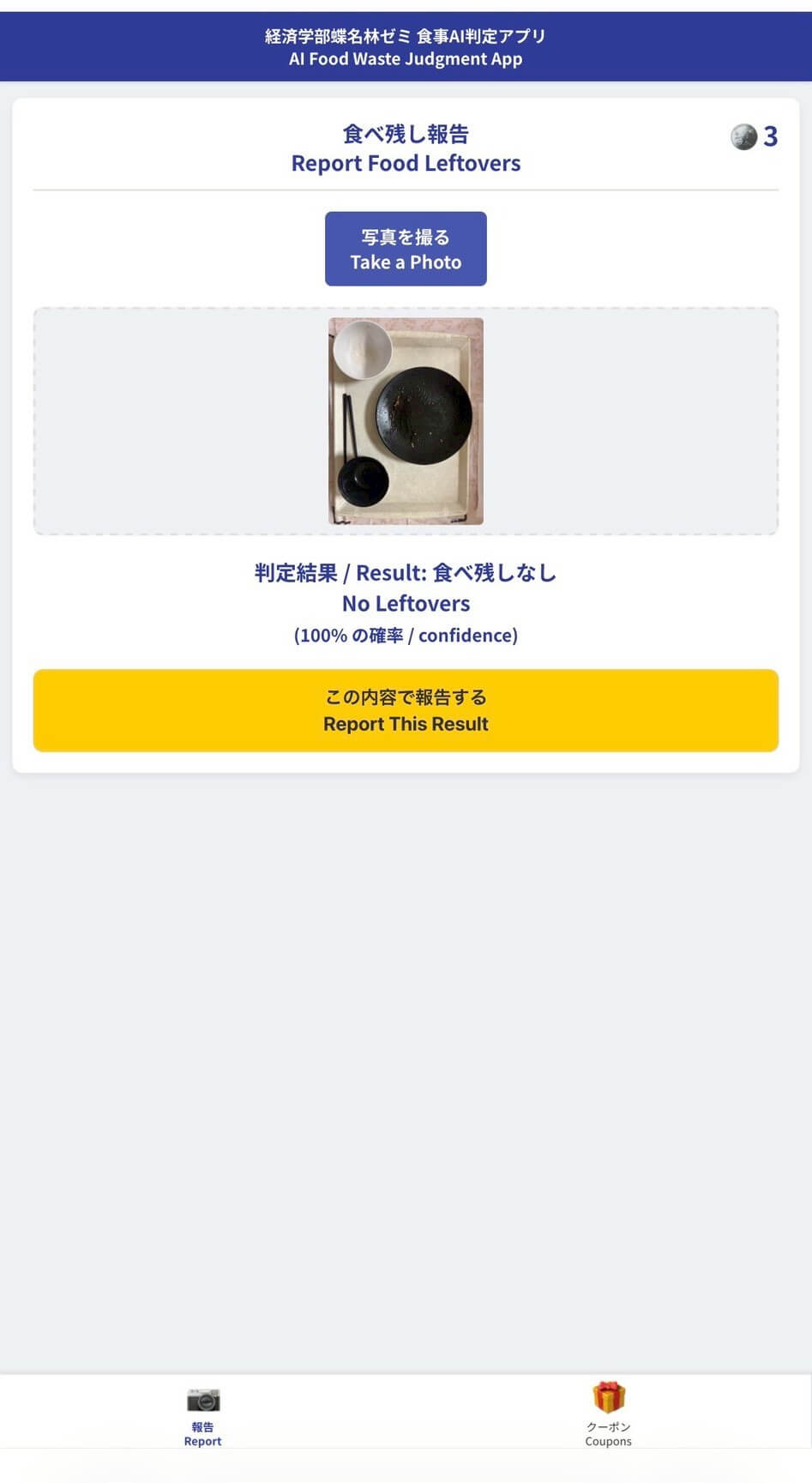
Kataoka: We developed an app where, after students finish eating, they take a picture of their plate, and the AI determines whether there is "zero leftover food." Specifically, we created an image recognition model using Google's Teachable Machine and trained it with images of "plates with leftover food" and "plates that were completely finished." We then implemented this model as a web application by integrating it with Google Apps Script.
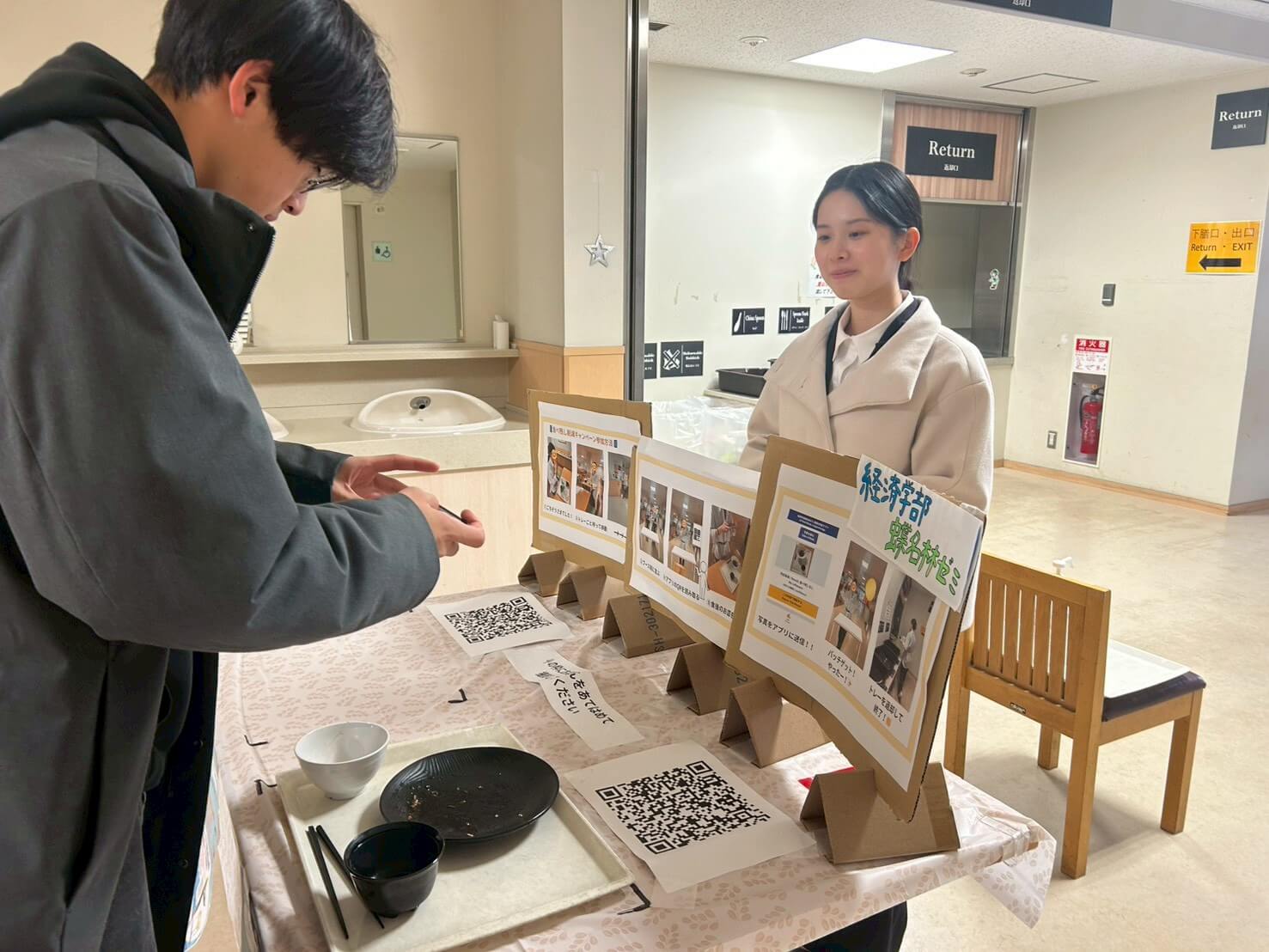
When users take a photo with their smartphone, the result is displayed immediately, and the data is automatically recorded. Points are awarded if the system determines there is "zero food waste," and once a certain number of points are reached, users can receive a free side dish or a free extra-large portion. The goal was to create a system that encourages participation, rather than simply raising awareness.
Have you encountered any difficulties during development or operation?
Kataoka: Developing the app was the most challenging part. We utilized generation AI, but we had to go through error correction and redevelopment more than 200 times, and we ultimately trained it with over 1,000 image data to improve the accuracy of the judgment. In addition, to prevent fraud such as taking pictures of third parties' plates, we set up a dedicated photo booth and assigned personnel to check the photos.
During the approximately three-week trial period, there was initially a high number of users due to its novelty, but as time went on, usage tended to decline. To encourage continued use, I believe operational improvements such as incentive design, outreach, and social media promotion are essential.
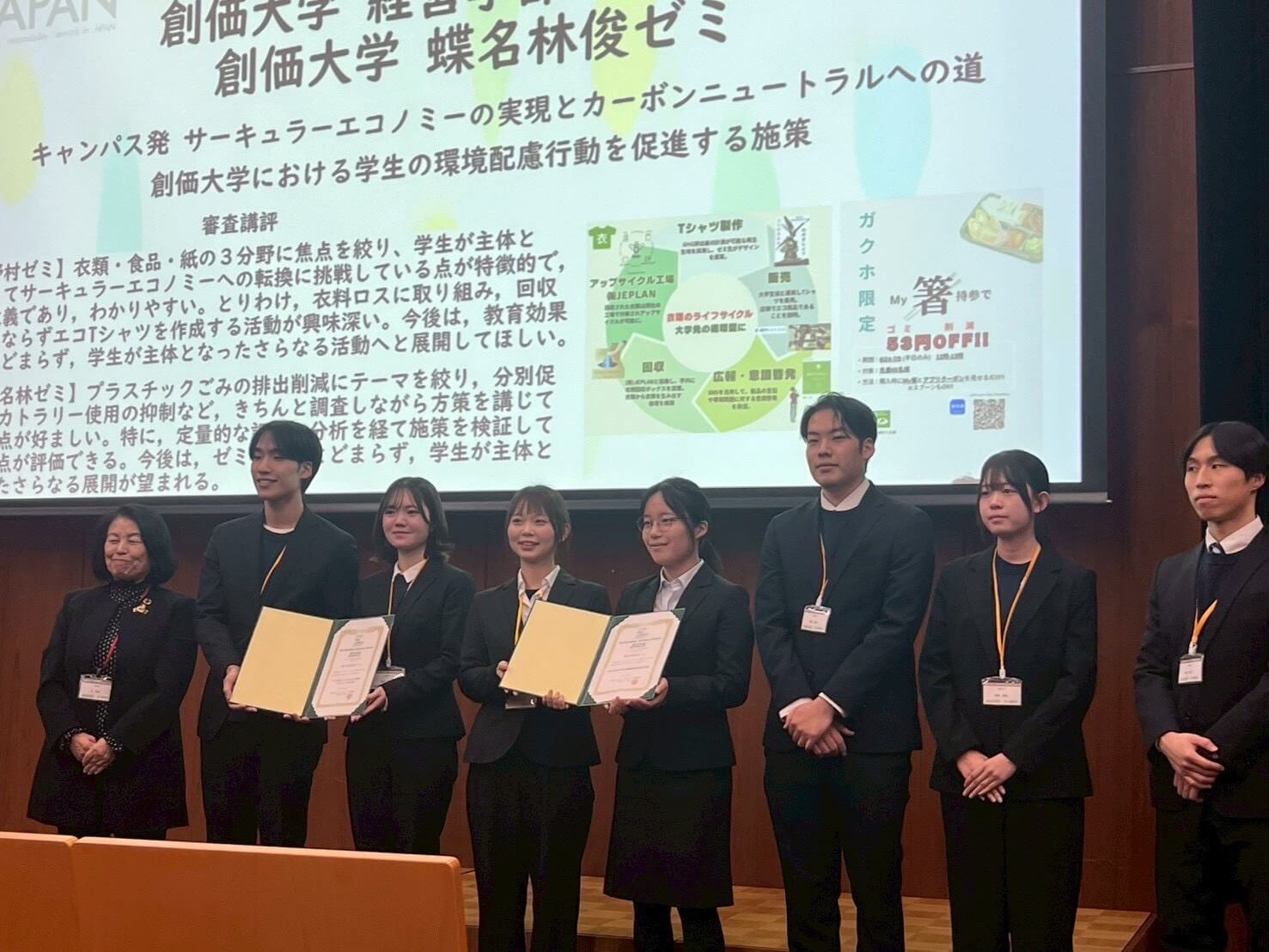
In the Student Activities category of the Sustainable Campus Award 2025, hosted by the Sustainable Campus Promotion Council (CAS-Net JAPAN), we received awards such as "Promoting waste separation through visualization!" and "Discounts for bringing your own cutlery!" Faculty of Business Administration Could you share your thoughts on winning the Newcomer Award along with the efforts of the Nomura seminar?
Takigawa: Initially, we applied separately from Professor Nomura's seminar, but the organizers suggested that we apply for the award jointly. We felt that presenting our work as an initiative of Soka University would have greater value, so we decided to accept the award together. We were happy to receive the Newcomer Award and participate in the awards ceremony at Hokkaido University, as our work was recognized outside of the university. As students of Soka University, we were proud to have conducted research that we could propose to society.
Ms. Mie: As this was Soka University's first time receiving this award, I felt very proud when I attended the awards ceremony. Having our efforts in completing one initiative recognized as an achievement for the entire university gave us a great deal of confidence. Also, the day before the awards ceremony, a campus tour was held at Hokkaido University, where we had the opportunity to eat together with participants and professors from other universities and have frank conversations, which was very stimulating.
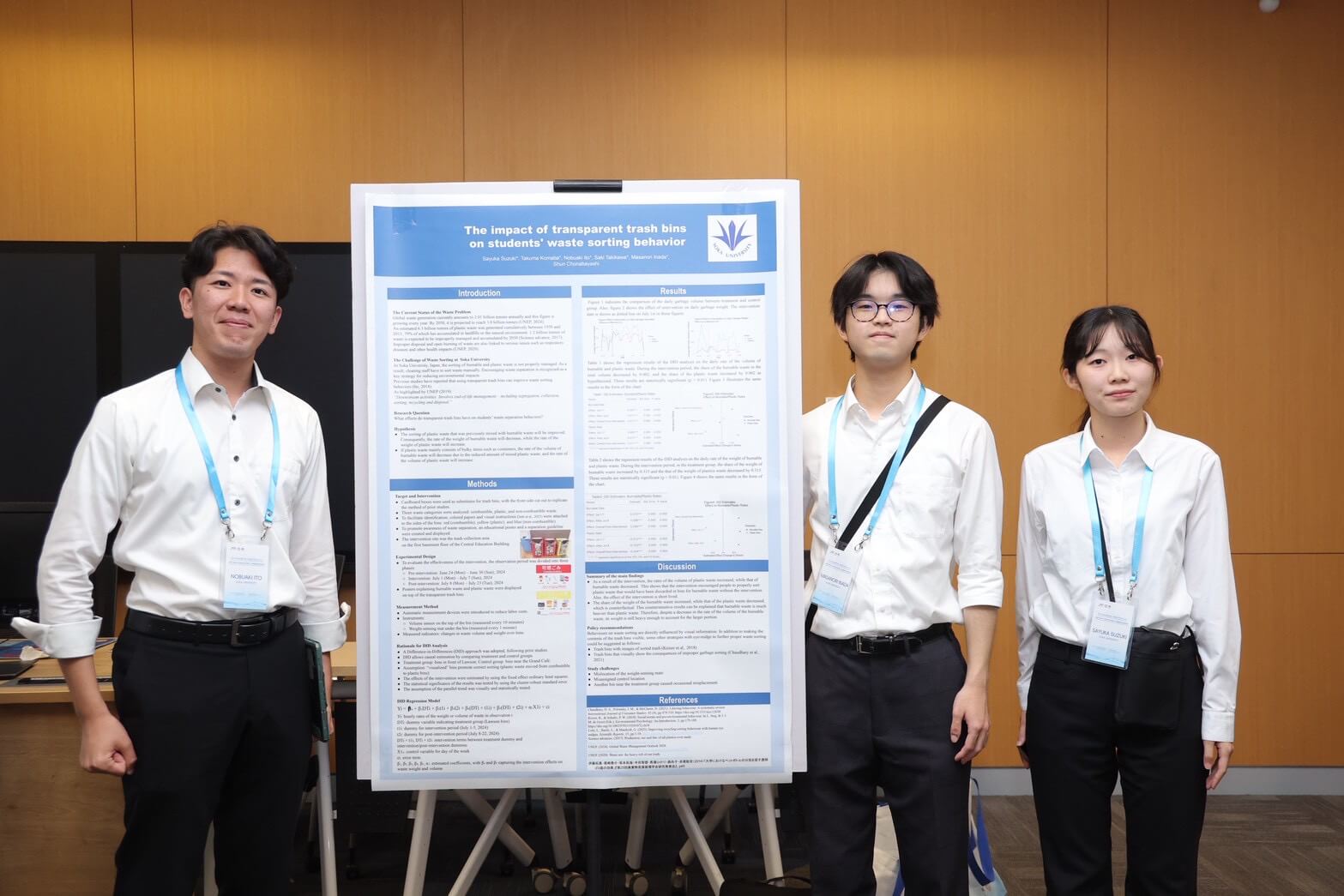
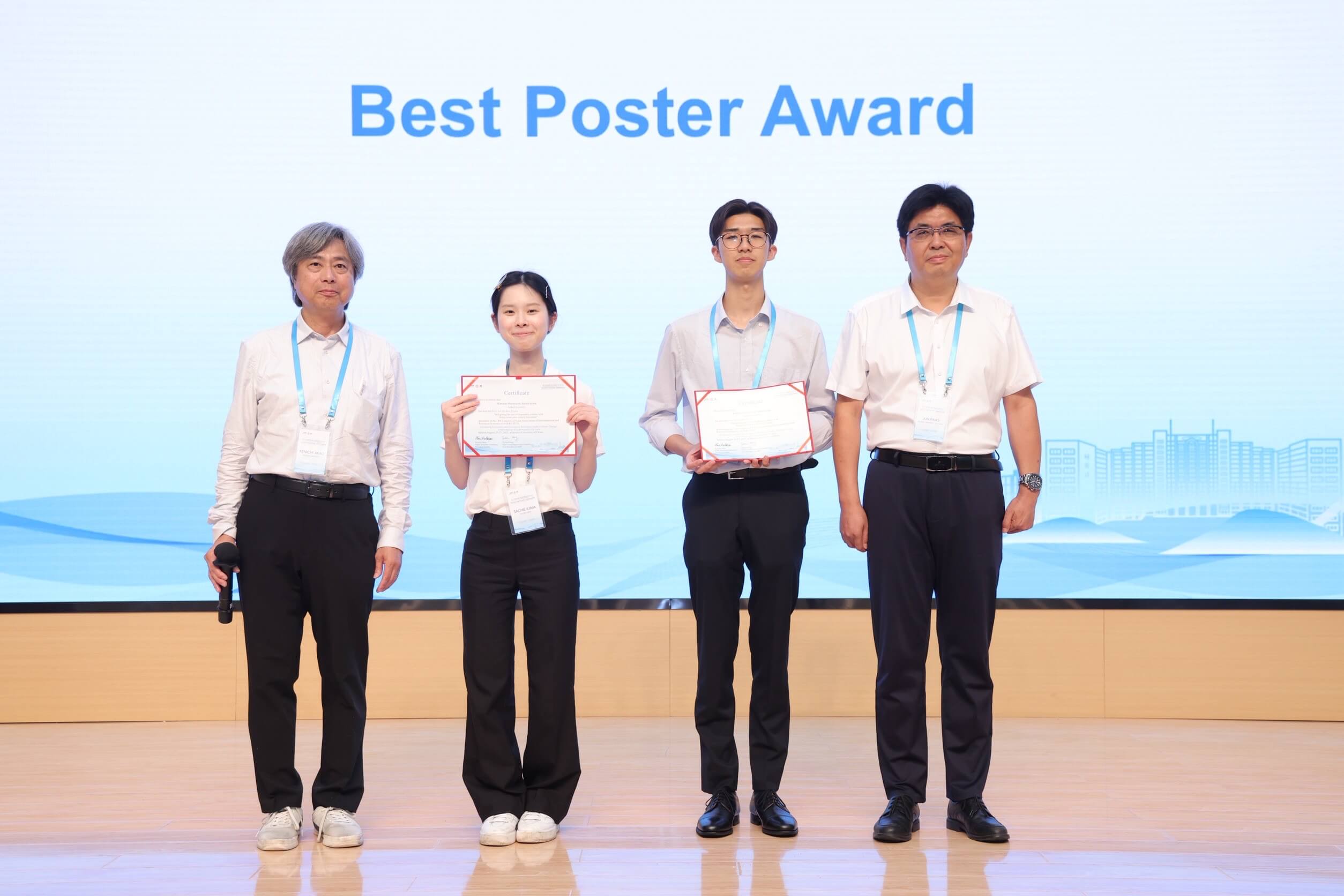
Your "Bring Your Own Cutlery for a Discount!" initiative also won the Best Poster Award at the poster session of the Asian Society for Environmental and Resource Economics held in Beijing.
Horinouchi: Poster sessions allow for a long time to answer questions about the presentation, so I anticipated every possible question and prepared to answer them all in English. It was my first time presenting my research findings overseas, and many of the other participants were doctoral students and were at a high level, so I was intimidated at first. However, I didn't want to waste this opportunity, so I changed my mindset to be grateful just to be able to participate. After it was over, I was completely exhausted and couldn't do anything, and when my name was called during the announcement of the award winners, I honestly couldn't believe it and froze (laughs). I couldn't have achieved this without my classmates, seniors, and professors who were involved in this presentation, so I'm filled with gratitude.
Please share what you feel you have "grown" through your studies in the Chonabayashi seminar.
Takigawa: "The ability to balance kindness and results." Previously, when working in a team, I thought that prioritizing results would ruin relationships, and prioritizing kindness would lead to complacency. However, in the Chonabayashi seminar, we respect each other while thoroughly focusing on our own roles. We have honest discussions while never forgetting to respect others. I feel that I have acquired a "good kind of kindness" in such an environment.
Ms. Mie: Originally, I was the type of person who didn't like to rely on others and would try to handle everything myself. But as I implemented this initiative, people around me came to check on my progress and offered their help voluntarily, which made me stop being afraid to ask for help. I realized that "relying on others is not a sign of weakness," and now I believe that by combining the strengths of our team members, we can achieve results beyond our imagination.
Horinouchi: I believe that I developed true initiative in bringing things to fruition while collaborating with those around me. I think the greatest strength of the Chonabayashi seminar is that students can freely study on themes they are interested in. However, because of this freedom, we have to make our own decisions about everything from how to conduct our research to how to manage it. Professor Chonabayashi carefully supports the diverse efforts of the seminar students, so we were able to continue taking on high-level challenges that we wouldn't have been able to experience as undergraduate students.
Kataoka: I've developed the ability to approach challenges as if they were my own and see them through to the end. In particular, this project had many challenges that didn't go as planned, such as issues with the accuracy of the AI's judgments and scheduling, and there were many instances of trial and error. However, I feel that I've developed the ability to think about how to improve things rather than compromising when problems arise, and to discuss and resolve them with the team members.
Looking back on your university life and Faculty of Economics learning, please share a message for the juniors aiming to become Soka University.
Takigawa: Throughout my university life, I've tried to jump into anything that seemed interesting. I tried things without assuming I couldn't do them, and gradually increased what I could do. If you feel excited, take a step forward, even if it's just on impulse. That accumulation will lead to growth and encounters you never imagined. At Soka University, I encourage you to throw yourself wholeheartedly into all sorts of things, worry, suffer, and have a great time.
Horinouchi: I originally disliked studying, but as I continued my studies at university, I grew to love learning. Now I'm taking advanced courses and even going abroad to study, and I'm surprisingly proactive in my learning. I think this is largely due to the many excellent and friendly professors and staff members. There are people around who will listen attentively to your future career path and everyday worries, so believe in your own potential and try out various things.
Mie: I think the best thing about Soka University Faculty of Economics is having peers who can help each other improve. Thanks to that, I was able to attend an exchange program, which I had felt was too difficult for me. Even if you don't have a clear dream, this faculty offers practical and multifaceted learning to contribute to society based on economics, so if you're unsure, give it a try! When you look back upon graduation, you will revisit experiences you never expected and discover your shining self.
Kataoka: Soka University provides an environment where you can seriously pursue what you want to do. Even if you fail, you can work with your professors and classmates to come up with the next best solution, and you will grow with every step you take. So please, don't be afraid of failure and take on challenges. Here, you will find people and an environment that will support your challenges. I hope you will find your own unique learning experience during your university life.
< Faculty of Economics Department of Economics 4 years>
Ayaki Takigawa
Saki Takikawa
- [Favorite saying]
- You can't change other people or the past, but you can change yourself and the future.
- [Personality]
- curious
- [hobby]
- Watching a movie
- [Books I've read recently]
- Sayonara Itsuka / Naruhito Tsuji
< Faculty of Economics Department of Economics 3 years>
Horinouchi Kimihiro
Kimihiro Horinouchi
- [Favorite quote]
- try as hard as one can
- [Personality]
- I think she has a cheerful personality and is always smiling!
- 【hobby】
- Watching movies and traveling
- [Books I've read recently]
- Behavioral economics is the most powerful field of study / Namika Sagara
< Faculty of Economics Department of Economics 4 years>
Wakana Misae
Wakana Mie
- [Favorite quote]
- connecting the dots/Steve Jobs
- [Personality]
- I'll seize any opportunity, no matter what!
- 【hobby】
- trip
- [Books I've read recently]
- Speak in One Minute / Yoichi Ito
< Faculty of Economics Department of Economics 3 years>
Shinji Kataoka
Shinji Kataoka
- [Favorite quote]
- never say never
- [Personality]
- gentle
- 【hobby】
- Watching sports
- [Books I've read recently]
- Learning the founding spirit / Daisaku Ikeda
Pickup
Protecting African children from infectious diseases: The challenge of "Waka Waka Kenya"
Dedicated herself to the New York screening of a film depicting the atomic bombing of Nagasaki — a new career forged after raising children
To create a world where no one is left behind, we'll transform classroom knowledge into practical skills.
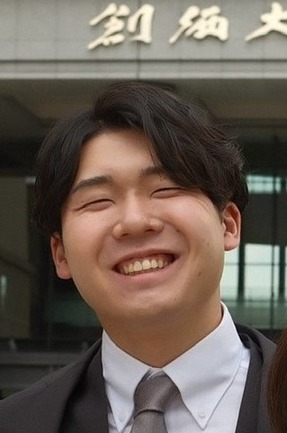
Drawing strength from his studies and encounters at Soka University, he joined Japan's largest general trading company.
We launched and published 'CanSta', a sustainable action platform created by students for students.