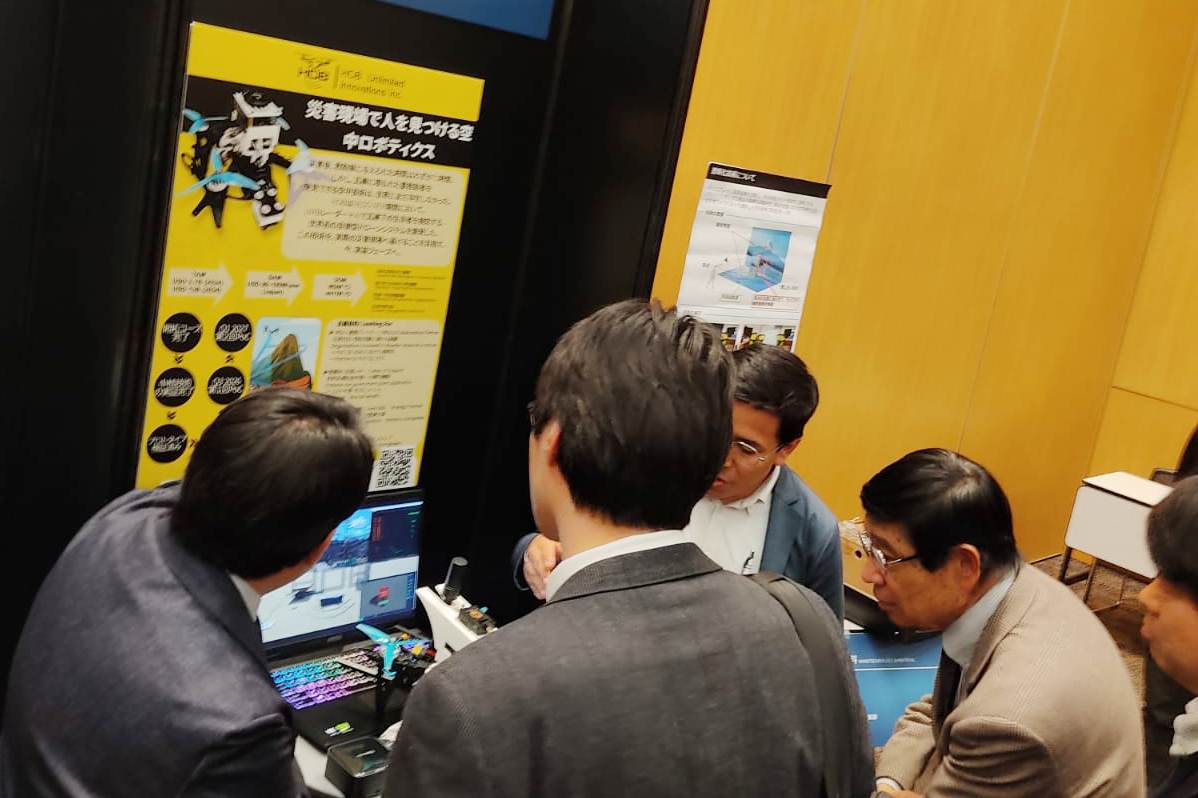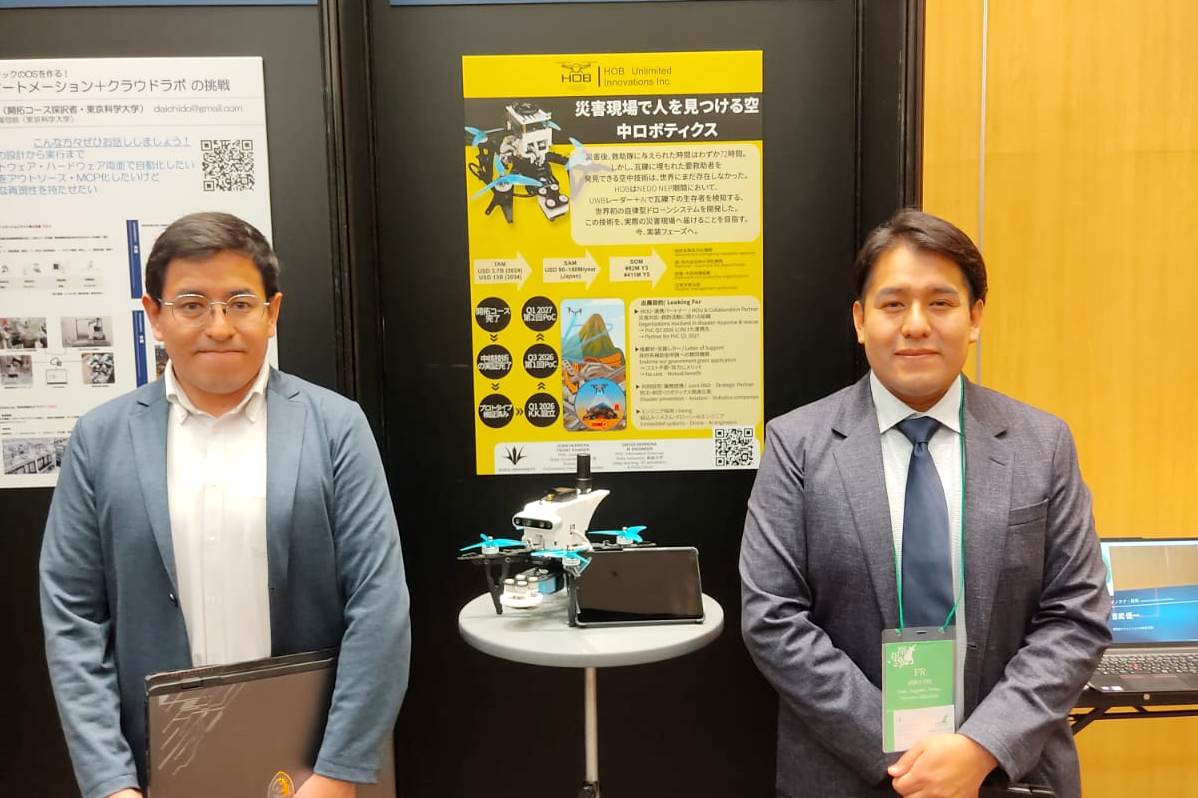


理工学研究科の博士後期課程の学生がNEDO「NEP(開拓コース)」に採択!
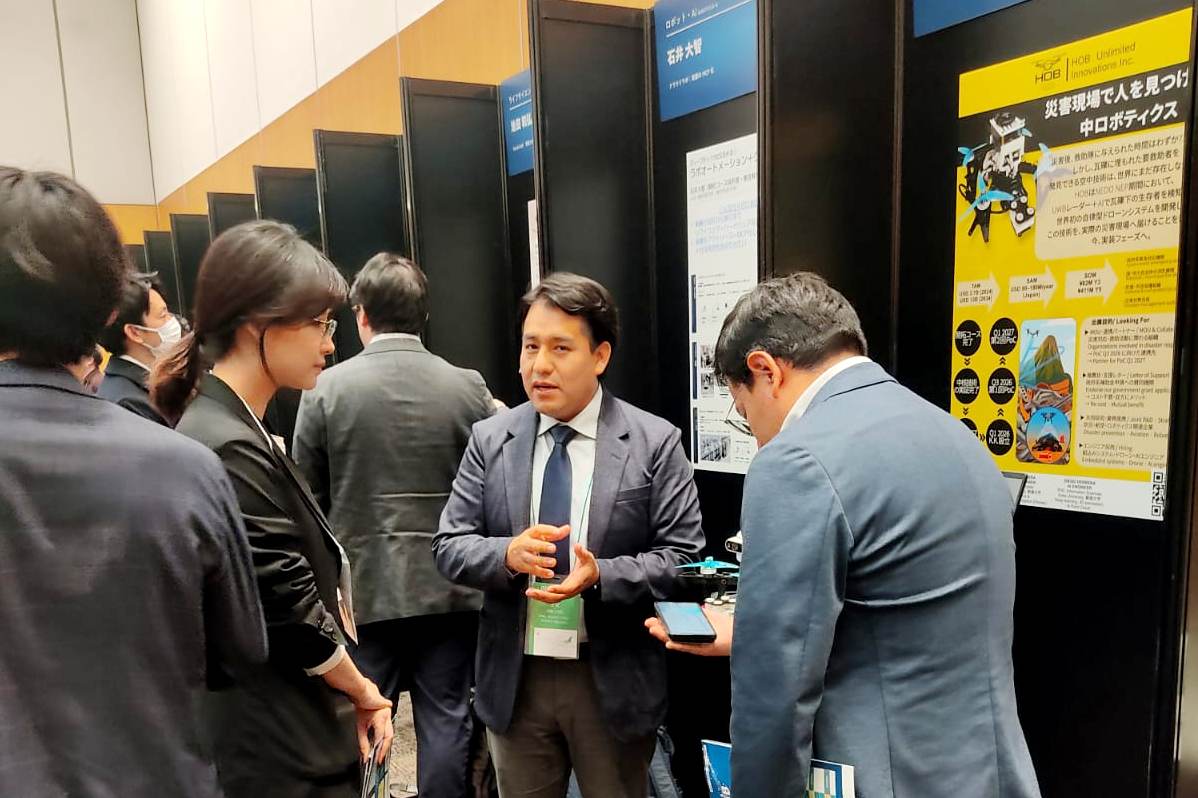
NEDO「NEP(開拓コース)」を経て、博士後期課程学生らが災害救助ドローン技術の社会実装へ
創価大学大学院理工学研究科の博士後期課程学生らが、災害救助用ドローン技術の社会実装を目指しスタートアップを設立
国立研究開発法人新エネルギー・産業技術総合開発機構(NEDO)が実施するディープテック分野の起業家育成プログラム「NEDO Entrepreneurs Program(NEP)/開拓コース」において、創価大学大学院理工学研究科情報システム工学専攻博士後期課程3年のフアン・アウグスト・ハインズ・エレラ・オヤチカ(Juan Augusto Heins Herrera Ollachica)さんが、起業家(フロントランナー)として採択されました。
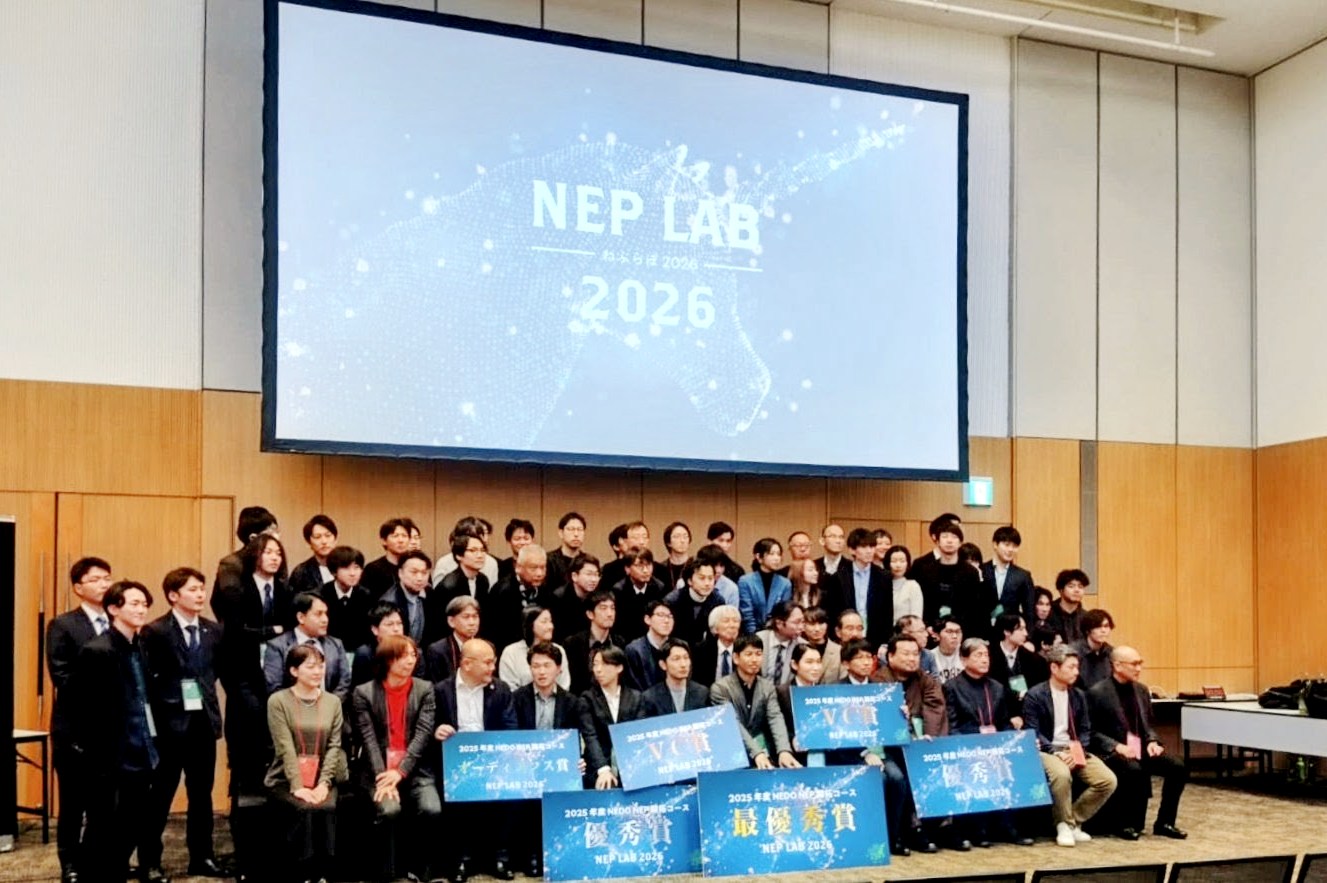
本プロジェクトは、当時同じく創価大学の博士課程に在籍していた共同創業者のディエゴ・アルベルト・エレラ・オヤチカ(Diego Alberto Herrera Ollachica)さん(2025年9月博士課程修了)とともに申請したものです。全国から寄せられた多数の応募のなか、書面審査を通過した136件が口頭審査へと進み、最終的にフアンさんのプロジェクトを含む58件がフロントランナーとして選出されました。プログラムは2025年4月に開始され、2026年3月に開催された成果報告会「NEP-Lab(ネップ・ラボ)」をもって終了しました。
本プロジェクトは、創価大学の今村弘樹教授の研究室で進められてきた、UWB(超広帯域)による生体検知の研究を基盤としています。フアンさんとディエゴさんはプログラム期間中、瓦礫の下に埋もれた生存者を捜索・特定することを目的に、UWBレーダーを搭載した自律型ドローンシステムのプロトタイプを開発・実証しました。
また、経験豊富な伴走者(カタライザー/メンター)による支援を受けながら、約1年間にわたりビジネスモデルの構築や商用化戦略の検討を進めました。その成果として、両名はスタートアップ企業「HOB Unlimited Innovation株式会社」を設立しました。NEDOの伴走支援においても、技術面での到達度が高く評価されています。空中からのUWBレーダー検知とドローンの自律飛行を組み合わせる本システムは、災害現場における捜索活動の迅速化に貢献する技術として期待されています。
プロジェクト立ち上げの背景には、自然災害の激甚化や、紛争等に伴う人為的災害への備えの重要性が高まっていることがあります。特に、生存者救出において「発災後72時間」が重要な時間帯とされる一方、現在も人手に依存する捜索活動が多く、迅速化が課題となっています。2024年の能登半島地震などの災害から得られた教訓も、本技術の着想につながっています。
開発中のシステムは、主に3つのコア技術を統合したものです。第一に、瓦礫を透過して人体の呼吸や心拍などを検知する「UWBレーダーセンサー」。第二に、AIエージェント・アーキテクチャにより、GPSが届かない環境下でも飛行可能な「自律型ドローン」。第三に、災害現場の3Dマップ上に検知結果をリアルタイムで可視化し、救助指揮官が確認できる「AIベースの信号処理パイプラインおよび運用ソフトウェア」です。
NEPでの活動を終えたフアンさんは、次のようにコメントしています。
「学生時代から、自分の研究を社会に役立てたいと考えていました。私たちの目標は、一分一秒を争う状況下で、瓦礫の下にいる人々を救助隊が見つけ出せるツールを提供することです。そして、テクノロジーを戦争のためではなく、人類の福祉のために役立てることです。この技術が、いつの日か日本、そして世界中で命を救う一助となることを願っています。創価大学、ならびに今村研究室の継続的なサポートに深く感謝いたします。そして、『英知を磨くは何のため 君よ それを忘るるな』という創価大学の創立者・池田大作先生の指針を常に胸に、これからも前進を続けてまいります」
Soka University PhD Candidate Selected as a NEDO Front-Runner for Disaster Rescue Drone Technology
Juan Augusto Heins Herrera Ollachica, a third-year PhD candidate in the Imamura Laboratory at the Graduate School of Science and Engineering (Information Systems Science), was selected as a NEDO Front-Runner (FR) in the 2025 NEDO Entrepreneurs Program (NEP) Kaitaku Course (開拓コース), a national deep-tech entrepreneur program run by the New Energy and Industrial Technology Development Organization (NEDO). After a national document screening, 136 applicants advanced to the oral examination (interview) stage, and from these, 58 were finally selected as Front-Runners, including Juan's project. Juan applied together with his co-founder, Diego Alberto Herrera Ollachica, who was also a PhD student at Soka University at the time (he completed his PhD in September 2025), and Juan was selected as the Front-Runner. The program ran from April 2025 and concluded with the NEP-Lab results presentation event in March 2026.
The research originated at Soka University, where the UWB presence-detection principle was validated during graduate research in the laboratory of Professor Hiroki Imamura. During the program, Juan and Diego developed and tested the prototype of an autonomous drone system equipped with Ultra-Wideband (UWB) radar to search for and locate survivors buried under rubble. Through the business-model and commercialization strategies they acquired during the program, where participants build their business model over about one year alongside an experienced mentor, they finally launched their startup, HOB Unlimited Innovation株式会社 (Kabushiki Kaisha). Their mentor (Accompany-Runner), assigned by NEDO, evaluated that the team had "cleared the endpoint of its technology area." No equivalent commercial system currently combines aerial UWB radar detection with autonomous drone flight.
The project was motivated by the increasing intensity of natural and man-made disasters, including wars, and by studying the experience of the 2024 Noto Peninsula Earthquake, where the first 72 hours are decisive for rescuing survivors, yet search methods remain largely manual and slow. The system under development integrates three core technologies: a UWB radar sensor designed to detect the human body through rubble; autonomous drones that can fly in GPS-denied environments using an AI-agent architecture; and an AI-based signal-processing pipeline with operation software that lets rescue commanders visualize detections in real time on a 3D map of the disaster site.
"Since my student years, I have wanted to use my research to contribute to society," said Juan Herrera. "Our goal is to give rescue teams a tool that can find people under rubble when every minute counts, and to use technology for the welfare of humanity, not for wars. We hope this technology can one day help save lives in Japan and around the world. We are grateful to Soka University and the Imamura Laboratory for their continued support, always keeping in mind the guidance of Soka University's founder, Dr. Daisaku Ikeda: 'For what purpose should one cultivate wisdom? May you always ask yourself this question.'"