



The Future of Southeast Asian Studies:Reflections from the Research Seminar by Professor Emeritus Omar Farouk
Ichiro Sugimoto
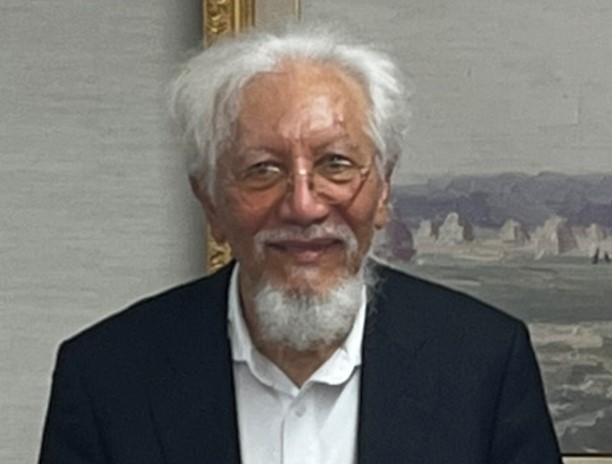
Professor Emeritus Omar Farouk
Hiroshima City University
1. Introduction: Why Students Who Struggle to Stay Awake in the Classroom Come Alive in the Field
When I look across the classroom from the podium, I sometimes see students struggling to stay awake during lectures filled with textbook-style data and historical timelines. If “Southeast Asian Studies” is understood merely as a geographical label or a list of historical facts, this reaction may be understandable.
Yet once students are taken into the living realities of Malaysia, a remarkable transformation often occurs. They walk through the narrow streets of Kampung Baru, a traditional Malay village that continues to preserve its stilt houses in the heart of Kuala Lumpur. They listen to the voices of local leaders in the lower-income residential areas of Kampung Kerinchi. At those moments, their eyes begin to shine in a way rarely seen in the classroom.
By breathing the local air and sensing the lives of people directly, students begin to realize that scholarship is not simply an accumulation of information. It is, at its core, an engagement with human life itself.
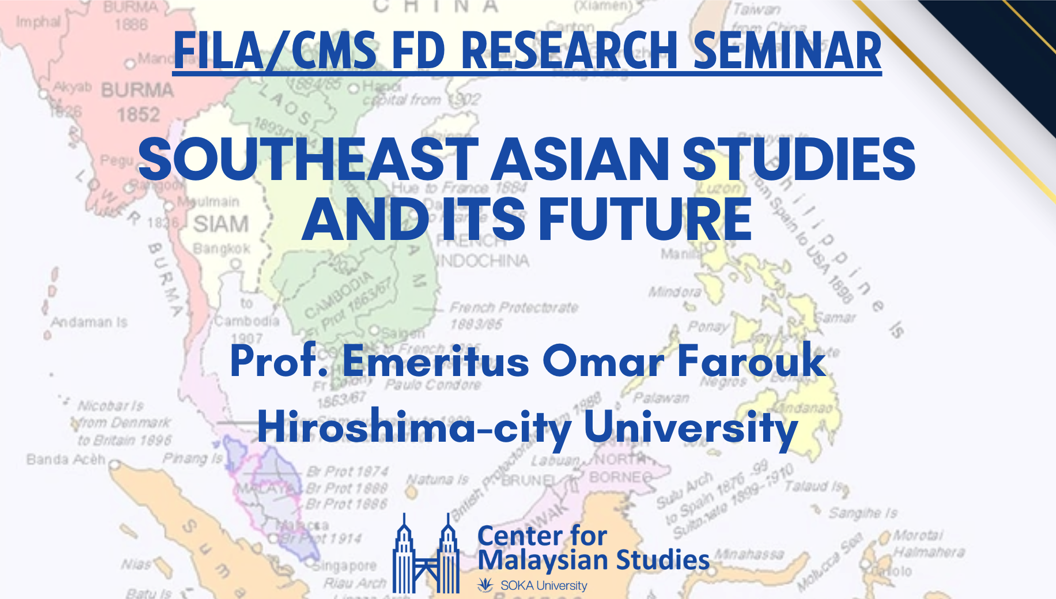
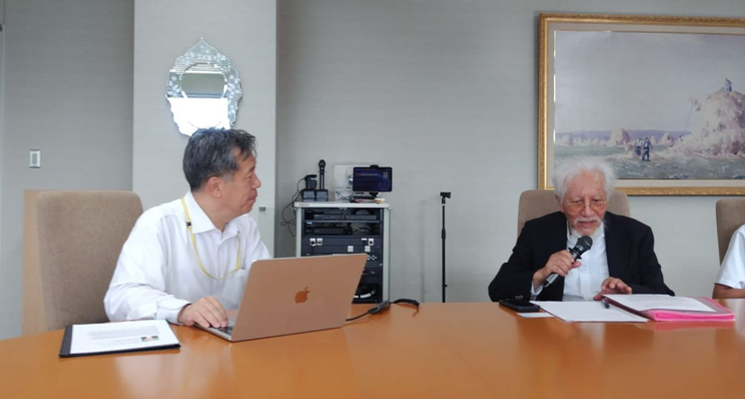
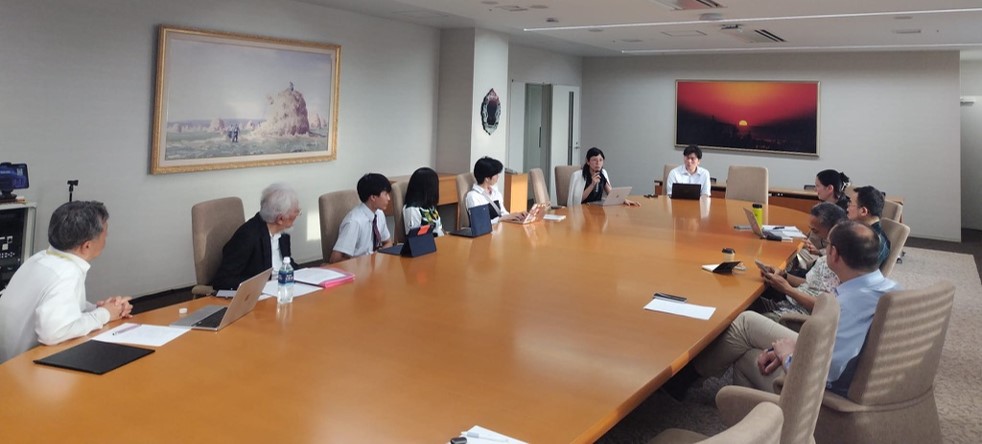
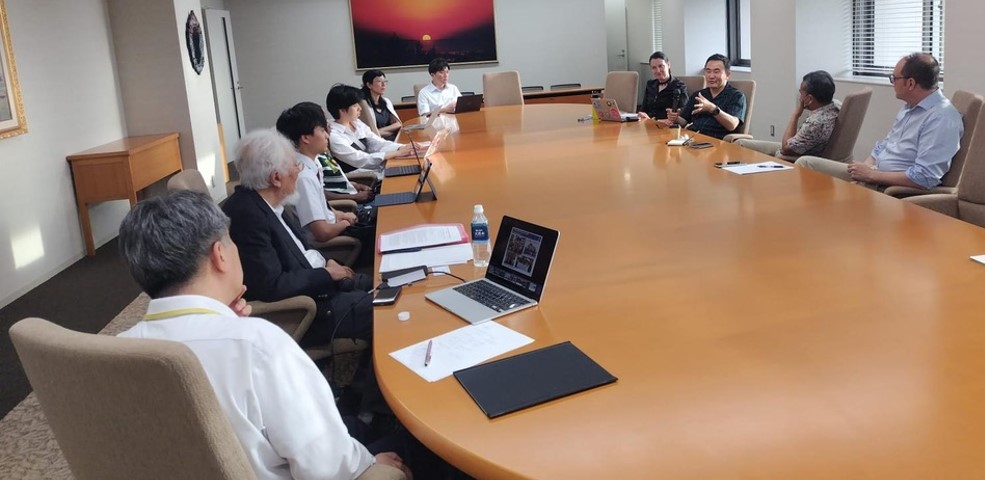
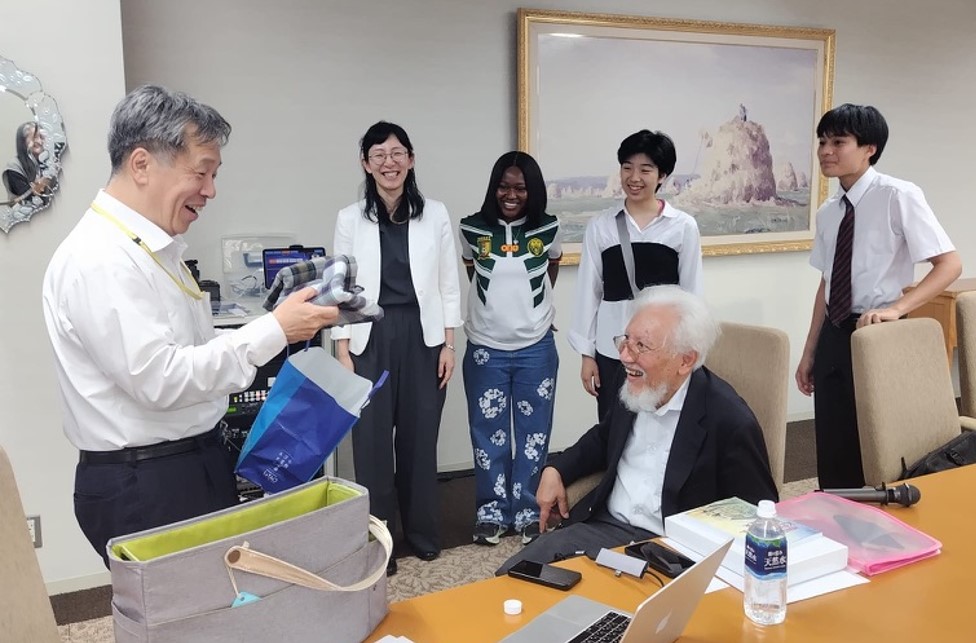
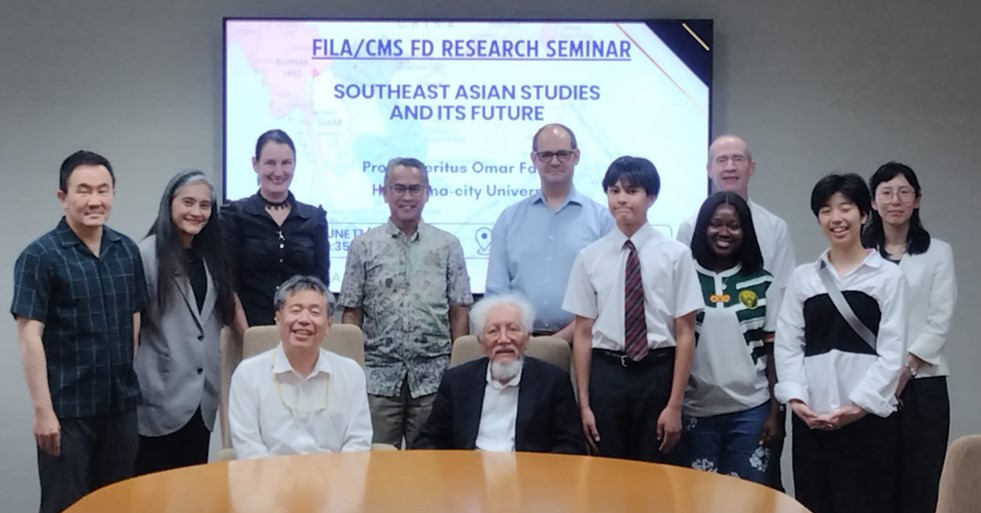
Professor Emeritus Omar Farouk of Hiroshima City University began his career as a schoolteacher in the 1960s. Since then, he has devoted almost six decades to education and research. His intellectual journey has been, in many ways, a continuous process of discovery in the field. This essay reflects on the essence of Southeast Asian Studies and the future of area studies through the experiences and insights shared by Professor Omar in his Research Seminar held on June 17, 2026.
2. Southeast Asia Is Not Merely “Geography,” but a Complex Historical and Political Phenomenon
We often understand Southeast Asia as a region consisting of eleven countries on a map. From a scholarly perspective, however, Southeast Asia is not merely a geographical space. Behind the appellation “Southeast Asia” lies a dynamic region shaped through historical and political experiences such as war and conflict, colonialism, independence, the Cold War, regional cooperation and integration.
Although Southeast Asian Studies is a relatively young academic field, it continues to evolve. The region has not been shaped simply by territorial proximity, but by the efforts of people who experienced war and conflict, overcame division, and built frameworks for cooperation and integration.
Professor Omar emphasizes the importance of seeing the eleven countries of Southeast Asia not merely as neighboring states, but as “resource partners” that can complement one another. A region once described as a “powder keg” has gradually achieved greater political and economic stability through the framework of ASEAN.
The appeal of Southeast Asian Studies, therefore, does not lie in memorizing geographical definitions. Rather, it lies in understanding how histories of war, conflict and division have been transformed into foundations for dialogue,cooperation and integration. Exploring this phenomenon is one of the true rewards of area studies.
3. A “Scholar-Centric” Approach Protects Scholarship from Ideology
How can research institutions such as Soka University’s Center for Malaysian Studies continue to produce meaningful knowledge without being absorbed into particular political or social agendas?
One answer Professor Omar offers is the importance of a “scholar-centric” approach.
In contemporary society, there is always a risk that scholarship may be drawn into particular ideologies. For this reason, it is essential to create an environment in which individual scholars can deepen their own research questions, stimulate one another intellectually, and engage in open discussions.
What is needed is not merely an institutional framework or structure. Rather, it is the creation of an intellectual “climate” in which researchers can speak freely, learn from one another, and refine their ideas through small seminars and workshops.
In Professor Omar’s view, if scholarly inquiry is to avoid being absorbed by ideology, the empowerment of individual scholars and scholarly communities is indispensable. Building an environment in which researchers can collaborate and deepen mutual understanding is the foundation for the sustainable development of area studies.
4. Humanizing Knowledge and Crossing Disciplinary Boundaries
“I specialize in economics, so I do not understand anthropology.” Such excessive attachment to disciplinary boundaries is one of the major obstacles facing students and researchers today. To understand the complex challenges of contemporary society, it is not enough to divide knowledge into narrow compartments.
Professor Omar emphasizes the importance of “humanizing” and “harmonizing” knowledge.
In essence, knowledge has no fixed boundaries. Economic history, anthropology, political science, sociology, religious studies and other disciplines of inquiry each have their own methods and accumulated insights. Yet to understand real societies, these disciplines must engage with one another across boundaries.
What is especially important in area studies is the question: how does this knowledge contribute to human well-being? As scholarship becomes increasingly specialized, we can easily lose sight of whom knowledge is for and what purpose it serves.
For this reason, all forms of specialized knowledge must be reoriented around the central axis of the human being and made relevant to society. Connecting knowledge to people’s lives, suffering, and hopes is one of the most important tasks of education and research today.
5. The Process of Discovery and the Passion of Fieldwork Cannot Be Replaced by AI
Today, AI tools such as ChatGPT can instantly organize and describe information on population statistics, religious distribution, and historical events. This offers great possibilities for education and research. At the same time, however, there are things that AI can never replace.
One of them is the discovery and passion that emerges when we meet people in the field, listen to their voices, and allow ourselves to be moved by their experiences.
Professor Omar repeatedly stresses the significance of discoveries made through fieldwork. For example, when discussing Muslim communities in Myanmar, the international community tends to focus primarily on the Rohingya issue. Yet on the ground, there are Muslim communities with diverse and complex histories that cannot be understood through that issue alone. Similarly, among the Akha indigenous hill peoples of northern Thailand, there are communities that have converted to Islam while maintaining their traditional ways of life.
Such realities cannot be fully grasped through data description alone. They become visible only when we visit the field, listen to people’s stories, and allow ourselves to be surprised by complexity.
Professor Omar points out that one of the weaknesses of education in the twenty-first century is its insufficient capacity to stimulate curiosity about others and awaken passion. Rather than being satisfied with the information provided by AI, we must step onto the soil of the field, face people directly, and open ourselves to unknown worlds. The passion born from this process of discovery is what drives research and, ultimately, helps transform society.
6. People as Bridges Connecting Ideas, Institutions, and Nations
The Legacy of Royal Professor Ungku Aziz
One indispensable figure in considering the spirit of Southeast Asian Studies is Royal Professor Ungku Aziz, one of Malaysia’s most distinguished intellectuals.
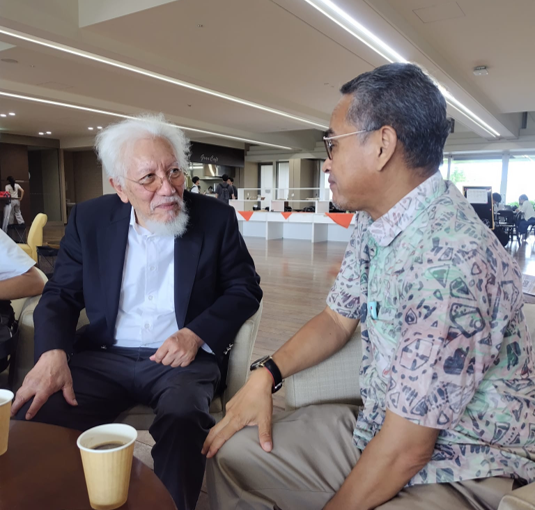
Professor Omar received direct guidance from Royal Professor Ungku Aziz, widely known as Pak Ungku, who was then Vice Chancellor of the Universiti of Malaya, during the era of Malaysia’s Look East Policy in 1982. Professor Omar also served for eight years as the Residential Master of Za’ba College of Universiti Malaya, where he is fondly remembered by generations of students as Dr Omar.
Many of his former students remain in close contact with him to this day. Over the years, Professor Omar has had the privilege of witnessing their success across diverse fields, including government, diplomacy, academia, medicine, business and public service. Among them are ministers, Members of Parliament, ambassadors, senior government officials, distinguished academics and leading professionals, including a renowned cardiothoracic surgeon who has provided medical care to Tun Dr. Mahathir Mohamad. Professor Omar’s former students have gone on to make significant contributions not only in Malaysia but also on the global stage.
As an exchange student, I also resided at Za‘ba College, where I was fortunate to receive Professor Omar’s generous support and encouragement.
Ungku Aziz was not merely an intellectual. He was an institution builder who connected education, research, institutions, and human resource development. At the heart of his philosophy was a consistent commitment to investing in people.
One of his defining qualities was that he never treated individuals as mere parts of an organization. He believed in each person’s potential, entrusted them with responsibility, and encouraged their growth. This reflected his distinctive and highly personal approach.
Professor Omar observes that Ungku Aziz saw people as bridges connecting ideas, institutions, and nations. By investing in individuals, he enabled them to create new relationships and institutions. This human-centered approach nurtured many leaders and became a foundation for cooperation between Japan and Malaysia, as well as for wider collaboration across Southeast Asia and beyond.
7. Conclusion: Area Studies as a Hope for Peace
Southeast Asian Studies is not merely an object of academic curiosity. It is an essential intellectual endeavor for preventing war and conflict, deepening mutual understanding, and creating the conditions for peace.
“Knowledge helps understanding, and understanding creates the conditions for peace.” These words of Professor Omar resonate with particular force in today’s world, where division and confrontation continue to prevail.
Southeast Asia has borne the historical burdens of war and conflict, yet it has continued to seek dialogue, the sharing of moral values, and regional cooperation and integration. In doing so, the region offers a powerful example of “hope against all odds.”
Finally, I would like to pose a question to our students: behind the digital data you encounter, might there not be human stories that have yet to be fully told?
The journey to discover those stories has already begun. What is needed is curiosity to take the first step and the passion to learn from others. As long as that passion remains alive, Southeast Asian Studies will continue to be a gateway to understanding the world more deeply and more richly.
Soka University Faculty of International Liberal Arts SNS【Instagram / X】
We are posting information about an introduction of current and alumni students, events, and much more about the FILA on Instagram and X!


