

Department's Highlights
Key Learning Points
An overview of the Department of Green Technology's Key Learning Points
Sustainable Technologies Development and Social Implementation
=Perfect for those who are interested in=
◎Actively seeking for sustainable solution for the earth
◎Pioneering the Next Generation Environmental Business
◎Engineering solutions for real-world application
Engage in research from Year 1 & build practical skills in the lab.
=Perfect for those who are interested in=
◎Early Access to hands-on lab and practicals
◎Conducting research on marine or agricultural related fields
◎Mastering the use of robotics and AI related technologies
Learning beyond border by joining training and internship overseas
=Perfect for those who are interested in=
◎Building your career in leading global corporation
◎Contributing to technology advancement of developing nations
◎Equipping yourself with practical English skills
Pillars of Study
Introducing 4 pillars of study in Department of Green Technology
Earth Environment Science and Technology
- Shaping a sustainable future through discovering solutions to various environmental challenges -
Modern society faces environmental challenges of varying scales, from local issues to global climate change. To tackle these problems, students will master the knowledge and techniques required to realize a sustainable future, utilizing cutting-edge technology alongside logical and practical approaches.
Resource Circulation Science & Technology
- Promoting the efficient use of limited resources to shift from a linear, waste-based model to a circular, resource-recycling society -
Much of the waste generated by human activities can be converted into valuable materials through appropriate and advanced engineering. As the world shifts from a linear to a circular economy, students will acquire the knowledge and skills necessary to lead the transition from a waste-based model into a resource-circulating society.
Environmental Information Processing
- Building a sustainable future by leveraging environmental data-
Quantitative and qualitative analysis of Big Data has made it possible to accurately monitor the current state of the global environment. Furthermore, information systems utilizing this data are driving Green Transformation (GX) in society. By learning advanced information processing technologies, students will develop the value creation ability to drive GX and build a sustainable future.
Green Technology Social Implementation
- Global Business for Global Citizen -
~ Creating a sustainable world with Green Technology~
When enterprises conduct business globally, they will come across complex economic, environmental and social challenges. To overcome these barriers, students will develop the essential qualities of a global citizen required by mastering both the social implementation of green technology and practical knowledge of international business.
Course Highlights
Let's take a look on some courses that you will learn in Green Technology!
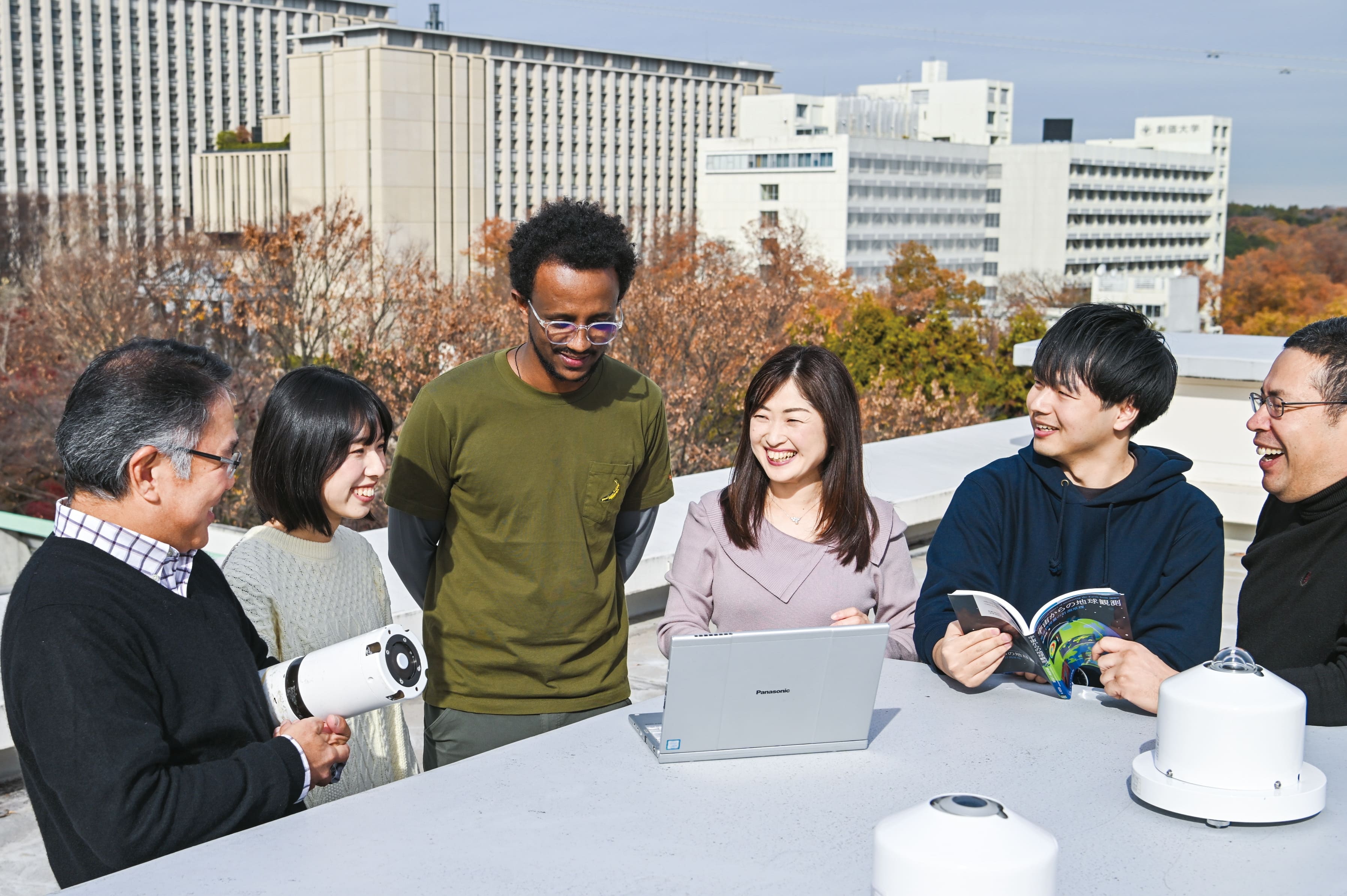
Explore sustainable solutions for our planet through Earth Observation Technology!

|Pickup01|Earth Observation Technology
KHATRI Pradeep (Associate Professor), Victor KUWAHARA (Professor), KAMEDA Tae (Professor)
“Earth Observation Technology” enables a global-scale understanding of Earth’s land, atmosphere, hydrosphere, and ecosystems. How do human activities impact the Earth’s environment, and what can be done to promote sustainability? This course covers the collection, organization, and analysis of Earth observation data—the foundation for exploring these questions—along with the mechanisms and cutting-edge remote sensing technologies and their societal applications. Through analyzing raw data, students will deepen their understanding of the Earth’s current state and consider solutions for environmental issues and the development of a circular society.
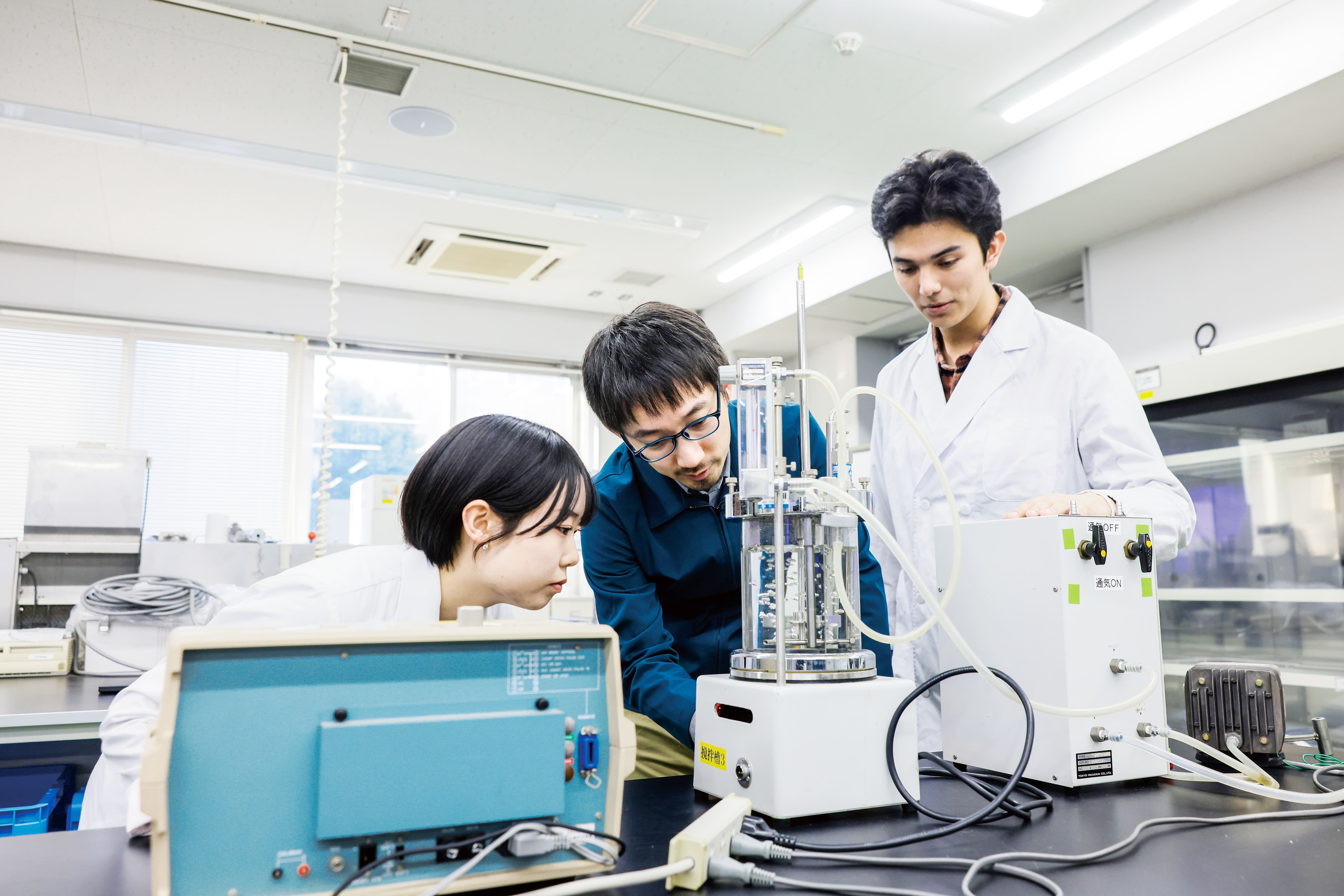
Utilizing Microorganism & IoT for water purification

|Pickup02|Water Treatment Engineering Experiments
IDA Junichi (Professor), AKIZUKI Shinichi (Associate Professor)
In “Water Treatment Engineering Laboratory”, through hands-on experience student will learn how to clean polluted water utilizing ability of microorganism. This course covers wastewater treatment using activated sludge method which is widely adopted in both Japan and globally as well as water quality analysis of components related to water pollution such as organic matter, nitrogen, and phosphorus. Experiment data is efficiently monitored using IoT technology. Through practical experiments, student will gain a deeper understanding of actual water purification processes and scientific analysis methods, learning technologies that contribute to environmental conservation.
Explore the forefront of Global Business

|Pickup03|Introduction to International Business
AONO Kensaku (Associate Professor)
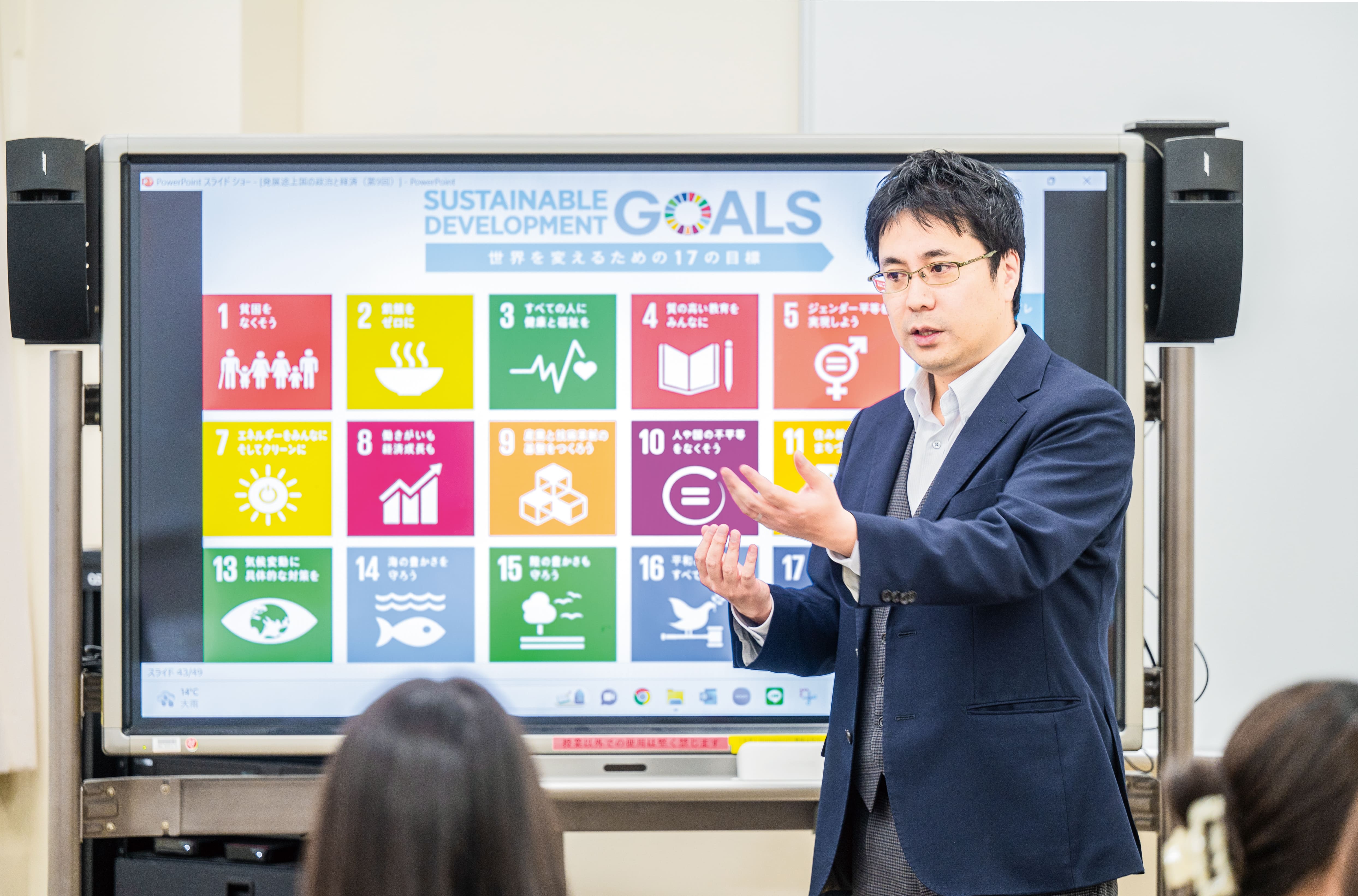
When enterprises conduct business globally, they will come across diverse cultures, such as differences in laws, languages, races, ethnicities, and business customs. Hence, practical understanding of business rules and challenges on the ground is essential. This course will equip students with the expertise to drive the social implementation of green technologies. Student will also gain a profound understanding of key areas for international business success, including entrepreneurship, leadership, SDGs, global business etiquette, and environmental issues and more.
Step Up Program
Programs designed to fuel your passion
Green Technology Research Experience
Kickstart your research journey since Year 1 in your area of interest
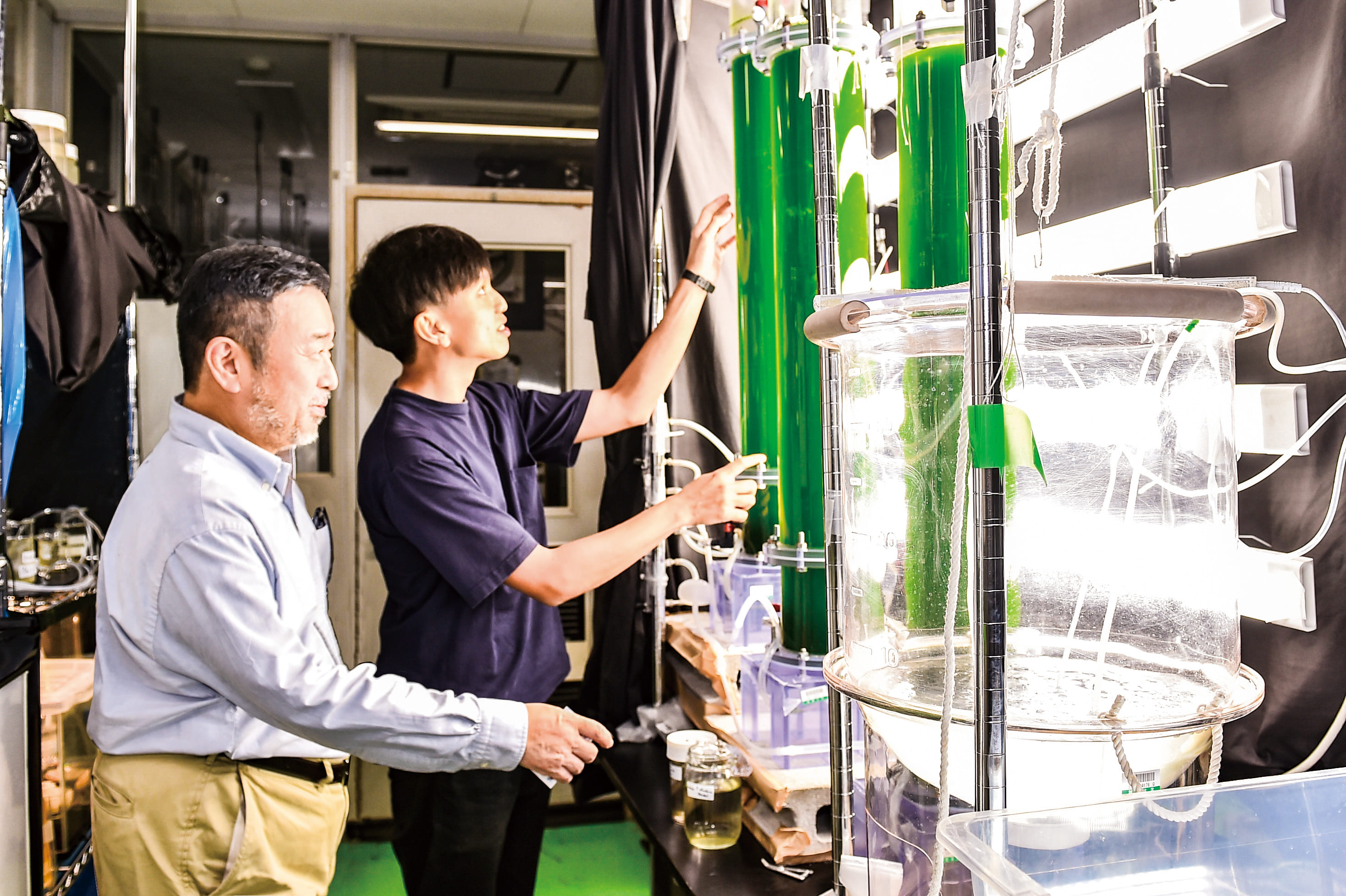
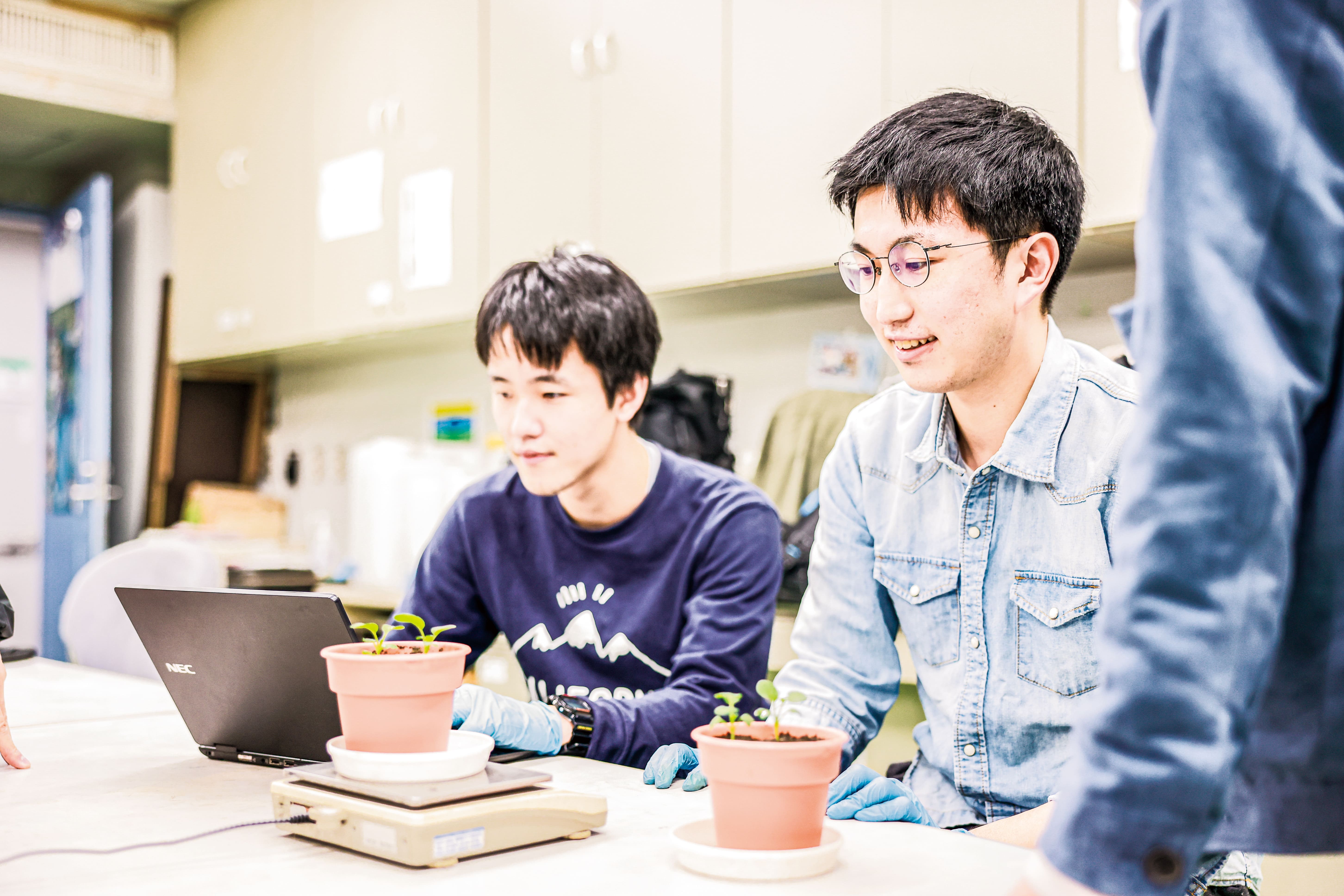
During Year 1 fall semester and Year 2 spring semester, student will be divided into groups of 5 ~ 6 to tackle various research theme decided by instructors respectively. Through the experiment, students will discover the area of interest which is most suitable for themselves.
Green Technology Overseas Training
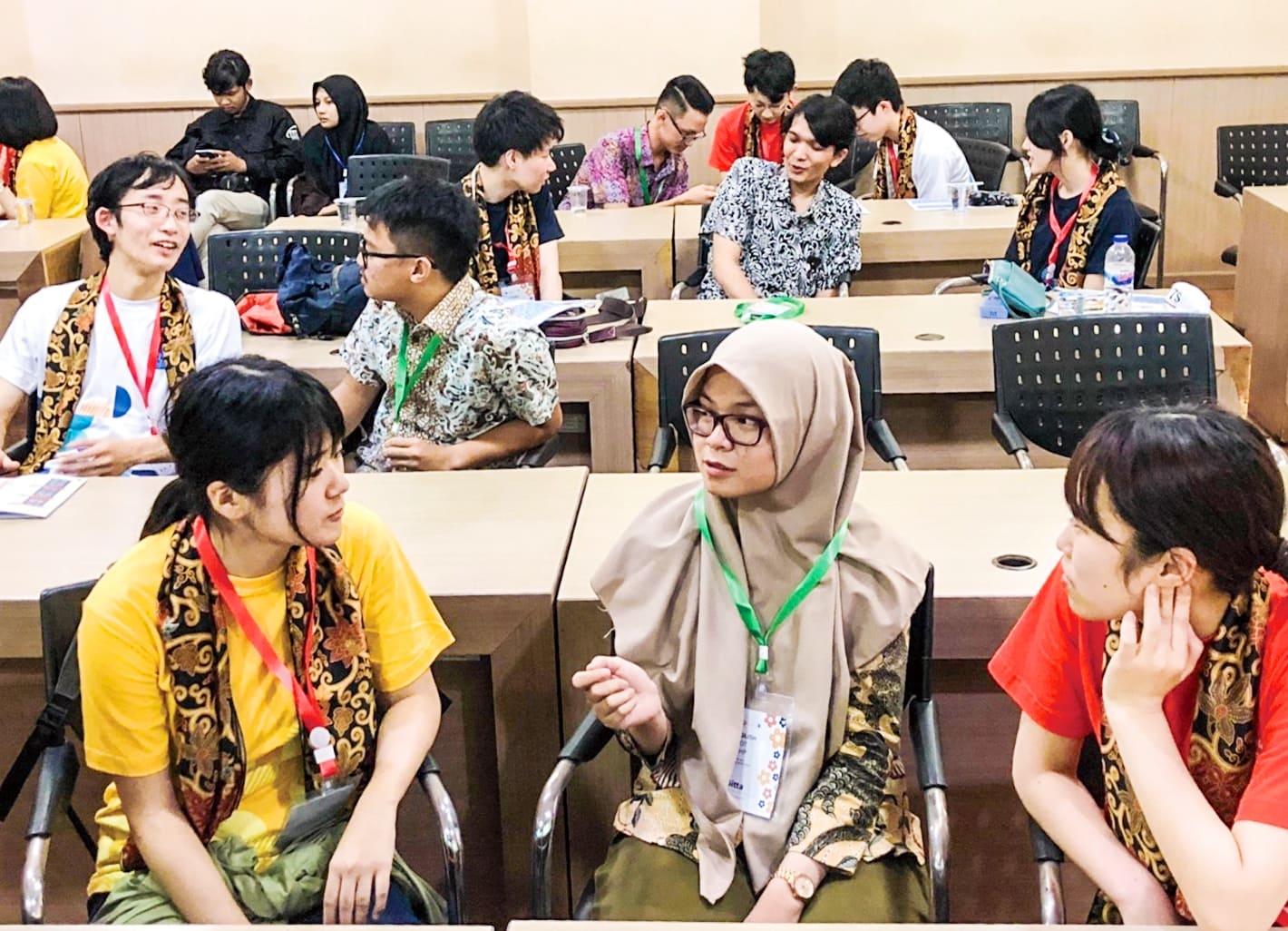
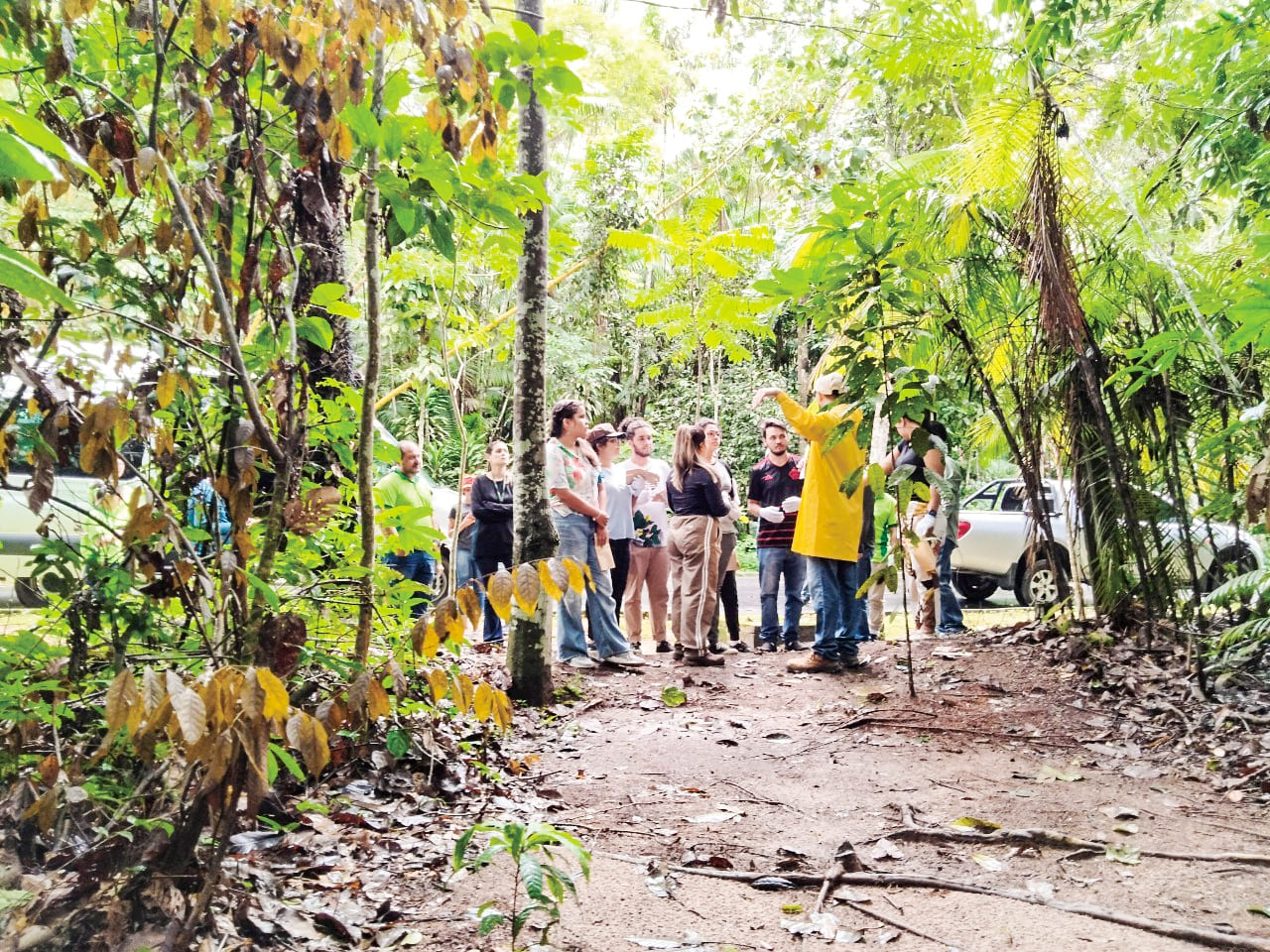
Green Technology on field training
in Malaysia and Brazil
By engaging in preliminary studies at the university and participating in approximately two weeks of overseas training, students gain practical experience with real-world applications of technologies they have learned in Environmental and Earth Sciences, Resource Recycling Engineering, and Environmental Information Processing Engineering—such as renewable energy, energy conservation, resource recycling, and information processing. This is achieved through hands-on training at overseas companies, universities, and field sites.