

Presentation of GCE and SDGs Promotion Efforts at the ANGEL Conference 2026 at The University of Bologna
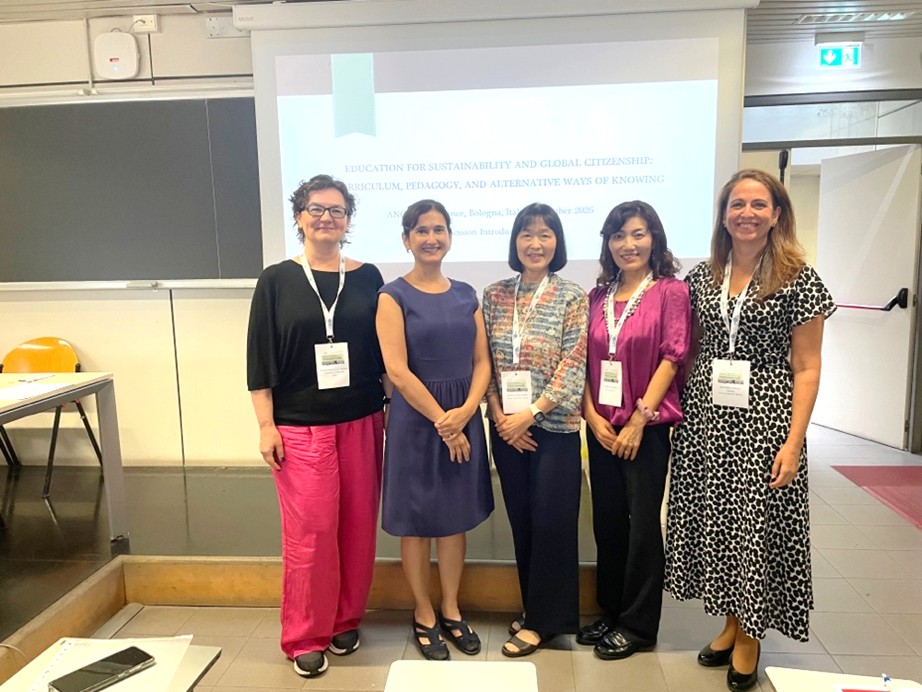
The ANGEL Conference 2026 in Bolgna, Italy
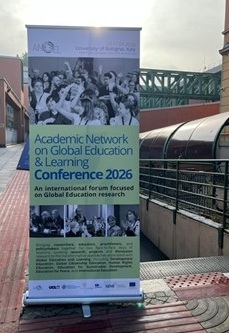
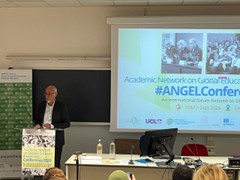
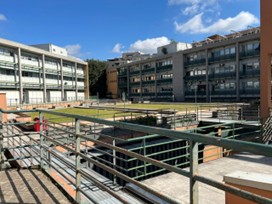
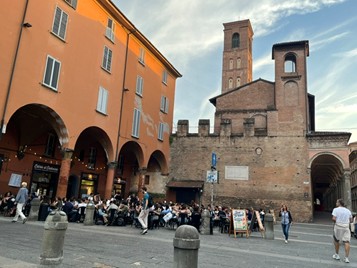
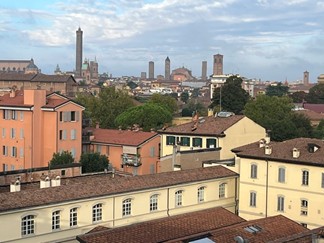
From September 10~11, 2026, the Academic Network of Global Education and Learning (ANGEL) held the ANGEL Conference 2026 at The University of Bologna in Italy.
Around 200 conference participants from all parts of the world, including researchers, educational practitioners, and policy stakeholders, gathered to discuss the state of global citizenship education and sustainable education, and practical methods, covering cutting-edge research and case studies on the themes of peace, human rights, environmental justice, and sustainability.
Soka University Presentation on the Mainstreaming of SDGs and UNESCO Aid Initiatives
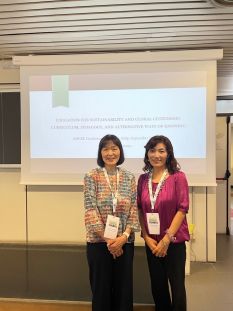
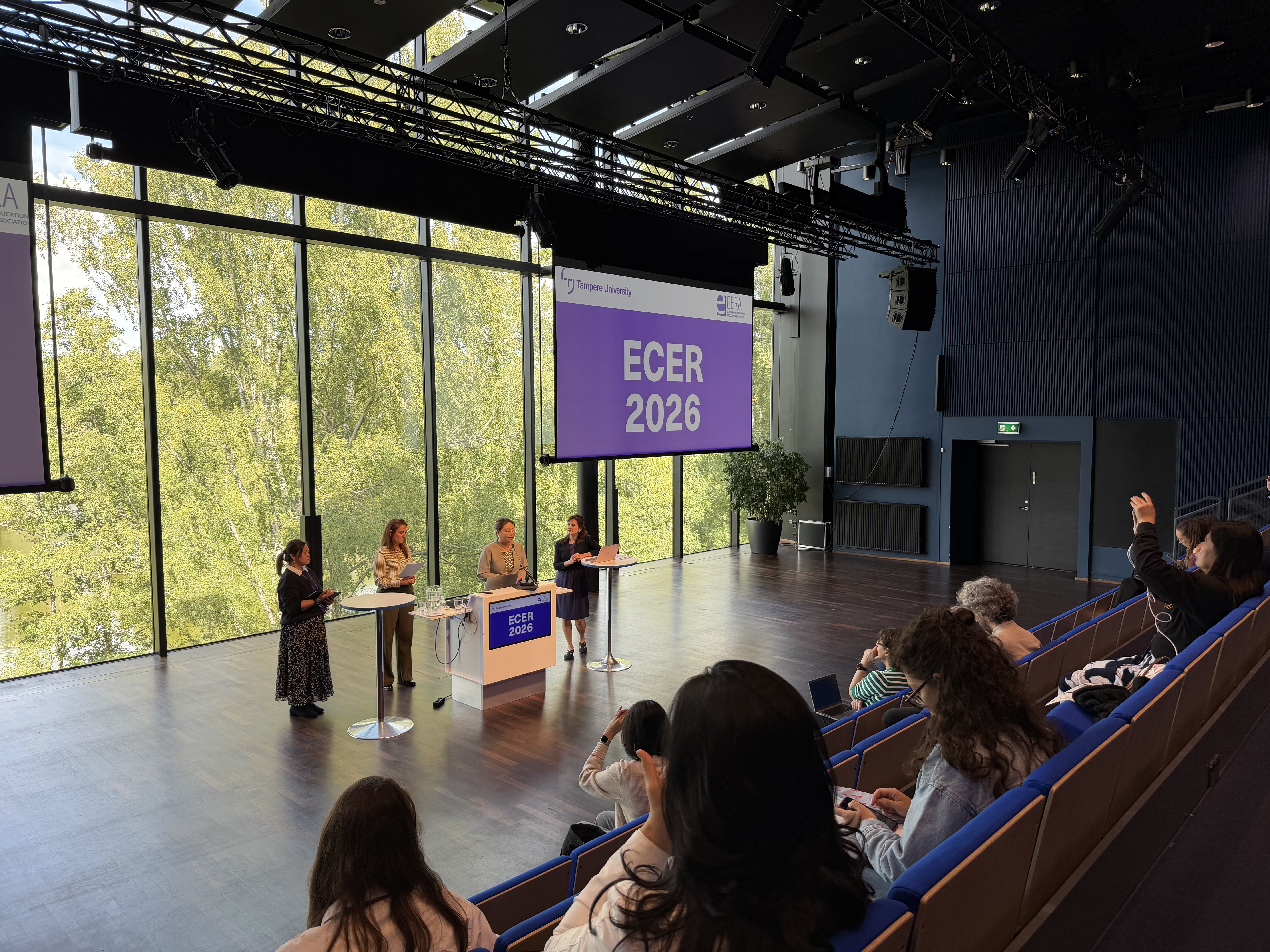
On behalf of Soka University, the Deputy Director of Ikeda Research Institute for Soka Education, Prof. Hiroko Tomioka (Faculty of Education) and, the Director of SDGs Promotion Center, Prof. Kakegawa Michiyo (Faculty of Economics and Business Administration) presented at the “Education for Sustainability and Global Citizenship: Curriculum, Pedagogy, and Alternative Ways of Knowing” symposium on the first day of the conference (Chair: Dr. Namrata Sharma from The State University of New York). The theme of the presentation was “An Ethical Framework for Supporting UNESCO Schools and Advancing the SDGs: The Case of Soka University.”
Prof. Kakegawa, Director of SDG Promotion Center
Based on Soka University’s philosophy of “value-creating education,” Prof. Kakegawa reported on the promotional structure of the SDGs Promotion Center, which consists of faculty, staff, and students. She also presented on the Soka University Grand Design (2021-2030) project, which consists of SDGs as one of its strategic pillars, and the process by which the SDGs have been mainstreamed across the university through this governance. In addition, she explained the significance and outcomes of Soka education as an educational foundation that nurtures "ethical and humanistic capacities" that go beyond mere knowledge acquisition, and shared the university's achievement of ranking first in Japan for SDG 4 (Quality Education) in the "THE Sustainability Impact Ratings 2026."
Prof. Tomioka, Deputy Director of Ikeda Research Institute for Soka Education
Prof. Tomioka described the ways in which the university's philosophy and systems connect to educational practice, introducing UNESCO school support activities since 2018, the university's official accession as a UNESCO school in 2025, and student-led ESD classes at local elementary schools and activities related to biodiversity. She also presented a model that views these not as isolated efforts but as an institutional ecosystem, in which philosophy, systems, student engagement, and community partnerships are mutually interconnected.
Lively Q&A with its Diverse Audience
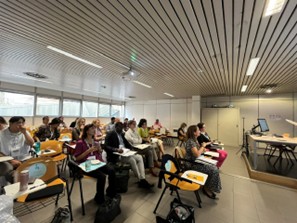
An in-depth exchange of views was held with around 30 people, including faculty, practitioners from NPOs, and policy stakeholders.
In response to the question, “Value in value creation and diverse values of society are understood to be different, so what is meant by value-creating education at Soka University?”, the presenters explained that value-creating education is not about instilling specific values. It emphasizes drawing out each student's full potential and how they can put it to use as value in relation to others and society.
In response to the question, “How can we return what we have learned and turn it into a force for social change?”, presenters referred to one of the Soka University Guidelines that Dr. Ikeda posed to his students: “For what purpose should one cultivate wisdom? May you always ask yourself this question!” As one example, they introduced a case in which students from the Faculty of Science and Engineering worked with a local company to convert rice flour left over from sake brewing into bread and brownies, contributing to food waste reduction, demonstrating the potential of problem-solving through collaboration between the university and the community.
Overall Symposium Structure and its Presentation Titles
The overall structure and titles of the symposium were as follows:
- Introduction of the objectives and agenda of the symposium by the chair
- “Value Creation and Educators’ Agency in a Time of Poly-crisis: Insights from a Master’s Programme in Educational Innovation,” Prof. Ana B. García-Varela, University of Alcalá (Spain)
- “An Ethical Framework for Supporting UNESCO Schools and Advancing the SDGs: The Case of Soka University,” Presenters: Prof. Hiroko Tomioka and Prof. Michiyo Kakegawa, Soka University
- “Addressing Education for Sustainability and Global Citizenship (A Paradigm Shift),” Presenter: Dr. Namrata Sharma, the State University of New York(U.S.A.)
- Commentary: Assistant Prof. Magdalena Kuleta-Hulboj, University of Warsaw (Poland)
- Open Q&A and Discussion
Soka University Presenters’ Reflections
They reflected that, "throughout the conference, we saw how international research and discussion are advancing, reframing sustainability and global citizenship education not merely as the acquisition of knowledge and competencies (abilities and practical skills), but from ethical and value-based dimensions such as responsibility as global citizens, a sense of justice, human rights, peace, and historical responsibility, and are putting this into practice. This perspective is deeply aligned with the principles of Soka education and value-creating education that our university has promoted, and it was an opportunity to recognize the forward-looking nature of Soka education. Drawing on the insights gained and the networks built with diverse participants, we will further develop our future research and international educational activities.”